


 Join on WhatsApp
  Join on Telegram
 During Ramadan, Muslims all over the world unite in the daily ritual of fasting from dawn to dusk. Through this blessed month, it is important for Muslims to follow a healthy diet that will provide energy and nourishment throughout the day and avert health problems.
In the most sacred month of the Islamic year, Muslims cleanse their bodies from toxins and become closer to God by other acts of worship such as prayer, reading the Qur’an, and charity.
People often break their fast with massive feasts rich in a variety of dishes, sweets, and fried food, leading to an increase in cholesterol, and perhaps diabetes and weight gain—the opposite of what fasting is about.
Instead, Muslims should start seven simple habits during Ramadan to have a healthier lifestyle.
Breaking the fast with dates
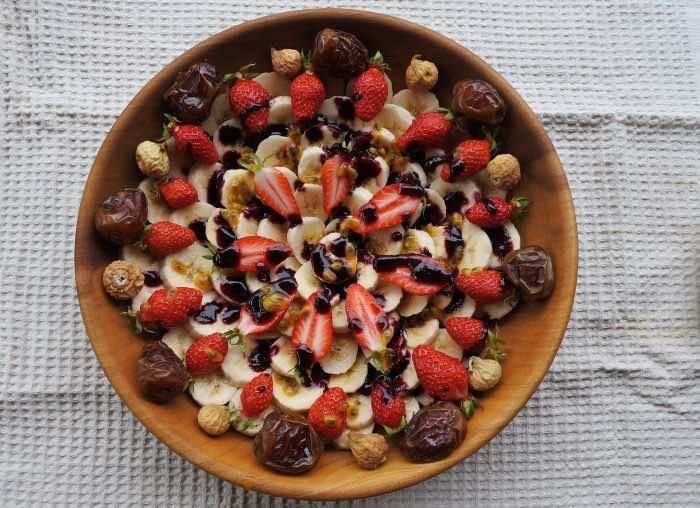
Muslims around the world follow a religious tradition of serving dates at their Ramadan iftar table, with many making it a point to actually break their fast with them.
Dates are an ideal and healthy choice for an empty stomach. They are high in sugar, fiber, minerals, phytonutrients, and vitamin C. They also contain potassium, magnesium, iron, and small amounts of protein and fat.
You can also try putting color into your iftar by making Moroccan recipes that include dates in them such as Moroccan stuffed dates or makrout with dates and honey.
You could also try other dried fruits such as apricots, figs, raisins, or prunes, which also provide fiber and nutrients.
Eat mindfully
It might be tempting to eat as much as you can to make up for not eating all day, but you must slow down and think about your eating habits.
Overeating will leave you feeling very unpleasant after your iftar, and it might cause other health problems.
When iftar comes around, try eating mindfully by taking smaller bites of food and chewing thoroughly. That way you will enjoy your meal, and it will be easier for your digestive system to digest the food you consume.
During Ramadan, make a habit of eating healthy food that is rich in fiber, protein, and complex carbohydrates such as lentils, grains, dates, whole wheat, eggs, yoghurt, meat, vegetables, and fruits. These foods will help refill your energy throughout the day.
Stay hydrated
During Ramadan, it might be challenging to drink enough water, but staying hydrated plays an important role in staying healthy during the holy month.
Not drinking water can actually be dangerous because of the serious health risks that come with dehydration.
Luckily, dehydration during Ramadan is easy to combat just by adapting to healthier habits in your iftar routine.
Keep a bottle of water close by during the evening and try to drink a cup or two at least every hour. Avoid caffeine; if you are craving tea or a cup of coffee try replacing them with fruity drinks, especially fruits that are high in water such as cucumbers, apples, watermelon, and berries.
Limit fried, sugary, and processed food
Many people find fried and processed foods delicious and tend to serve them at the iftar table or suhoor. Yet these foods tend to be high in calories and trans fat, so eating a lot of them can have negative effects on your health.
The connection between eating fried, sugary, or processed foods and obesity and heart disease is well known.
Ramadan is the perfect opportunity to follow a healthy diet that can last throughout the year and prevent health problems.
Instead of frying potatoes, for example, you can bake or boil them and add various spices and herbs. To develop healthy habits during Ramadan, you can also replace sugary, processed food with soups, vegetable salads, dairy, or fruit.
Read also: How to Make Moroccan Harira Soup
Replace sugary dessert with fruits and vegetables
Dessert and sugary food are low in nutrients and high in calories. They can lead to obesity and other health complications if eaten daily and in big portions.
Vegetables and fruits are rich in vitamins, minerals, and fiber and provide so many nutrients in so few calories.
Fruits are great replacements for desert. They provide natural sugars for energy and fluids that will help you stay hydrated during the day. Vegetables are also high in fiber, which is great for helping you feel full and managing your blood sugar levels and weight.
There are many ways you can benefit from fruits and vegetables in iftar or suhoor meals. You can make vegetable soups, salads, smoothies, or just snack on different fruits between meals.
Participate in physical activities
Many Muslims take Ramadan as an opportunity to lose weight, or they just like to stick to their usual workout routine during the holy month.
It can be difficult to get in a full workout session while fasting. Your body will need nutrition and fluids after, which is why it is better to stick to light exercises and to participate in physical activities either right before iftar or at night.
Exercising during Ramadan can help you stay healthy and keep the blood flowing and all the bodily functions working properly.
Listen to your body while exercising, and be careful not to push yourself too hard. Eat the right meals after so your body can benefit from the exercise.
Get enough sleep
One of the most common times when sleep routines change is Ramadan. Getting enough hours of sleep at night during the holy month is a struggle for many Muslims, especially for those who continue to work or study while fasting.
Sleep deprivation can be deeply unpleasant. It upsets our natural rhythm, makes us feel fatigued and distressed, and, in extreme cases, can cause physical and mental problems.
It is crucial to sleep at least six to eight hours a day to get sufficient mental and physical rest to help you stay energetic and productive the next day.
You can try to go to sleep and wake up at the same time every day to adapt your body to a better sleeping routine.
Avoid eating processed and fast food before sleep as well as stimulants, such as coffee, fizzy drinks, and chocolate.
Read also: Sleep App: Moroccans Sleep Longer Than Egyptians, Saudis, Emiratis


