Rabat – President of the Republic of Congo Denis Sassou N’Guesso has asked for Morocco’s inclusion in the AU’s Contact Group on Libya.
A source told Morocco World News that N’Guesso, who is also the President of the AU’s High Level Committee on Libya, informed the organization’s Peace and Security Council of the committee’s decision to “integrate the kingdom of Morocco” into the contact group.
President N’Guesso’s decision acknowledges Morocco’s major role in the UN-led political process to end the Libya crisis.
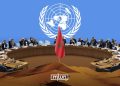
In recent months, Morocco has hosted several meetings on the Libyan crisis. The North African country has notably convened high-level delegations from Libya’s rival institutions — the Tripoli-based High Council of State and the Tobruk-based House of Representatives — around a series of roundtable discussions to agree on a roadmap to end the decade-long war in Libya .
The most recent of the meetings took place on January 22-23 in Bouznika near Rabat.
Read also: UN Chief’s Report Lists Morocco’s Initiatives to Find Solution for Libya
Rival factions from the two Libyan bodies met in Bouznika as part of the Morocco-overseen efforts to find a lasting resolution to the conflict.
After the meeting, both parties expressed “deep gratitude” to Morocco for helping pave the way toward a genuine political dialogue on the Libyan question.
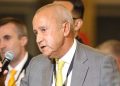
In addition to supporting the UN’s peace initiative for Libya, the Libyan official said, Morocco has tirelessly worked to promote dialogue and peace among Liban parties.
Meanwhile, the country’s efforts have not gone unnoticed in the international community. UN Secretary General Antonio Guterres recently listed Morocco among the few countries that contributed to finding a peaceful and lasting solution to the conflict in Libya.
In his report in January, Guteress noted the Morocco-moderated meetings in Morocco’s Bouznika and Tangier were of particular significance for the recent diplomatic breakthroughs on the Libyan question.
While there are still some questions about the sustainability of recent advances, many commentators agree that Rabat played a major role in the trust building phase in the inter-Libyan negotiations.
In his report, the UN chief stressed the importance of the agreements Libya’s rival factions reached in Morocco, including the agreement on the appointment of sovereign positions in accordance with the provisions of the Skhirat Agreement.
Read also: Bourita: Morocco’s Doors Always Open for All Libyans
Like Morocco, members of the AU Contact Group have been expressing concerns regarding the situation in Libya, including security threats escalations could create in neighbouring countries and in other strategic spots across the African continent.
The group has also encouraged Libyan parties to engage in peace talks in collaboration with the UN and in line with Morocco’s efforts.
The Contact Group, which the AU created in 2014, is designed to increase and coordinate African efforts toward promoting a political, lasting resolution to end Libyan crisis. Its members include South Africa, Egypt, Algeria and Chad.
The contact group is also composed of representatives from the UN, AU, EU, and North African states.