 Join on WhatsApp
 Join on Telegram
Rabat – A passionate debate was ignited this week on social media by Moroccan netizens, over rumors that children of deceased female civil servants do not receive their mother’s retirement pensions, as opposed to male parents.
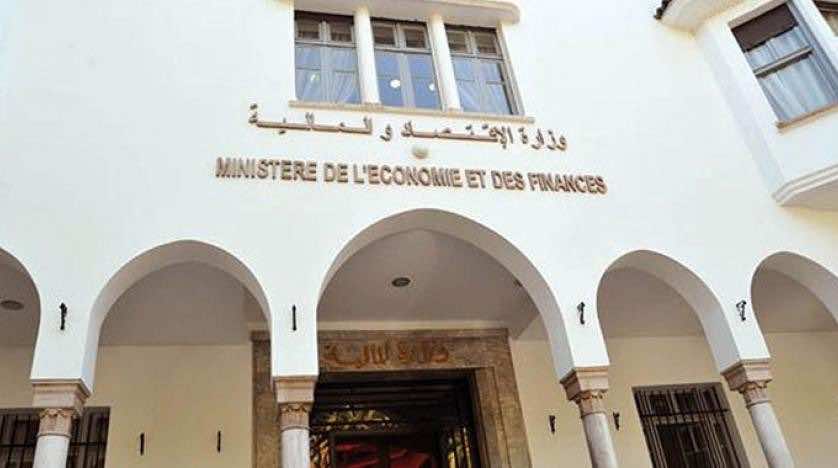
The Ministry of Economy, Finance and Administration clarified on Thursday that rightful claimants do inherit their deceased parent’s retirement pension, denying the existence of any discriminatory measure against women on this issue.
“The provisions of Law No. 011.71 establishing the civil pension system does not exclude women on the matter of their beneficiaries, be it their orphaned children, husbands and parents to their retirement pension,” said the Ministry.
The ministry clarified that orphans receive 50% of their deceased mother’s retirement pension from the date of her death.
The benefit will increase to 100% in the absence of a spouse and/or second parent.
The ministerial statement came after an MP of the Authenticity and Modernity (PAM) in the House of Representative initiated clarification on the matter on Monday.
The ministry also specified that the legislation covers all women working in the public sector, and does not exclude any profession, as was rumoured on social media.
Gender equality is a recurrent issue both on the Moroccan virtual sphere, as well as within the parliament’s walls.
Today, 24% of the Moroccan workforce is made up of women, 44% of which are in the public sector, with 22% of elected offices held by women.
Active Moroccan women are still paid less than men for the same jobs, and are rarely appointed to managerial and leadership positions, while also being virtually absent from certain sectors of activity.
Despite the variety of initiatives launched on the national level that aim to reduce inequalities, women still make up a small portion of the Moroccan workforce.
Indeed, while women represent 37% of the civilian servants and are on average more educated than their male colleagues, they do not reach high positions of responsibility for informal, obscure, and unknown reasons.
In the public sector, the low level of representation of women civil servants in high positions can be explained by the “glass ceiling” theory, quite prevalent in the Moroccan administration.
Many citizens, workers, and politicians are constantly trying to highlight discriminations and sexism that Moroccan women experience on a daily basis, either through discriminatory legislation, or outdated social norms.
Gender equality in Morocco is a constitutional right, the enforcement of which often gets lost in the midst of frequent filibusters.
Yet, Morocco has been committed for a decade to institutionalize gender equality. With the rise of young Moroccan women becoming increasingly more career oriented, these rates along with the slow progress made in the issue of women’s rights and gender equality are bound to improve.