 Join on WhatsApp
 Join on Telegram
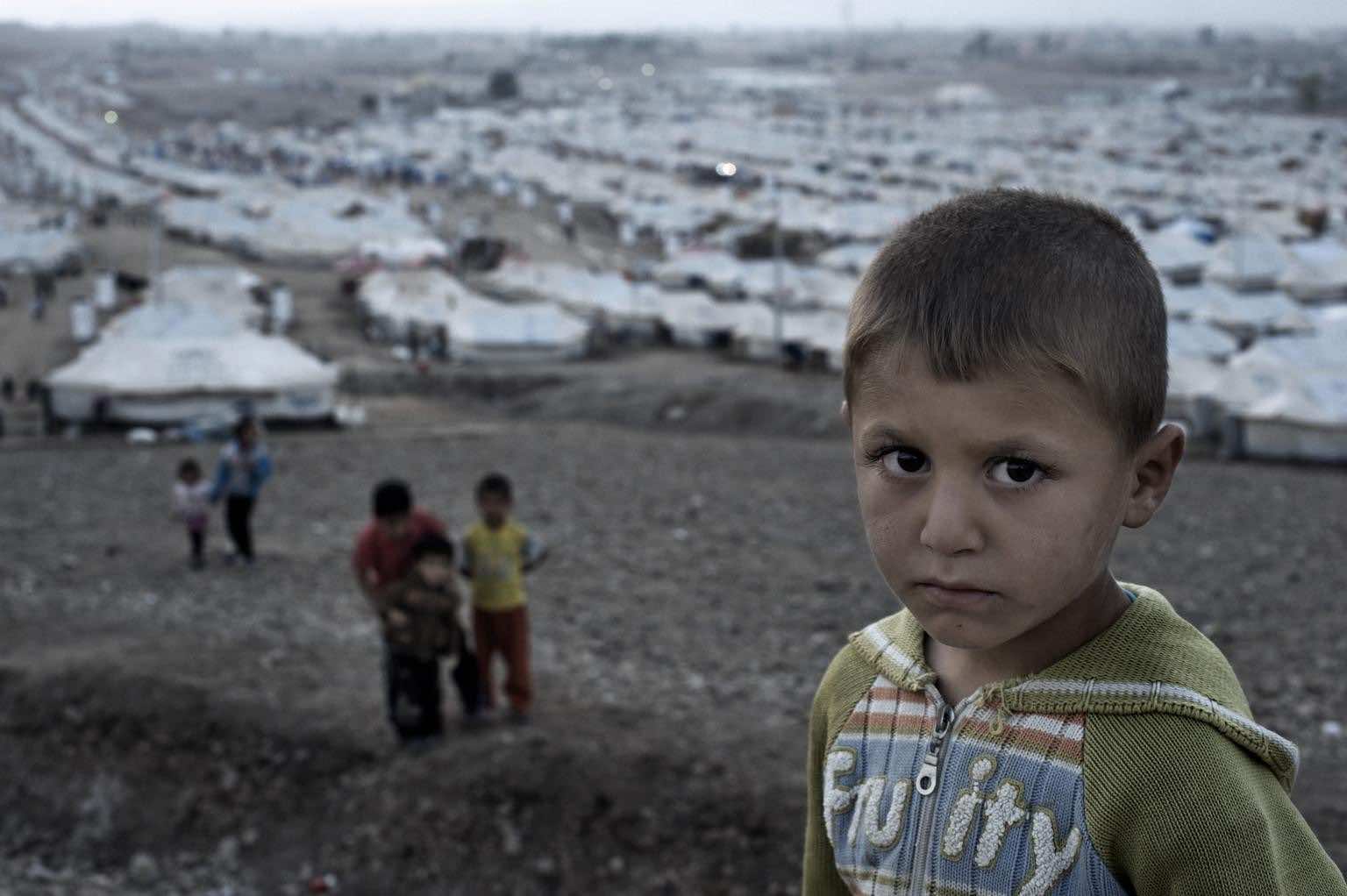
Rabat – The United Nations Children’s Fund (UNICEF) is warning of an ongoing unprecedented refugee crisis among children. The UN’s agency for the protection of children has published a new report titled “Uncertain Pathways,” detailing the unparalleled number of girls and boys who have been forcibly displaced from their homes.
Every day 41,000 children are displaced across the world, amounting to 15 million new internal and international refugees each year, UNICEF highlights in its press release. Never before have so many children been forced to leave their homes, according to the agency.
“Close to 60 million girls and boys have migrated across borders or been forcibly displaced within their own countries,” explained Verena Knaus, Global Lead for UNICEF Migration and Displacement. Speaking at the new report’s launch in Geneva, Knaus emphasized that current numbers have jumped by nearly 10 million since 2015.
The new UNICEF report details the vastly different experience depending on gender. “Gender skews certain migration routes and experiences,” Knaus stated, adding that in 2020, “nine in ten unaccompanied children seeking asylum in Europe were boys.” While many of the EU’s unaccompanied minors come from Morocco, data indicate that the majority originate primarily from warzones in Afghanistan and Syria.
The disparity in gender means that for many girls, becoming a refugee is often more dangerous than staying in a war zone. “Where are the Afghan girls?” Knaus pondered, adding “where and how can Afghan girls seek international protection, today and in the future?”
Knaus highlighted that traditional gender roles meant boys were often motivated to migrate in order to provide for their families. “Boys are often expected to assume the role of bread winner, while girls may migrate as a strategy to delay early marriage or conflict-related sexual violence.”
Once girls become refugees, they face gender discrimination even in refugee camps. “In camp settings, girls are 2.5 times more likely to be out of school than boys,” Knaus explained.
The new UNICEF report calls on governments to address what it describes as “blind spots,” by ensuring better coordination and investment that takes into account the vast gender gap. UNICEF laments a “one-size-fits-all” approach when dealing with refugees and calls for a response that is not just “gender responsive” but instead becomes “gender transformative.”