 Join on WhatsApp
 Join on Telegram
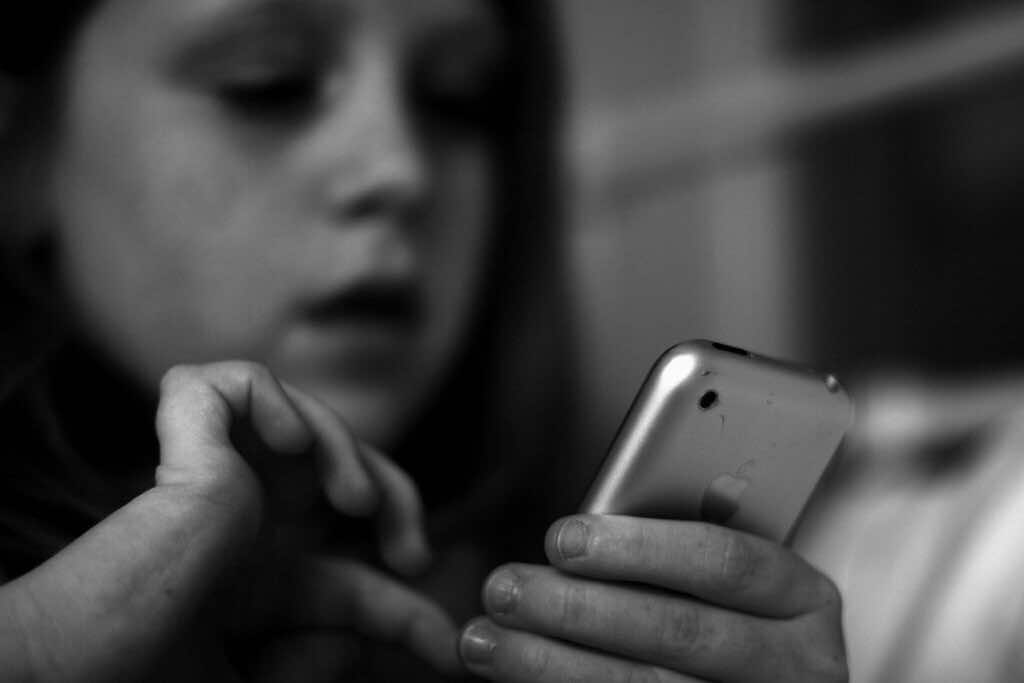
Rabat – In Morocco, 9 out of 10 children use a smartphone, 68% of them have their own device while 78% of Moroccan parents are not sufficiently informed on means to protect their children from online dangers.
The international cybersecurity company Kaspersky and research firm Immersion conducted a survey to study parents’ perception of their children’s online activities and their ability to assist them in safely using the internet.
The survey was conducted on a sample of 1,131 parents, 58% of them have a child enrolled in primary school, 27% in middle school and 15% in high school.
The data collected reveals that 60% of parents said they do not trust their child in using digital devices and having full access to online content.
As the age of children’s first encounter with the internet is getting younger, Gen Z is more exposed to online threats, with 3% of parents believing that their child has faced cyberbullying before.
Meanwhile, 10% of them have already been summoned to school because their child themselves participated in the cyberbullying of another child on social networks, Kaspersky noted.
According to UNESCO, one in three children would have received messages of a sexual nature on social networks.
When asked about that matter, 9% of the respondents stressed that their child is regularly confronted with sexual and other shocking content online, while one in four parents admitted that their child has received similar messages online before.
The global digital entertainment industry has seen major growth, especially during the lockdown, with tiktok being on the frontline of the most used applications among the younger generation.
In the survey, 82% of Moroccan parents believe that digital entertainment takes up too much space in children’s lives, while 39% disapprove of their children’s use of TikTok.
With children becoming the top target of tech companies, 31% of parents noticed that their kids become less sociable. Meanwhile, 9 out of 10 respondents indicated that they have already been in conflict with their children due to social media, admitting that they feel the generation gap is widening due to social media platforms.
Commenting on the results, Bertrand Trastour, Managing Director of Kaspersky in France and North Africa stressed that “the gap between children and adults is exacerbated on the Internet. The fact that parents feel overwhelmed by their children’s interests, or even their digital skills, causes several problems.”
“Since the dialogue is broken between the two parties, it will always be difficult to find the right balance between limitation, prohibition and laxity,” Trastour added.
As digital security represents an essential tool to secure one’s privacy on the internet, 78% of Moroccan parents surveyed believe that they are not sufficiently informed about how to protect their children from dangers lurking online. Only just over half of them feel they can respond accordingly if their children are victims of cyberbullying.
Read Also: Moroccan Children Spend More Than 3 Hours in Front of Screens per Day, Increasing Risk of Diabetes