 Join on WhatsApp
 Join on Telegram
Tantan – Film director Jackie Spinner’s documentary “Morocco, Morocco” reveals the cultural connections between the small town of Morocco in Indiana, the United States and the North African country Morocco.
Premiered on Chicago’s PBS station WTTW on Thursday, the documentary draws on the surprising similarities between the two Moroccos “despite being thousands of miles apart.”
The documentary focuses on the children from Morocco and Morocco, “whose ideas about each other remind us that we’re all connected,” Spinner said.
The idea of the documentary saw the light when Spinner spotted the town of Morocco on a map while returning to Chicago from a vacation with her sons.
Spinner decided to make a stop and visit the owntown. Her eldest son, who was born in Morocco, told her, “this doesn’t look like Morocco.” Struck by her son’s comment, she decided to make the documentary.
The film traces the origins of how the small town of Morocco, Indiana got its name.
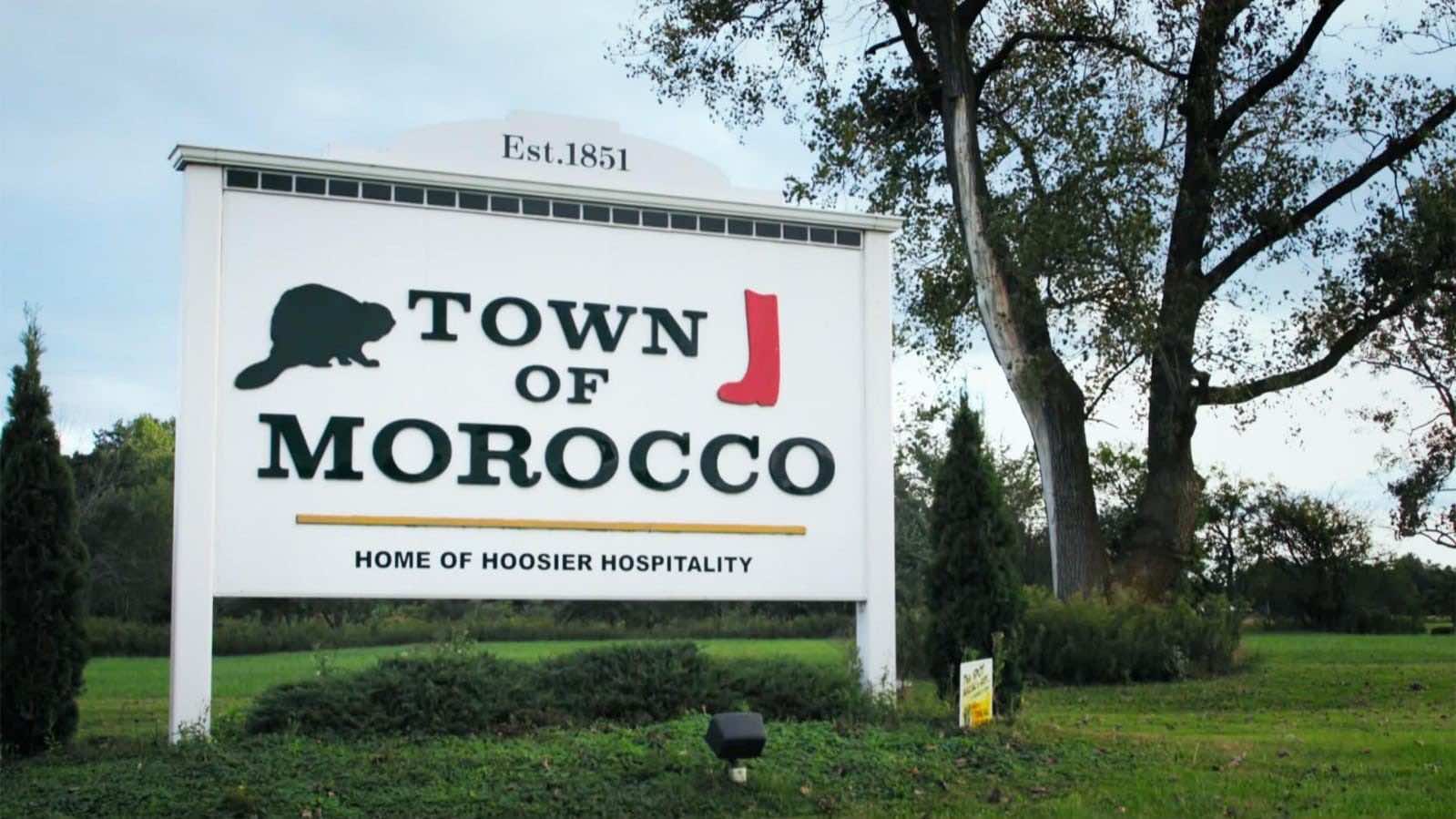
According to oral history, the origins of the name of Morocco, Indiana, dates back to 1851 when a traveler wearing red-topped Moroccan leather boots passed through while the founders were clearing property in the town.
The locals decided to ask the foreigner to suggest a name for the town and he proposed the name “Morocco.”
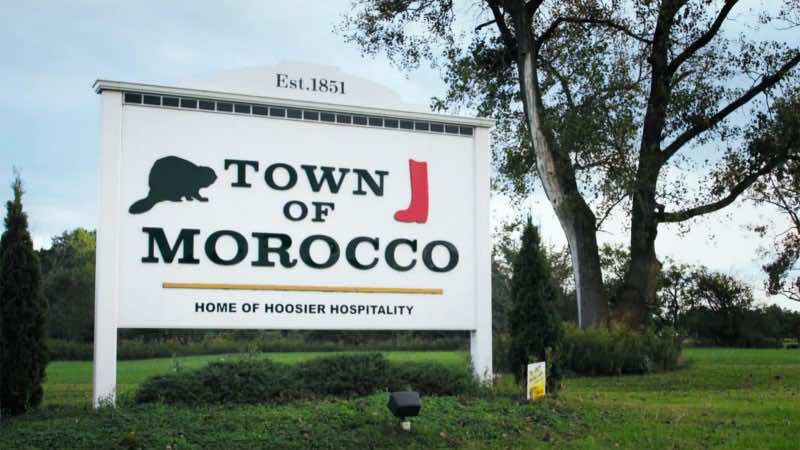
Only few people in the little farming community of Morocco, Indiana, are familiar with the North African country, Spinner said. Morocco the country “remains as mysterious to them as the man on horseback whose red boots are depicted on the welcome sign off the highway,” she explained
At the beginning of the documentary, Spinner and her team headed to Morocco, in the northwest corner of Africa, to film a leather boot maker, reminiscing the origins of the naming of the town, Morocco.
Primary school students from both Moroccos were asked to capture in a drawing what the other Morocco looks like.
Through their drawings, the students introduced interesting perspectives coupled with curiosity to learn about the other Morocco.
In order to discover what it is like to live in the American Morocco, Spinner spent some time wih the community, including the local doctor, the sheriff, a single mother who operates a coffee shop, a tattoo artist, and a farmer.
Read also: Two Moroccans on Forbes’ ‘Women Behind Middle Eastern Brands’ List