
 Join on WhatsApp
 Join on Telegram
Washington DC – The strong, instinctive reaction that the Moroccan government and people showed to Tunisia’s betrayal was commensurate with the importance that Morocco accords to its territorial integrity, especially its sovereignty over the Western Sahara region.
But now that some time has passed and emotions have calmed after the necessary and notable mobilization that followed the Tunisian president’s reception of the separatist Polisario leader, it is time to be calm and deal with this development with more balance, wisdom, and strategy.
Vilifying Tunisia harms Morocco’s long-term interests
As such, it would be in Morocco’s interest for all stakeholders involved in the Moroccan political scene to cease vilifying what the Tunisian regime did. As we share strong brotherly ties with the Tunisian people, who are the main victim of both their president’s recent constitutional coup and his betrayal of the historical Morocco-Tunisia friendship, there is no doubt that the message of Moroccans’ frustration and outrage has by now been received by those who are concerned in Tunisia.
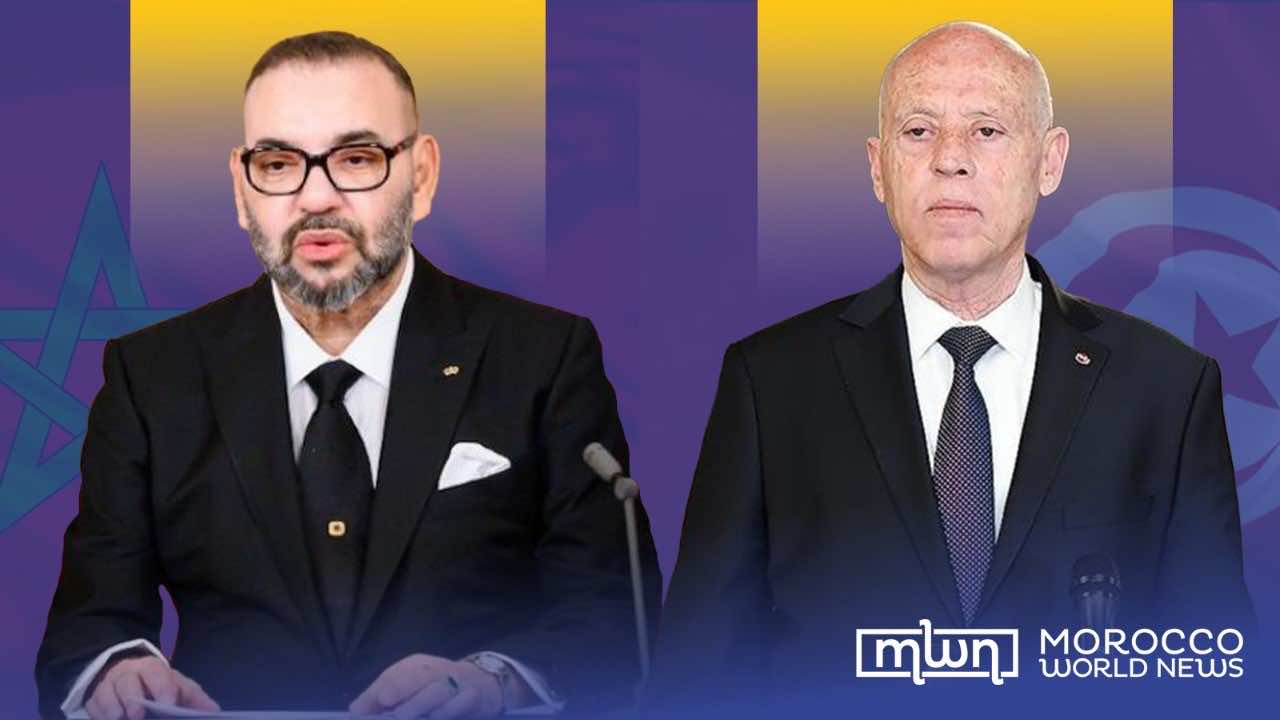
Now that many in both Morocco and Tunisia have rightly and resoundingly condemned President Kais Saied for setting a dangerous and “politically stupid” precedent in Rabat-Tunis relations, it is time to let Moroccan diplomats work silently and diligently behind the scenes to defend Morocco’s interests and safeguard the many diplomatic breakthroughs it has achieved over the past five years.
Meanwhile, Moroccan political parties must roll up their sleeves and also work toward preserving the country’s utmost strategic interests in the short, medium, and long terms. This would entail increasing communication with the Tunisian parties opposed to Kais Saied’s regime. The goal is both to stand in solidarity with them as they resist the implementation of an authoritarian agenda, and further strengthen institutional ties with them in preparation for the eventual fall of President Saied’s largely decried regime.
That the Tunisian president is facing strong opposition from parties and unions and that wide swathes of the Tunisian people are not satisfied with his brazen attempt to derail the country’s once-applauded commitment to democratic consolidation is an open secret to anyone who has been paying even fleeting attention to Tunisia’s political trajectory in recent months.
President Saied’s desperate overreach
Much has been made over the past few weeks of the US’ – and by extension Western – pressures on President Saied to refrain from implementing some of his strongman impulses, especially his power-grabbing change of Tunisia’s constitution.
Yet, equally noteworthy — and perhaps even more critical for Saied’s political longevity — have been recents signs that, having previously sponsored Saied’s purge of the Ennahda Party, the UAE and Saudi Arabia are now distancing themselves from what is increasingly becoming an embattled and desperately overreaching regime.
In the meantime, President Saied’s agenda of becoming Tunisia’s new undisputed strongman continues to meet vehement opposition from a sizable chunk of the country’s politically relevant quarters clinging to democratic change. And so, it would be hardly surprising should the Tunisian people, whose resolute desire for democratic change ended the long reign of the much more politically astute Zine El Abidine Ben Ali, rise up once again to eventually get rid of Kais Saied in the near future.
Ben Ali was in control of every aspect of Tunisia’s political and economic life by the time crowds of disgruntled and change-hungry Tunisians sealed his political fate. In comparison, the just recently elected Saied does not yet, by all available evidence, control the country as thoroughly as Ben Ali once did.
More importantly, his two years in power have been marked by a suffocating economic crisis that could push the Tunisian people to revolution at any moment, making the foundation of his regime even more fragile and vulnerable to the next massive uprising.
In its continued quest for popular legitimacy, Kais Saied’s regime might resort to using Moroccans’ criticism of its Ghali move as an instance of Moroccan interference in Tunisian affairs. In fact, President Saied has over the past few days attempted to counter the wave of criticism he has faced by depicting Morocco as an expansionist state trying to stand in the way of its neighbors’ interests. As this is the narrative the Algerian regime has been attempting to spread for the past six decades, it goes without saying that there is indeed an emerging Algiers-Tunis axis to undermine Morocco’s strategic interests.
Just a temporary setback for Moroccan diplomacy
Yet again, the continuous publication of harshly critical statements about “Tunisia’s betrayal” can antagonize the Tunisian people, with whom Moroccans should — and must — maintain historical brotherly relations. Moroccans must therefore avoid engaging in wars of words on social media, treat everything that is published with increased caution, and stay aware that the Algerian regime is behind posts that antagonize Morocco, seeking to fan the flames of conflict between the Moroccan and Tunisian peoples.
Again, Moroccans do not need to antagonize the Tunisian people. Instead, they should show Tunisians their willingness and ability to differentiate between the regime and the general Tunisian population, and that they understand their situation.
While it is very difficult for Moroccans to accept the Tunisian regime’s pro-Polisario — and therefore pro-Algeria — shift in the Maghreb’s longest running territorial and strategic dispute, they should not forget that Tunis’s stance will not substantially advance or delay anything in the ongoing, UN-led efforts to reach a politically feasible and sustainable end to the Sahara dispute. Nor can President Saied’s Ghali mishap and litany of justifications for it derail the significant diplomatic gains that Morocco has achieved in the past decade.
It is true that this Tunisian position is considered a temporary diplomatic victory for Algeria’s military regime, giving it a significant moral push, and getting it out of the diplomatic isolation it has been in for years.
It also gives the impression that Algeria has started regaining its power and regional diplomatic and political clout. But from a political and diplomatic standpoint, this position will not change the increasing prevalence of Morocco’s Western Sahara position.
Boycotting Tunisia will serve Algeria’s anti-Moroccan agenda
But, again, this does not mean that we should abandon the need to foster good relations with Tunisia, and thus present a valuable regional ally and historically friendly neighbor on a gold platter to Algeria’s regime. On the contrary, Moroccan decision makers should do everything in their power to prevent the Algerian political establishment from turning Tunisia into its strategic backyard.
While continuing to express its dissatisfaction with and disapproval of President Saied’s move though official diplomatic channels, Morocco should not end or suspend all contact with Tunisia. Not only would that not be in Morocco’s interest in the long run, it would isolate the kingdom regionally while allowing Algeria to play the regional leader role it has always dreamed of at Rabat’s expense.
As such, the challenge of Moroccan diplomats is to diligently, silently work toward preventing a repeat of President Saied’s implicit embrace of the Polisario’s stance, without causing further diplomatic fissures between Rabat and Tunis. One way to do this would be to invest in strengthening Morocco’s economic influence and weight in Tunisia.
This would serve to reiterate Morocco’s commitment to strategic partnership and friendship with Tunisia while effectively avoiding the mistake of leaving a vacuum that Algeria would keenly use to assert its regional primacy by capitalizing on its deceptive presentation of Morocco as the country standing in the way of pan-Maghrebism.
In the feverish aftermath of President Saied’s decision to host the Polisario chief, many Moroccans naturally — and understandably — demanded punitive economic measures on Tunisia, notably the exit of Attijariwafa Bank from the country and the cancelling of the free trade agreement between Morocco and Tunisia.
Such decisions would have no doubts given most Moroccans a sort of instant gratification. In cases like this, however, letting popular emotions dictate the direction of diplomacy is a recipe for disaster. If anything, any radically punitive decisions like boycotting Tunisian goods or ending all treaties and agreements with Tunis could serve the interests of Morocco’s main regional rival, especially its media’s already discernible keenness to spread the false narrative that sabotaging Tunisia’s economy is part of Morocco’s regional strategy.
And so, instead of making it easy for its rivals to misleadingly suggest that Morocco seeks to undermine Tunisian interests, Rabat should project the picture of Morocco as clinging to the Maghrebi dream of shared stability and prosperity, and as believing that Tunisia can play an instrumental role in achieving this long-standing regional aspiration. To do this, concerned parties in Morocco — notably the civil society and political parties — have to work toward raising Tunisian public awareness over the importance of the free trade Rabat-Tunis agreement, notably by showing this bilateral treaty serves Tunisian interests.
A media campaign in this regard can help Tunisians understand the importance of keeping strong relations with Morocco and push big economic actors in the country to pressure their government into refraining from any moves that jeopardize the immensely critical diplomatic and economic ties with Morocco. As for the Sahara dispute, Morocco — especially the country’s diplomats, media, and intellectuals — should spare no effort to raise awareness of the historical and socio-cultural details surrounding Morocco’s sovereignty over the Sahara, with the goal of effectively countering the deceptive Algerian narrative.
A new phase for Morocco’s Western Sahara diplomacy
Moroccans should also recall that while Tunisia has over the past three decades adopted positive neutrality on the territorial dispute, the country was actually those that clearly took Morocco’s side on several occasions in the early years of the Sahara issue.
When, for instance, the Secretary General of the now defunct Organization of African Unity (OAU) accepted a Polisario delegation as a member of the organization in 1982, Tunisia was one of 18 countries that took Morocco’s side to criticize this decision, and among the nine countries that boycotted one of the organization’s meetings in April 1982.
On the other hand, navigating the past few days’ episode of apparent Algiers-Tunis collusion bears acknowledging that Morocco has entered a new and very sensitive stage in its diplomatic standoff against Algeria and its allies, especially considering that Algeria’s oil makes it one of the biggest beneficiaries of the ongoing war in Ukraine amid unprecedented spikes in energy prices.
Having seen its oil reserves generate more cash in recent months, Algeria is sparing no effort to follow in the upcoming stage of its strategic confrontation with Morocco the same policy it relied on in the seventies and eighties: using its oil money to buy the support of African countries.
Most media reports of Morocco’s decisive diplomatic gains in the past half decade have understandably focused on the US’ recognition of Morocco’s sovereignty over Western Sahara and the UN-led political process’ incrementally pro-Morocco consensus.
Similarly critical, however, have been Morocco’s diplomatic breakthroughs in Africa, especially the African Union’s equally increasingly pro-Morocco consensus on the Sahara and African countries’ continued opening of consulates in Dakhla and Laayoune.
With Morocco’s increasing assertiveness and growing leadership credentials in Africa, Algeria knows that one of Rabat’s main goals remains to work towards expelling the Polisario from the African Union.
And since the AU membership of Polisario’s self-styled state is the most valuable — and even last — asset in the Algerian regime’s African strategy, it will no doubt seek to use the new financial resources it amassed in the last six months to persuade some African countries that have opened consulates in Morocco’s southern provinces to reconsider their decisions.
The best indicator of this strategy was the fact that Burundi’s delegation that traveled to Tunisia last month to participate in the TICAD Conference used a plane belonging to the Algerian presidency. Another — and perhaps more important — indicator was the reception by Algerian President, Abdelmadjid Tebboune, of the President of Guinea-Bissau on August 29, after the latter withdrew from the TICAD conference days earlier, seemingly in protest of the Polisario leader’s participation.
What do these two countries have in common vis-a-vis Algeria’s strategic interests? The answer is that, after initially siding with the Algerian-backed Polisario Front in the early years of the Sahara dispute, the two countries are now strong advocates of the Moroccaness of the Western Sahara region.
The two countries were in 1982 among 26 states that sent a letter to Edem Kodjo, the then-Secretary General of the OAU, demanding that he extend an official invite to the Polisario leader to participate in the organization’s ministerial meetings as a member.
Likewise, they were among the first ten African countries to officially recognize the Polisario Front in March 1976 (in addition to Algeria, Madagascar, Benin, Angola, Mozambique, North Korea, Togo, and Rwanda).
In the past half decade, however, both countries have decidedly distanced themselves from the Polisario and sought instead to forge closer and stronger relations with Morocco. Crucially, they have both opened consulates in Western Sahara, sealing their support for Morocco’s sovereignty over the territory.
In courting the two countries in recent weeks, Algeria appeared to be announcing the new focus of its strategic efforts in the continent: trying to regain its influence on African states that were once part of its now small and largely irrelevant pro-Polisario — and by extension anti-Morocco — axis. Algiers’ overarching ambition is therefore to undo the remarkable success Morocco has achieved in the past decade through King Mohammed VI’s Africa-focused diplomacy.
Faced with Algeria’s pronounced and well-advertised desire to dismantle any successes Morocco’s largely effective continental diplomacy may have had in the recent past, the kingdom needs to respond by creating more momentum in its relations with its African partners.
The need for a new series of royal visits across Africa
This would entail building on past overtures and seeking to expand the country’s diplomatic footprint in lesser exploited terrains by successive Moroccan governments. And with experience having shown that King Mohammed VI’s series of African visits in 2013 and 2017 played an instrumental role in regaining Morocco its historical leadership and newfound position of continental influence or primacy, there appears to be an urgent need for the Moroccan monarch to embark on a new series of African visits.
Simply put, Morocco cannot afford to rest on the laurels of its newfound continental leadership while Algeria scales up its efforts to reverse, or at least stifle, the increasing emergence of what some observers have called a Morocco-led new post-colonial order in African affairs.
So, at this current juncture of increased Algerian diplomatic and economic activism to counter Morocco’s regional and continental leadership, Moroccan diplomacy needs a renewed, bolder focus on the African stage. This means building on the successes achieved in the past, while devising in the coming months a plan to maintain the recently acquired partnerships and make new allies or friends across the continent
As such, Mauritania should be the first stop in King Mohammed VI’s much-needed, increasingly urgent new series of visits to sub-Saharan African countries. It is an open secret that Algeria has over the past four decades tried to persuade Mauritania to side with it, notably by resorting to fear mongering and pushing the narrative that it would be better for Mauritania to have a buffer state — the Polisario’s self-styled SADR — between itself and Morocco’s supposed expansionist threat to Mauritanian sovereignty and stability. It is the relative success of this Algerian fear mongering that considerably soured relations between Morocco and Mauritania during the reign of ex-President Mohamed Oueld Abdelaziz.
The organization by the former Mauritanian president of regular official receptions for several Polisario envoys was a case in point. In 2015, Oueld Abdelaziz added insult to injury by leaving the post of Mauritania’s ambassador to Morocco vacant for five years and raising the Mauritanian flag in La Guera in 2015, eliciting Morocco’s disapproval. Another striking episode in this tumultuous period came when Mauritania refused to receive a Moroccan ministerial delegation before an African Union summit in July 2016, and declared national mourning after the death of former Polisario leader Mohammed Abdelaziz.
Given Oueld Abdelaziz’s personal proximity to the Algerian regime, his presidency was marked by Mauritania’s veering from the neutral approach it had long maintained in the Moroccan-Algerian conflict since 2009.
Reassuring Mauritania
One of the former Mauritanian president’s grievances was that, despite visiting many African countries twice or more between 2013-17, King Mohammed VI did not make a stop in his country. While Rabat-Nouakchott relations have noticeably warmed since the election of President Mohammed Oueld Ghazouani, they have not yet evolved to reflect the historical, cultural, human, and spiritual ties binding the two nations. For one thing, Morocco has not yet given Mauritania any strong assurances about its commitment to building or cementing a multi-dimensional strategic partnership.
As I wrote in 2016, chief among the Mauritanian political leadership’s concerns is the fear to see their country become surrounded by two hostile nations. It is known that Mauritania’s relations with Senegal have always been full of tensions and a lack of trust.
At the same time, Morocco has multidimensional strategic relations with Senegal, which is considered one of the kingdom’s most important allies on the continent.
As long as Morocco does not evolve its ties with Mauritania to a strategic level and does not give the Mauritanian leadership real assurances of its good intentions, Mauritania will keep looking skeptically at Moroccan-Senegalese ties and might end up believing that establishing a buffer state between it and Morocco could indeed make it safer from a regional blockade by its two neighbors.
Naturally, Algeria has worked and will continue working towards taking advantage of Morocco’s neglect of Mauritania to further its misleading narrative about Morocco’s regional strategy and stand in the way of the two countries trying to get closer.
To avoid this scenario and to pump new blood into the relationship with Mauritania, it is in Rabat’s interest to prioritize building a genuine strategic partnership with Nouakchott. One way to go about bilateral strengthening cooperation would be to assist the current Mauritanian leadership in its bid to implement a series of transformative economic and social reforms, including the latest plan to improve the country’s agriculture.
Also of particular significance in this much-needed recalibration of Moroccan-Mauritanian ties is the need for Morocco to renew its commitment to furthering bilateral military and security cooperation. Here, the primary goal for Morocco should be to reassure Mauritania that it can and will help it tackle the emerging threats of terrorism it has increasingly faced over the past few years. Of equal importance in this needed phase of rebranding for Morocco’s strategy toward Mauritania is the kingdom’s visa policy. Given that there is a high demand for Moroccan visas among Mauritanians, it would be advisable for Morocco to waive visa requirements for Mauritanians seeking to enter the kingdom.
No real momentum in the relations between the two countries will be achieved unless Mauritania is made one of the first destinations in King Mohammed VI’s next campaign of African visits to maintain the diplomatic, political, and economic gains that the Kingdom achieved in the past five years.
With Africa’s consensus on the Sahara dispute having considerably drifted in Morocco’s favor since the kingdom rejoined the AU in 2017, Morocco’s royal diplomacy has shown its effectiveness and ability to overcome most of the obstacles that have long stood in the way of complete reunification with the southern provinces.
And yet, as signs continue to emerge of Algeria’s unwavering determination to throw its weight in Africa to undermine all of Morocco’s recent diplomatic achievements, Rabat is in dire need of giving renewed vigor to its African diplomacy. In such a context, a new series of royal visits across the continent could really go a long way in facing the Algerian tide, with the goal of stopping or at least minimizing the negative effects Algeria’s anti-Moroccan activism has had on the continental momentum that Moroccan diplomacy has built since its triumphant return to the African Union.
Samir Bennis is the co-founder of Morocco World News. You can follow him on Twitter @SamirBennis.