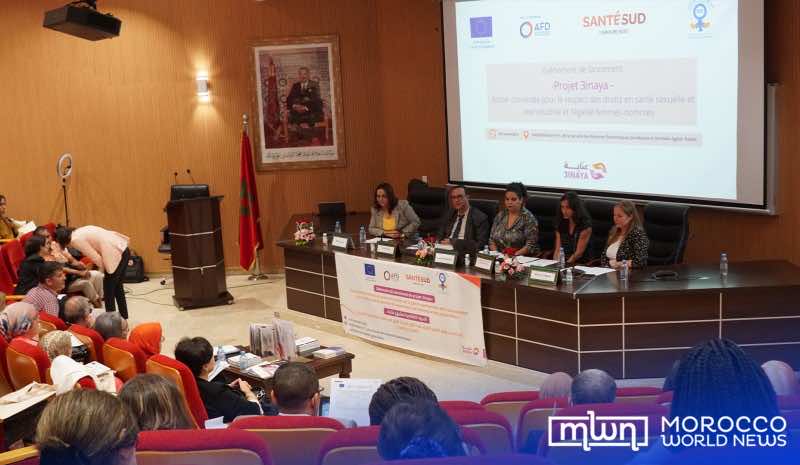

Rabat – Moroccan women’s rights organization LDDF-Injad Network and international NGO Sante Sud launched on Thursday the 3inaya (Arabic for “care”) Project, with the aim of promoting sexual health, sexual and reproductive rights, as well as advocating for gender equality in Morocco.
The launching of the 3inaya project took place at the Faculty of Law, Economic and Social Sciences (FSJES) Agdal in the capital city of Rabat. The event saw the participation of several representatives from several women’s rights and gender equality organizations and government bodies, who discussed key issues concerning the sexual health of women.
The 3inaya project seeks to promote gender equality and sexual health through educating and raising awareness among individuals, including men, women, and young people. The initiative aims to positively shift the way women are perceived.
Gender equality is everyone’s responsibility
Speaking at the event, the Vice President of the FSJES Agdal Abdelaziz Laaroussi highlighted the importance of engaging and introducing youth, including university students, to the work of gender equality associations.
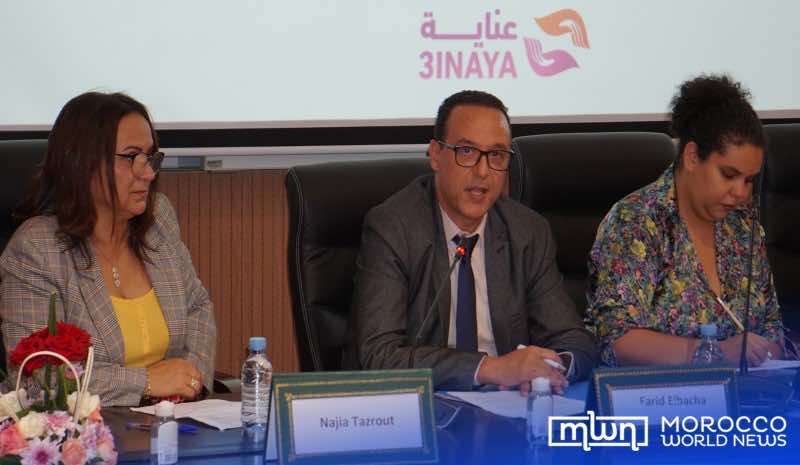
Gender inequality “is an issue that concerns all of us,” Laaroussi said, highlighting that the launch of 3inaya “serves as a space of exchange of experiences and expertise.”
“Working with women only is not enough,” said Jamila Garmouma, Vice President of the Federation of Leagues of Women Rights, adding that associations should also target and engage men, as well as children.

Read also: Moroccan Courts Tackled Over 23,000 Violence Cases Against Women in 2021
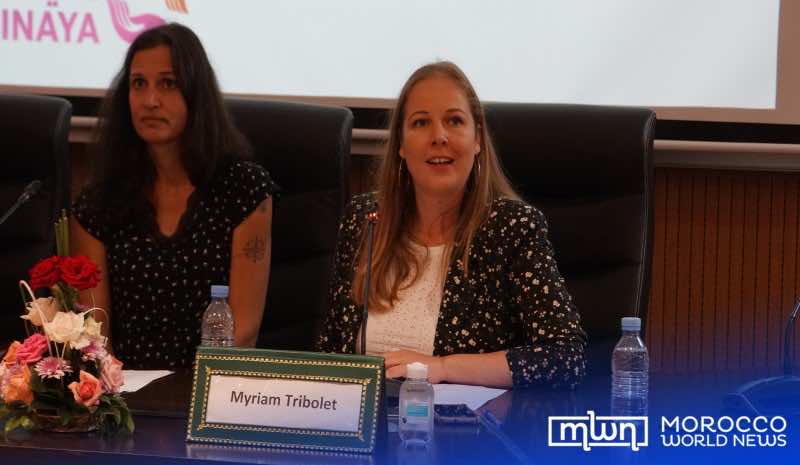
In addition, the President of the Sante Sud organization Myriam Tribolet stressed that sexual and reproductive health is a “fundamental” part of the health and well-being of human beings, notably women and girls.
Tribolet shed light on the work of her organization, which aims to reinforce and improve health systems, including sexual health. Sante Sud operates in nine countries, including Morocco, she indicated.
Gender inequality in Morocco
Violence against women is “deeply rooted in Morocco… women are subject to violence at home, in public spaces, and at the workplace,” said the President of LDDF-Injad Network Najia Tazrout.
Tazrout shed light on the various forms of gender-based violence and discrimination that Moroccan women face in their everyday life as well as the consequences of the violence, including marital rape, exposure to STDs, unwanted pregnancies, and unsafe abortions.
Arguing that violence against women remains persistent in Morocco, Tazrout regretted that there is a sense of “normalization and justification” of violence in the country.

The speakers also shed light on the data presented by the High Commission for Planning (HCP) on gender-based violence, which indicated that at least 57% of Moroccan women reported having experienced some form of violence.
Significant progress
The event tackled the progress Morocco has achieved in regard to promoting sexual and reproductive health rights, as well as fighting gender-based violence.
“Moroccan women and men are now aware of the importance of having a healthy and stable sex life,” Moroccan sexologist Amal Chabah argued, saying that she has witnessed significant progress throughout her 22 years of professional experience.
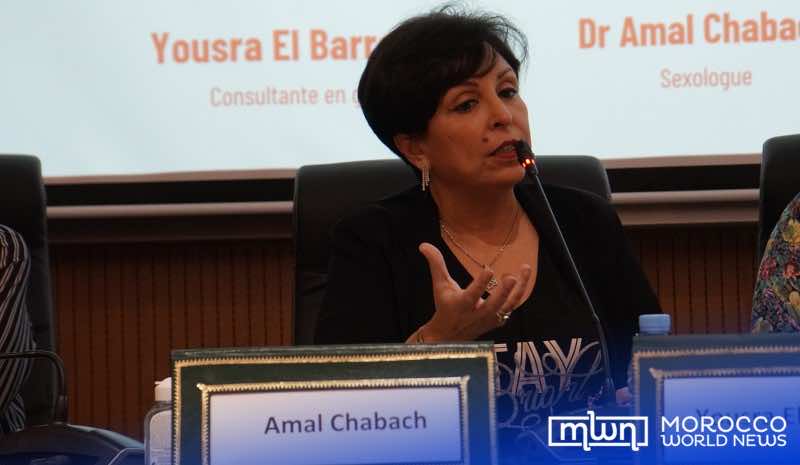
Speaking at the event’s roundtable, Chabah stressed the importance of “mental, psychological, and physical health for every human being, whether they are a man, a woman, and children.” She also stressed the negative effects of having an unbalanced and unhealthy sex life.
In addition, she mentioned the importance of raising awareness on these issues in a way that would not “shock” people, explaining that one should consider the conservative nature of Moroccan society.
Laws and policies
The event also touched on the role of laws and public policies in promoting gender equality, highlighting the achievement made through implementing certain laws and regulations in Morocco.
Zakia Amrani, The Gender Unit Coordinator at Morocco’s Ministry of Education, touched on the various initiatives that the ministry has launched to promote gender equality and sexual health.
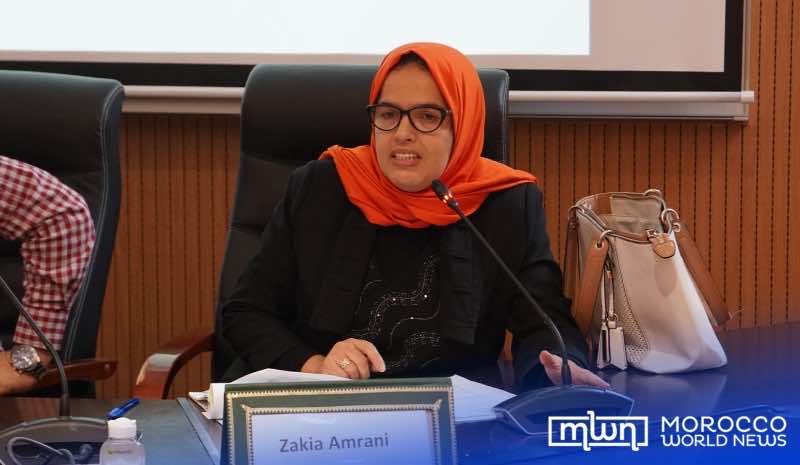
Morocco’s Ministry of education is “adopting a transversal approach to promoting health and gender equality” through school curriculums and pedagogical activities, she noted. Amrani added that such initiatives would help female students become more aware of their bodies and sexual health.
In addition, Khalid Abboudi, who is in charge of collaborating with civil society in the fight against gender-based violence, said that Morocco’s Ministry of Health and Social Protection has introduced several programs for the benefit of women who are victims of violence, including anti-violence centers for women, as well as hospital units that treat victims.