 Join on WhatsApp
 Join on Telegram
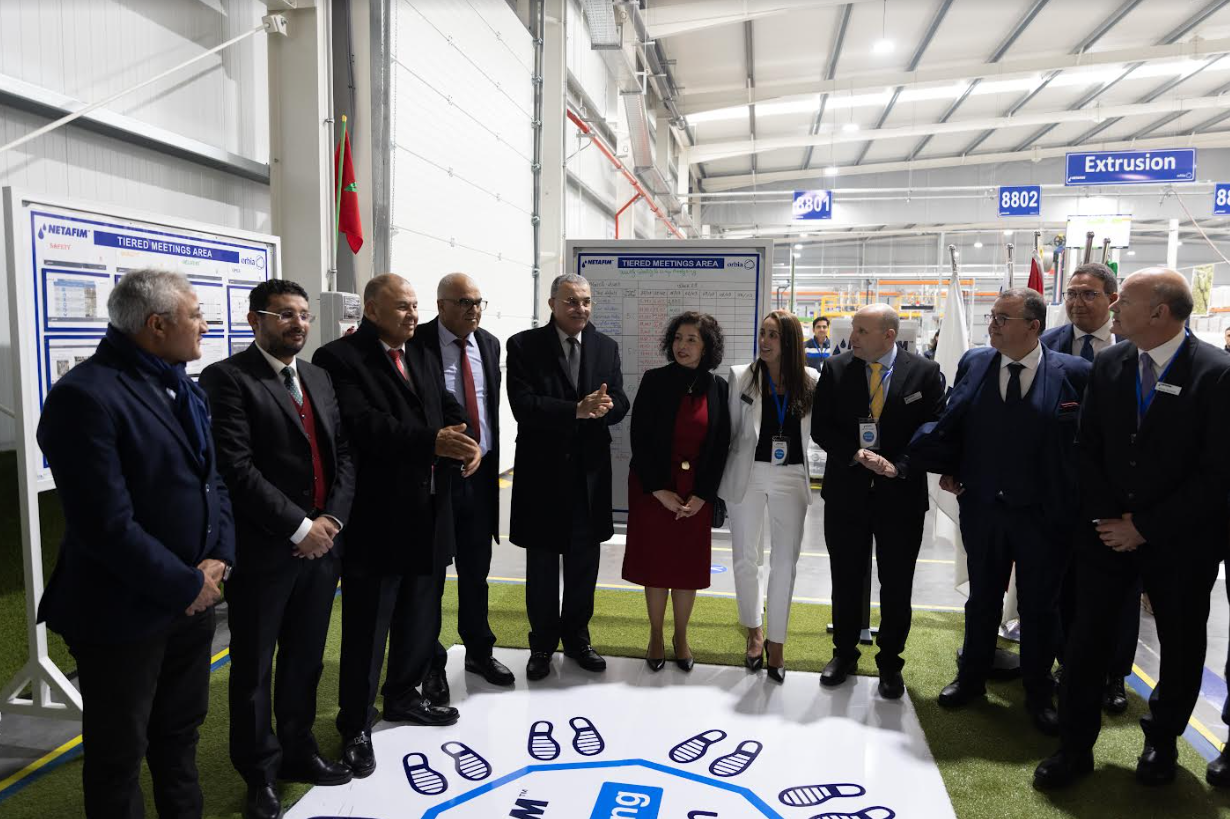
Rabat – Israeli drip irrigation manufacturer Netafim officially inaugurated its factory in Morocco’s Kenitra region on Thursday.
The plant seeks to create between 150 and 200 jobs, with a 100% Moroccan production, a press release from the manufacturer said.
Netafim’s communique also recalled the water challenges that many countries face across the world, stressing that the UN expected that water scarcity could cost up to 14% of the Middle East and North Africa’s Gross Domestic Product (GDP) by 2050.
“Unfortunately, this water shortage is already noticeable in Morocco, which is experiencing one of the worst droughts of the last 40 years, with agriculture consuming 80% of its water,” the press release added.
Morocco’s government has been taking measures to tackle its water management challenges, with King Mohammed VI calling for fresh action to address the water crisis.
“The Moroccan government is aware of these challenges, and the transition to precision
irrigation is an integral part of its ‘Green Generation’ plan,” Netafim added.
Through its factory, Netafim aims to allow farmers and smallholders farmers to “benefit” from drip irrigation with readily available, local, and affordable materials,” President of the EMEA Division at Netafim Gal Yarden said.
Gaby Miodownick, the company’s CEO, also stressed the importance of the factory’s opening, emphasizing that it comes as part of the company’s 30-year investment in the region.
“We are proud to support the ‘Green Generation’ plan advocated by the government to realize the potential of Morocco’s diverse and rich natural landscape and climate, with sustainable agricultural practices,” Miodownick added.
Last year, Morocco’s government announced that it increased the budget dedicated to irrigation programs from $10.8 billion to $14 billion to mitigate the effect of adverse weather conditions on agriculture.
The country’s agricultural sector was the hardest hit due to the lack of rainfall and a historically severe drought. In the 2021-2022 season, the country’s final production of its main cereals dropped to 34 million quintals, representing a decrease of 67% compared to the previous agricultural campaign.