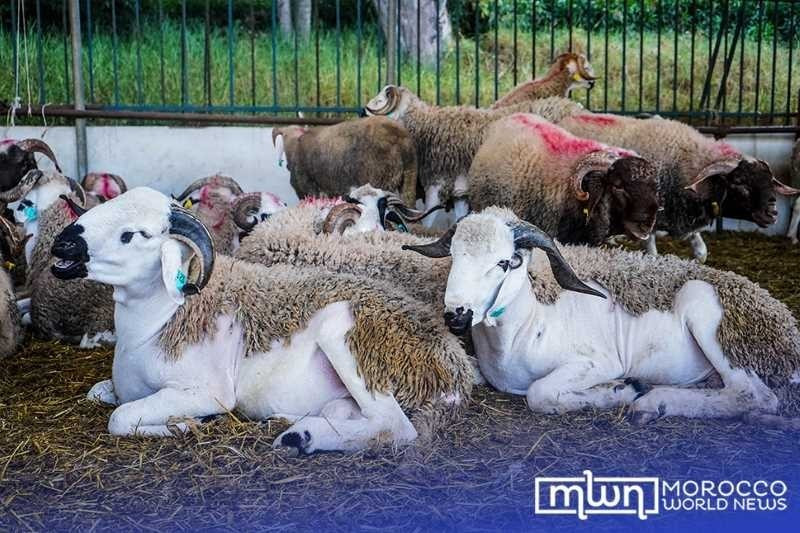
Despite inflation and skyrocketing food prices, new data identified the estimated cost Moroccans spent on livestock purchases at MAD 18 billion, or $1.8 billion.
Morocco’s High Commission for Planning (HCP) shared the new data on the eve of the feast, stressing that the average price of one sheep is estimated at MAD 2,400 ($242).
The survey attributed the situation to inflation, which caused the price of meat to witness an average annual increase of 5.0%.
“This increase is believed to have had repercussions on the average price of slaughter livestock during Eid Al Adha in 2023,” the report said.
The report looked at data from 2019 and 2020, showing that disadvantaged people are the most vulnerable to exceptional expenses caused by Eid Al Adha.
The weight of the expenses on Moroccans’ monthly budget is estimated at 42%.
Meanwhile, the cost or expense effects on high-income families are estimated at only 13.3%.
A recent national survey shows that as many as 7.9% of Moroccan households were unable to perform Eid Al Adha rituals in between 2019 and 2020. The report did not specify whether COVID had a role in the figures, but the pandemic caused many people to lose their jobs due to restricted lockdowns and curfews.
The percentage is higher in urban areas with 9.4%compared to rural areas (4.1%), the data said, noting that nearly one in six households does not perform the Eid sacrifice.
The data shows that the standard of living, as well as the household’s leader’s education level, are correlated with the non-performance of Eid Al Adha rituals.
Read also: Beyond Religion, Eid Al Adha in Morocco is Also the Food and Vibes
The HCP statistics further show that nearly one in six or 16.4% of high-income people (20% of the population) do not celebrate Eid Al Adha rituals.
Many Moroccans have in recent weeks taken to social media to complain about the extravagant increases of livestock prices in Moroccan markets.
Some complained that small sheeps are offered at higher prices, with farmers attributing the situation to fuel crisis and drought.
Minister of Agriculture Mohamed Sadiki echoed the same concerns, stressing that drought and inflation led to the high cost of production.
However, he recalled that the government has introduced subsidies as part of measures to tackle the crisis, including the suspension of value-added tax on fodder.
“The government has resorted to the exceptional and temporary opening of imports to protect the national herd and guarantee price stability at consumption,” he argued.