 Join on WhatsApp
 Join on Telegram
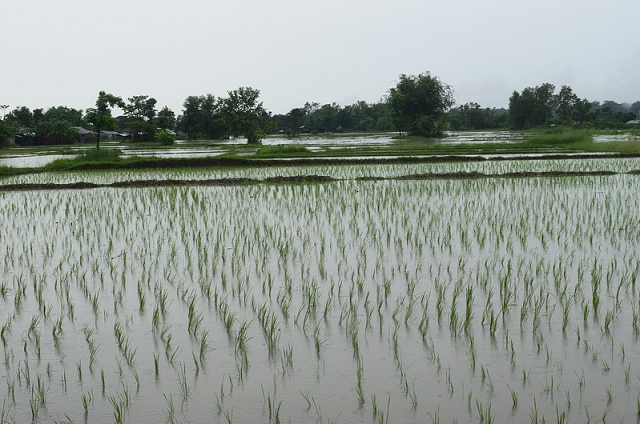
Rabat – Growth in Morocco’s agriculture reached historic low levels in 2022 as a result of adverse weather conditions, a new report from the Higher Commission of Planning (HCP) shows.
In a report on the overall economic situation in 2022, HCP data indicate that the suboptimal performance of Morocco’s economic growth in 2022 – which stood at 1.3% – was mainly driven by the drop in agriculture input. Meanwhile, non-agricultural economic activities recorded a 3% growth.
Regarding domestic market demand – a measure of consumer spending -, national spending dropped by 1.5%, compared to 8.9% a year earlier.
The country’s foreign trade fared better in 2022, the HCP report notes. Exports of goods and services rose by 20% year-on-year, against 7.9% the previous year. Imports, on the other hand, rose by 9% instead of 10.4%.
Morocco’s 2023 agriculture season
Despite a significant increase in rainfall volume in Morocco compared to the previous year, the country’s agriculture yield remains below optimal levels, according to data from the Moroccan central bank, Bank Al-Maghrib (BAM).
In a recent economic report, BAM stated that as of March 30, 2023, the cumulative volume of rainfall in Morocco reached 202.4 millimeters, a 15.6% increase compared to the previous agriculture season. However, it is still down by 17.3% compared to the average of the past five years.
Agriculture plays a vital role in Morocco’s economy, accounting for over 10% of the country’s Gross Domestic Production (GDP) and employing 30% of the labor force. However, the sector is highly susceptible to adverse weather conditions.
Last year’s drought severely impacted the agriculture yield, leading to a sharp increase in food prices and exacerbating the country’s reliance on food imports.
The suboptimal agriculture yield is considered the main cause of the rising inflation rates, which is one of the major challenges facing Morocco’s economy.
Reports from the Higher Commission of Planning (HCP) and BAM converge in highlighting that the lower supply of agricultural products is driving the price shock in the domestic market.
By the end of February 2023, inflation in Morocco had risen by an annual rate of 10% year-on-year, significantly exceeding the recommended average of 2%. Experts widely attribute the dramatic increase in inflation to the surge in food prices.
The prices of food products have experienced an annual increase of 18.4%, while non-food products have seen a rise of 3.7%. This substantial rise in food prices further adds to the inflationary pressures faced by the Moroccan economy.
Read Also: Morocco’s Trade Deficit Continues to Ease in 2023