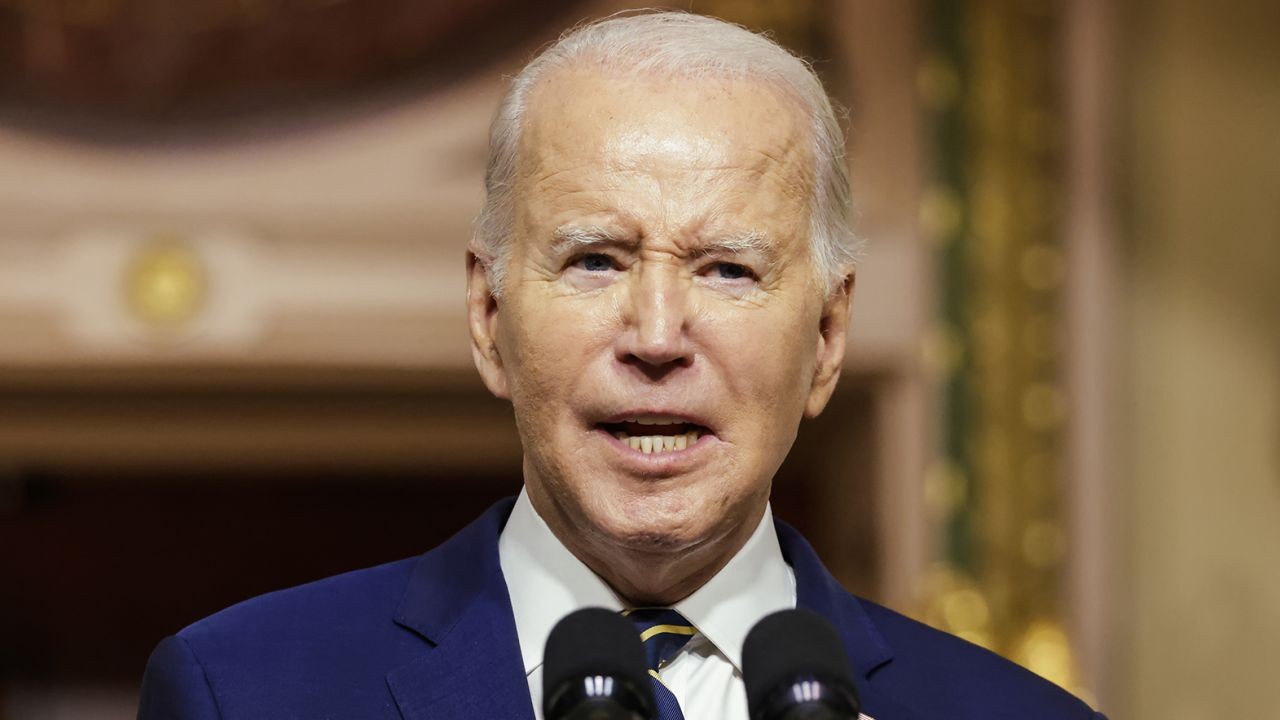
Rabat – The Biden administration is moving forward with plans to help normalize diplomatic relations between Israel and Saudi Arabia, hoping to restructure the power and security dynamic in the region.
New York Times columnist Thomas Friedman recently outlined US President Joe Biden’s ambition to pursue a US-Saudi mutual security pact that could possibly establish formal diplomatic relations between Israel and Saudi Arabia.
Any deal towards normalization would involve giving the Saudis NATO-like security guarantees, a monitored civilian nuclear program, and advanced defense systems. In return, the US will push the Saudis to permanently end fighting in Yemen, seek large investments for Palestinians on the West Bank, and curb the expanding Saudi Arabia-China relationship.
Any US-led Saudi-Israeli agreement would mark a significant shift in politics in the Middle East. The two countries have never had diplomatic relations, and much of the Arab world have almost non-existent relationships with the Israelis.
In 2020, several other states including the UAE and Bahrain normalized relations under the signing of the Abraham Accords, formally recognizing Israel’s sovereignty. Notably, Morocco later joined the agreement and established a formal diplomatic relationship, which led to the first joint security agreement between an Arab state and Israel.
Nevertheless, the possibility of an agreement between Israel and Saudi Arabia would be a significant breakthrough. A possible US-led coalition would reshape the geopolitical landscape, both in terms of economic ties and multilateral relationships.
Peace between two historic adversaries would introduce Israel to the rest of the Arab world, which would create avenues to enhance state cooperation, potentially leading to greater stability, security, and prosperity in the region.
An agreement will also work to counter growing influence from Russia and China in the Middle East. The Biden administration is looking to minimize collaboration between Riyadh and Moscow on energy prices and oil reserves, in an effort to ramp up pressure on Russia as it continues to pursue its illegal invasion of Ukraine. The administration is also seeking to re-establish itself in the region and counter any dependence on Beijing, who recently brokered a deal between Iran and Saudi Arabia.
Additionally, as Saudi Arabia and Israel grow informally closer over shared concerns of Iran’s presence in the Middle East, the mutual security pact will seek to further isolate and minimize Tehran’s influence in the area.
While not originally stated in the initial discussions, US officials acknowledge that any future conversations will have to address Israel’s dispute with the Palestinians. The New York Times reported that Saudi officials, including Crown Prince Mohammed bin Salman, will insist on clear concessions. Although Israel’s current right-wing coalition government appears unlikely to endorse any compromises for the Palestinians, the potential impact of such a deal could influence leaders to reconsider their opposition.
The Biden administration’s motivation for a joint security framework is twofold. The framework integrates Israel into the Arab Middle East which will serve American interests in the region by stabilizing tensions among states and further cementing shared economic ties, as well as commercial interests by participating nations.
President Biden is also banking that a wide-ranging Saudi-Israeli deal will boost his re-election bid. While foreign policy is not a top priority for the average American voter, Arab-Israeli normalization remains popular and a successful security pact could shore up a wider array of support come Election Day.
This initiative will require officials from the various countries, including the Palestinian Authority, to find a general consensus that appeases all parties. If the Biden administration is able to establish terms for normalization, it would align with strategic interests of the US, Israel, and Saudi Arabia, which could even rescue the chances of a two-state solution.
Experts suggest however that Biden’s efforts risk undermining the Chinese brokered Iranian-Saudi deal, which re-established diplomatic relations between the regional rivals.
Others contend that the biggest beneficiary of the framework is Israel, who would enjoy the benefits of this initiative without fully settling the Palestinian conflict, much like the current annexation policies in the West Bank, contravening the agreement with the UAE in 2020.
Any consensus on the possible framework is still months away and any formal security pact involving the US will need widespread support in Washington, as at least two-thirds of the Senate will have to vote in support in order to ratify a deal.
The prospects of developing a workable framework are slim, but if the Biden administration can implement its ambitious and far-reaching plan, it could transform the current geopolitical apparatus in the region. Whether the move will mutually benefit the entirety of the Middle East, only time can tell.