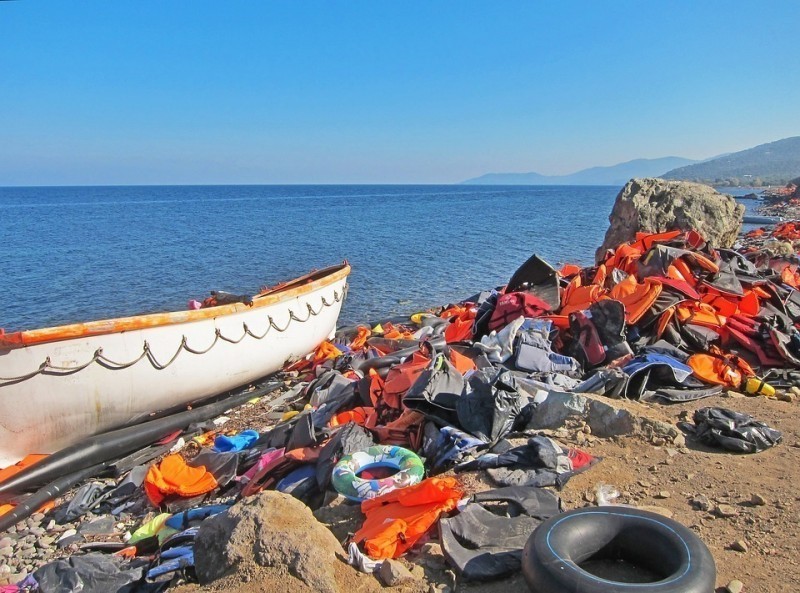
Paris – A recent meeting of EU interior ministers in Brussels discussed the paramount concern of the increasingly pressing issue of sea migration into Europe.
Given the lack of a common EU position on migration, the meeting discussed the urgent need for a unified European stance on migration.
German Interior Minister Nancy Faeser made a clear statement at the meeting, notably confirming Germany’s willingness to stand behind a new compromise on regulating migration, especially during times of crisis.
The conversations also delved into broader topics, including border controls and potential collaborations with Egypt to stem the tide of migrants crossing the Mediterranean Sea.
Despite past disagreements over the lowering of protection standards for migrants during high arrival rates in member countries, there was a palpable effort to reignite dialogue and seek common ground.
Faeser stressed the need for a robust mechanism that allows member states to declare a crisis and implement emergency protocols in response to a large influx of migrants. She voiced confidence in the progress made during the overnight negotiations, expressing hope for a favorable outcome.
Read also: Pedro Sanchez Reaffirms Importance of Spain’s Cooperation With Morocco
The urgency of reaching a consensus on migration and asylum policies was further heightened by the recent wave of asylum-seekers landing on Lampedusa, a small Italian island near the Tunisian coast.
In addition to discussions regarding potential partnerships with Egypt and Tunisia to reduce departures from the Mediterranean’s southern shores, the meeting of EU Interior Ministers raised concerns about the treatment of migrants and the potential violation of their human rights.
Despite the controversy surrounding recent agreements with North African countries, the EU ministers remained committed to exploring collaborative approaches. They sought a cohesive and collaborative strategy to navigate the complex landscape of migration.
The leader of the primary center-right grouping in the European Parliament, Manfred Weber, emphasized the necessity of engaging with Tunisia, stressing that finding a common approach was crucial.
He acknowledged mounting evidence of abusive treatment towards migrant abuse and stressed the need to address these concerns while striving for a collective resolution.