Rabat – Morocco’s inflation rose by an annual rate of 5% at the end of August 2023, a report from the Higher Commission of Planning (HCP) indicates.
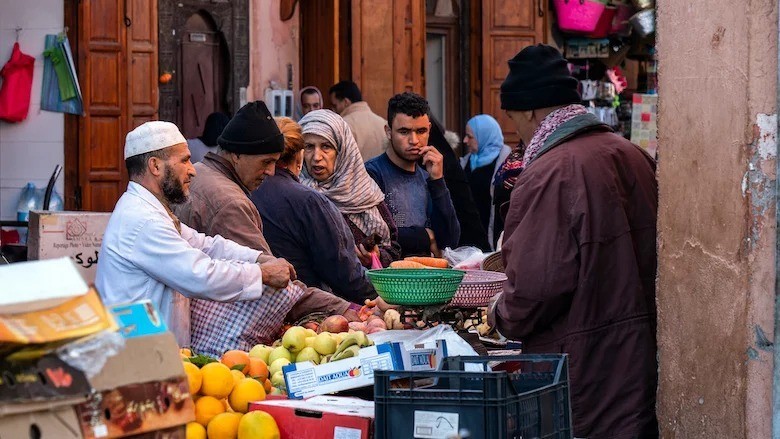
The uptick in inflation is mainly due to a sweeping 10% rise in food prices, and a 1.3% rise in non-food items, the HCP report shows.
Meanwhile, the core inflation index, which excludes volatile price products and public tariff products, rose by an annual rate of 4.9% in the first eight months of 2023.
Compared to the previous month, inflation rose by 0.3% in August, underpinned by a 0.2% rise in the food product index and a 0.4% increase in the non-food products index.
The HCP report details that the month-on-month spike in food products covers fruits at 2.8%, vegetables, at 2.7%, milk, cheese, and eggs, as well as coffee, tea, and cocoa by 0.2%, while the price of bread and cereals rise by 0.1%.
In contrast, meat prices fell by 2.0% month-on-month, fish and seafood products dropped by 0.8, and “oils and fats” dropped by 0.7%.
For non-food products, the increase primarily extended to fuel prices, which rose by 6.7% month-on-month.
While inflation is showing signs of easing in 2023, it remains below the recommended 2%.
An earlier report from HCP forecasts that after almost three years of breaking records, inflation in Morocco is set to drop to 1.8% in 2024, down from 2.8% in 2023.
Despite the optimistic outlook from the HCP, adverse weather conditions and their effect on agriculture yield may cause inflation to persist triggered by the persisting rise in food products.
Read Also: Inflation to Plunge Below 2% in 2024 as Morocco’s Economy Bounces Back