
 Join on WhatsApp
 Join on Telegram
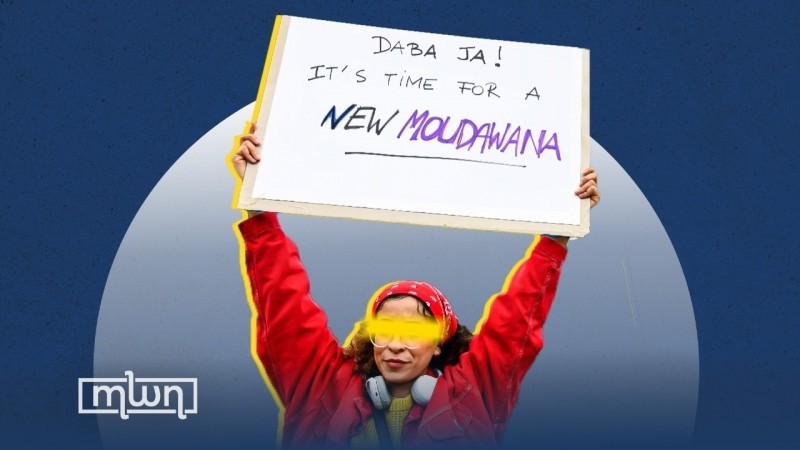
Rabat – The Women’s Coordination for Comprehensive and Deep Change to the Family Code, a coalition comprising 31 women’s rights associations in Morocco, is advocating for a significant overhaul of the Moudawana, the Moroccan family code.
On October 10, coinciding with National Women’s Day in Morocco, the coalition issued a call to revisit and reform the country’s existing Family Code. The coalition’s demands encompass a range of critical changes, notably the prohibition of polygamy and the assertion of equal inheritance rights for both genders.
The NGO’s demands include the removal of all concepts and provisions within the Family Code that reinforce male dominance and privilege, such as the notion of “qawama,” (male authority). They argue that these concepts contradict the principle of shared responsibility and equality within relationships.
They also advocate for legal reform that ensures that a mother’s custody rights are not affected by her decision to remarry.
In addition, the coalition called for an end to child marriage and setting the legal marriage age at 18 with no exceptions.
The call for reform came in the wake of King Mohammed VI’s recent directive to the Head of the Moroccan government Aziz Akhannouch, tasking him with the responsibility of revising the family code.
The monarch called for the submission of draft recommendations based on consultations within six months before the government prepares and submits a draft law for parliamentary approval.
Read also: The Moudawana: A Look into Previous Reforms
Stressing its active engagement in consultations regarding the new Family Code, the coalition called on all involved parties to reexamine the legislative text for its “inclusivity and depth,” employing precise legal formulations that leave no room for multiple interpretations.”
In addition, it stressed the need for the revised Family Code to reflect the value of equality stated in the Moroccan constitution and international agreements.
The coordination emphasized the importance of reviewing the language used in the family code and eliminating derogatory terms that demean children, women, and men alike.
Following King Mohammed VI’s instructions to revise the Moudawana, opinions among Moroccans are varied. Some applauded the move and viewed it as an opportunity to address issues and shortcomings in the existing Family Code.
Meanwhile, others expressed their concerns and launched online campaigns to voice their reservations about the proposed revisions.
The Moroccan family code underwent significant revisions in 2004, including improvements in women’s rights and family law. These changes were met with a mix of responses, with conservative factions, notably the Islamist Justice and Development Party (PJD), expressing strong opposition through large demonstrations.