Rabat – Global warming is one of college students’ most frequently designated assignment topics. Almost every pupil needs to compose such essays as part of the curriculum, which requires extensive research and long hours at the library. An excellent resource that makes the task easier is examples with argumentats for essay on Global Warming, which can help you conveniently write an essay for your class assignment. That being said, here are some changes in everyday life that aid in efficiently tackling the challenges associated with global warming.
It is a sad truth that human fault has led to global warming and its ill effects. Hence, thinking sustainably is of the essence. Small, actionable steps taken consistently in our everyday lives can have a significant positive impact on preventing further climate change.
Become an energy miser
Consumption of coal, oil, and gas has almost doubled in the last 40 years, as the graph below indicates. Reducing our individual use of fossil fuels is vital. Switching over to energy-efficient practices goes a long way. Energy-efficient appliances and LED light bulbs reduce energy consumption. Make sure to turn off lights, electronics, and other appliances when leaving the house or not in use.
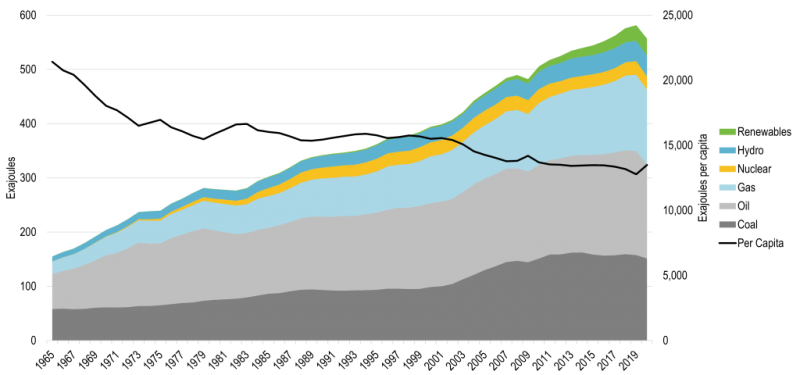
Source: The Geography of Transport Systems
The 3 Rs
Embracing the three Rs – reduce, reuse, and recycle – makes a big difference. Reduce waste by avoiding unnecessary packaging and disposable products. Reuse items whenever possible. For instance, repurpose glass jars for storage. Recycling is equally essential. Separate paper, plastics, glass, and metal and ensure they reach recycling centers.
By following these practices, you can minimize waste, conserve resources, and act as a catalyst in leveraging solutions to stop global warming.
Water is life
Saving water is critical for the environment. It is also helpful for reducing your carbon footprint. Simple steps to conserve water include taking short showers, and turning off taps when not in use. You should also use buckets to wash cars and bikes; hoses lead to excessive water waste.
Run dishwashers and washing machines only when they are full, and collect rainwater for gardens and lawns. For farmers, drip irrigation systems can drastically cut water usage
Green transport is clean transport
Try adopting practices like carpooling or using public transport daily to commute. These changes may cause friction initially but aid sustainable development in the long run. Electric vehicles (EVs) are gaining popularity as cleaner alternatives to gasoline-burning engines. Transportation is an essential sector in stopping global warming.
Learning to live eco-friendly
Choose eco-friendly products with minimal packaging to reduce waste and energy consumption. Supporting brands committed to sustainability encourages greener business practices. This also contributes to a more environmentally conscious lifestyle.
Consider going vegan
Livestock farming creates immense greenhouse gas emissions. Incorporating more plant-based meals into your diet reduces the demand for resource-intensive meat production.
What’s more interesting? These changes don’t have to be drastic. Switching to eating meat once or twice a week, rather than daily, can decrease demands on animal husbandry by more than 50%.
Build an energy-efficient home
Everyone often dreams of owning a picturesque home. Why not design it as sustainably as you can? Here are a few lessons to help you construct the eco-friendly home of your dreams.
A well-insulated home requires less heating and cooling, resulting in lower energy bills and a smaller carbon footprint.
Designing lots of windows aids cross ventilation and entry of natural light. More natural light decreases energy use for light bulbs.
Use solar panels to replace conventional, non-renewable energy sources like thermal power. Ensure an alternate energy mode as a backup in case the primary source fails.
Avoid using materials such as wood, bamboo, etc., which promote deforestation. Look to incorporate eco-friendly recycled materials instead.
Adopt a gardening hobby
A simple hobby like gardening does much more than just heal the environment. It helps lower anxiety, stress, and negative emotions. It re-establishes your long-lost connection with nature.
Trees absorb carbon dioxide, release oxygen, and help mitigate the greenhouse effect. By simply planting one tree a season, you can help save the environment and savor the sweet fruits later as a reward.
Raise awareness
Creativity has no boundaries. Doing your bit to stop climate change, such as by designing posters, promoting reading clubs, presenting webinars, and making school presentations is also important.
Rethink air travel
Rapid technological progress has made connecting via video or audio conferences easier. Consider using tools like Google Meet and Microsoft Teams for collaboration. Reconsider flying cross-country as much as possible if other alternatives exist. Cutting back on air travel saves fuel and energy.
Switch to e-reading
If you are reading this on your electronic device, then congratulations! You just saved a tree from being felled! Switching to electronic modes of reading and writing curbs rampant deforestation.
Support climate-friendly policies
Collective voices drive governments and industries to prioritize the environment, accelerating the transition to a low-carbon future. Thus, through your daily choices, you hold the power to prevent global warming.
Your purchasing habits prove to companies what you care about. By choosing environmentally aware brands, reducing consumption, and buying consciously industries will be forced to adapt. You can also express your environmental dreams by lobbying your elected officials.
Addressing the urgent issue of global warming demands a collective effort. Each person plays a significant role in the battle. You can start by putting a few of these 12 solutions to preventing climate change into practice. Continue to gradually incorporate more into your lifestyle at whatever pace you can. Cheers to a healthier and more sustainable future!