 Join on WhatsApp
 Join on Telegram
Rabat – A consortium of international media outlets, including Mediapart in France and Der Spiegel in Germany, has exposed the involvement of a French company, Nexa Technologies, in selling powerful spyware known as “Predator” to “autocratic governments.” This revelation has raised concerns about the ethical implications of France’s involvement in the global surveillance industry.
Predator, spyware designed to infiltrate mobile phones, was developed by North Macedonian company Cytrox. According to the consortium’s investigation, Nexa Technologies facilitated the sale of Predator to at least three autocracies: Egypt, Vietnam, and Madagascar. This revelation has sparked outrage and calls for accountability.
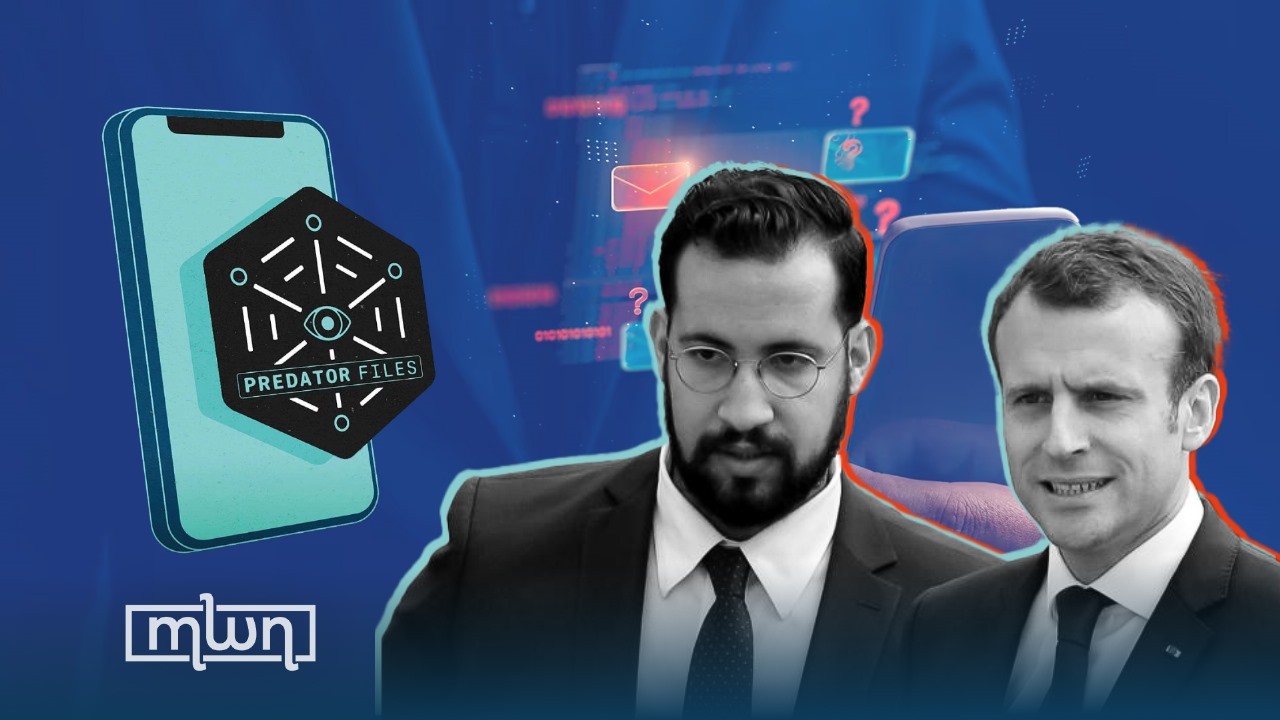
The story takes an even more intriguing turn as it is revealed that executives from Nexa Technologies had a face-to-face meeting with French President Emmanuel Macron’s head of security in the spring of 2018.
Alexandre Benalla, a project manager who has gained notoriety in French politics, was also present during the meeting. This meeting was reportedly aimed at presenting Nexa’s offerings, including the controversial Predator spyware. What is even more astonishing is that Benalla later became involved in supporting Nexa’s commercial endeavors in the surveillance industry after leaving his public role.
Nexa Technologies had previously sold its Cerebro system to Saudi Arabia, despite international condemnation following the gruesome murder of journalist Jamal Khashoggi in the Saudi consulate in Istanbul in October 2018. This willingness to engage with repressive regimes has further fueled concerns about the ethical standards of the French surveillance industry.
This isn’t the first time a French company has come under scrutiny for its involvement in selling surveillance technology to autocratic governments. In 2011, Amesys, a subsidiary of the Bull group, sold a mass interception system called “Eagle” to Colonel Gaddafi’s Libya. After Gaddafi’s fall, this revelation led to Amesys being investigated for complicity in acts of torture. These disturbing precedents cast a shadow over France’s role in the global surveillance industry.
Nexa Technologies has reportedly sold its Cerebro system to several other countries, including Switzerland, Austria, Germany, Pakistan, and the Republic of the Congo.
Additionally, Nexa has marketed its latest product, Predator, specifically designed for targeted surveillance, competing with the infamous Israeli Pegasus software.
Cytrox, the company behind Predator, is based in North Macedonia and led by a high-ranking officer from Unit 81, an Israeli Defense Forces (IDF) unit focused on advanced technology development.
In July 2021, a report from NGO Forbidden Stories accused Morocco of using NSO Group’s Pegasus spyware to surveil journalists and political activists. The accusations, which were soon debunked by the Moroccan government, were based on foreign newspapers usage of what the Moroccan government called “fake materials,”. A statement was issued by the Moroccan authority denouncing the claims and the biased approach featured in the report.
As the “Predator Files” continue to unfold, it raises serious questions about the role of French surveillance companies in enabling surveillance technology. The question that looms large is this: to what extent is the French government involved in regulating and overseeing the actions of its surveillance companies?
The “Predator Files” underscore the pressing need for transparency, accountability and ethical scrutiny within the French surveillance industry, as well as raising broader questions about the French Government’s role in African affairs and its commitment to upholding human rights and democratic values.