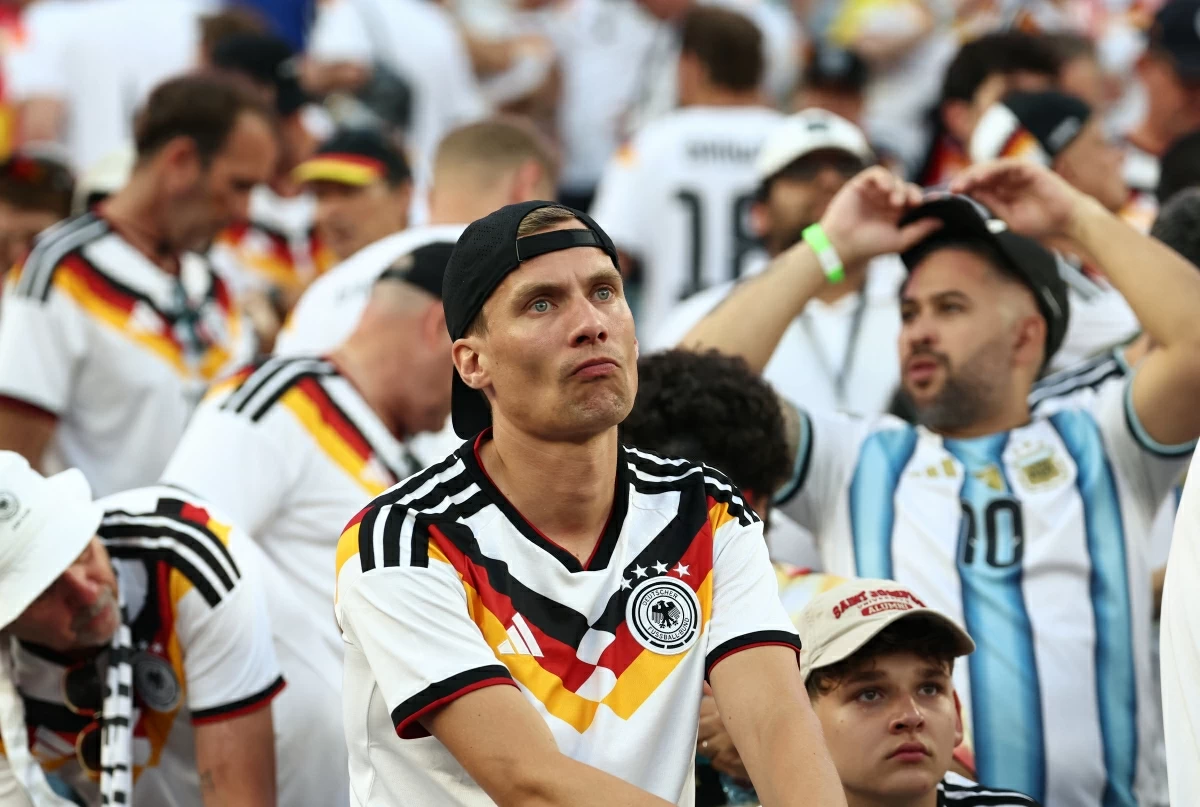
Rabat – Germany’s loss to Paraguay is being talked about as one of the tournament’s biggest shocks, and it is. But it’s also not really an isolated result; it’s instead part of something that’s been building for a while.
There was a time when teams like Germany, Brazil, Argentina, France, and Spain could walk into a major tournament as the assumed favorites, almost regardless of form. That’s no longer the case. They’re still strong sides, but strong doesn’t mean safe anymore.
This also isn’t Germany’s first bad tournament. It followed disappointing exits in 2018 and 2022, and after yesterday’s loss, Julian Nagelsmann admitted his team is “not part of the first-class teams anymore.” It’s a fairly blunt thing for a coach to say, but it fits with the broader shift happening in international football.
Paraguay’s win wasn’t a fluke, and neither was Morocco‘s win over the Netherlands earlier today. Both results came down to similar things, solid defensive structure, a clear game plan, and a team that didn’t get rattled just because the opponent had more recognizable names.
A lot of this comes down to how the sport has spread out. Coaching has improved in places that didn’t have that infrastructure a decade or two ago. More teams use data and analytics now. And there are simply more players from outside the traditional powers playing regularly in Europe’s top leagues. All of that narrows the gap between the traditional big guns and the fearless pack chasing them.
The upshot is that knockout football has gotten harder to predict. Reputation alone doesn’t carry a team through a single-elimination game anymore, preparation and game management tend to matter more.
Germany’s exit is one storyline from this World Cup, but it points to something larger. With several traditional contenders already out, there’s a real possibility this tournament ends with a first-time champion, which says a lot about where international football is headed.