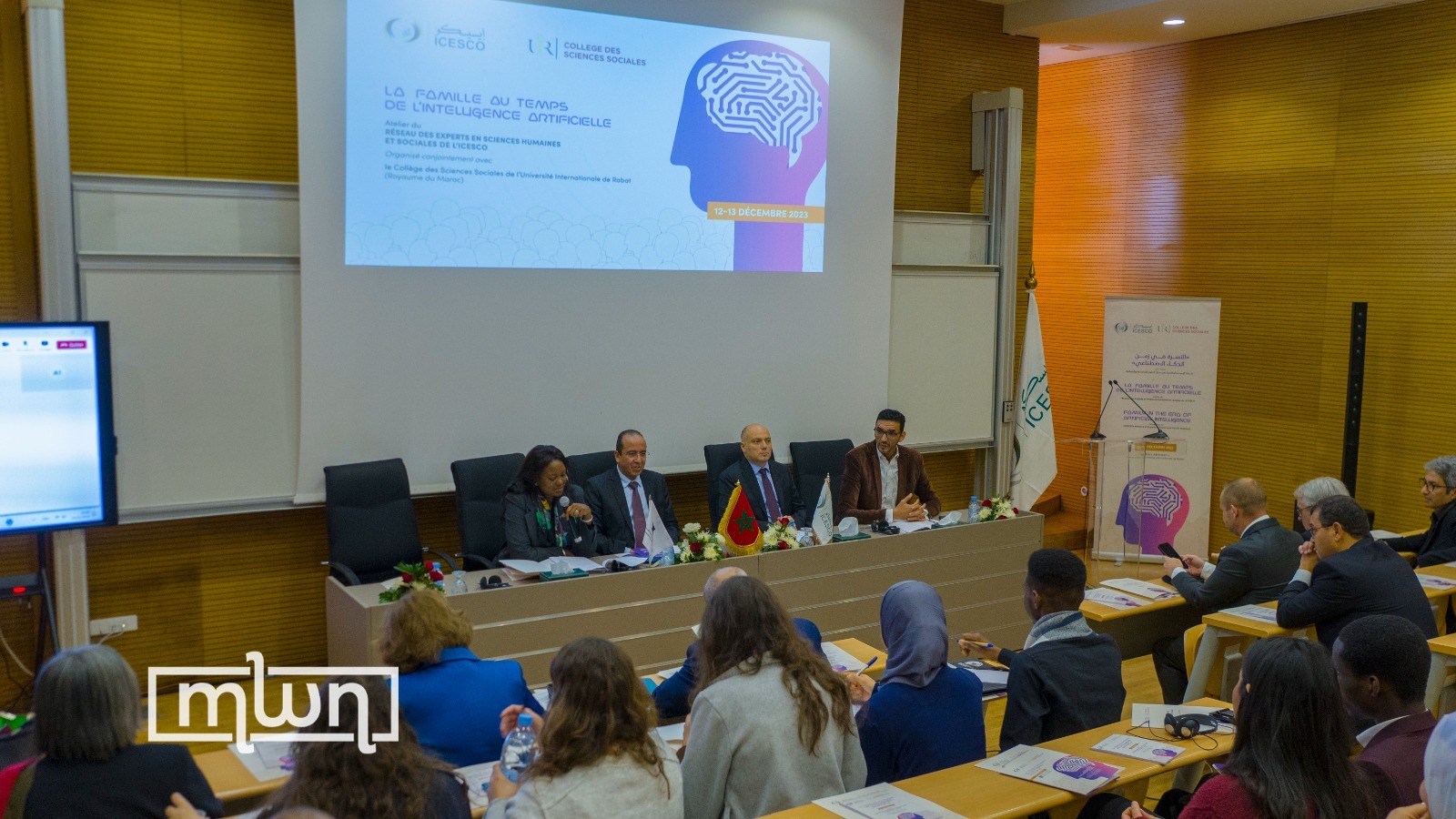
Rabat – The Islamic World Educational, Cultural and Scientific Organization (ICESCO) has initiated a two-day workshop in collaboration with Rabat International University (UIR) to delve into the complexities surrounding the theme “Family in the Age of Artificial Intelligence.”
The workshop, conducted in a hybrid format – with in-person participation for Rabat residents and virtual engagement for others – seeks to dissect the elements of familial configurations, trajectories, and dynamics, while investigating the implications of integrating artificial intelligence (AI) into the Islamic world.

ICESCO Workshop on “Family in the Age of Artificial Intelligence”
Ramata Almamy Mbaye, ICESCO’s Director of Human and Social Sciences, emphasized the deliberate choice to place the family as the workshop’s focal point.
According to Mbaye, this choice stems from “the family’s key role as a tool and fundamental mechanism for socialization, but also for the transmission of knowledge and, above all, for the transmission and preservation of socio-cultural heritage, and therefore of cultural inheritance.”
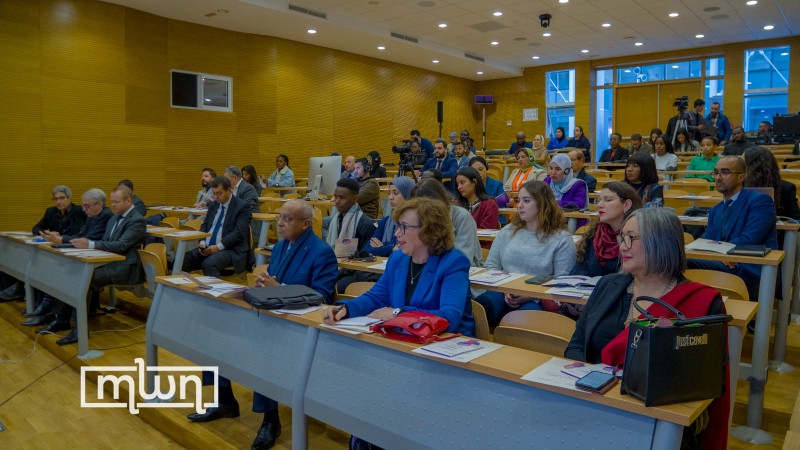
ICESCO Workshop on “Family in the Age of Artificial Intelligence”
In a world marked by constant and rapid change, families today grapple with diverse challenges and issues that imperil their livelihoods, and artificial intelligence stands prominently among them.
Farid al-Asri, anthropologist and Dean at the International University of Rabat, has urged for a critical examination of the impact of AI, especially on family dynamics while suggesting a harmonizing prism that aligns with societal structures, considering both positive aspects like efficiency gains and potential pitfalls, akin to past debates on the Internet.
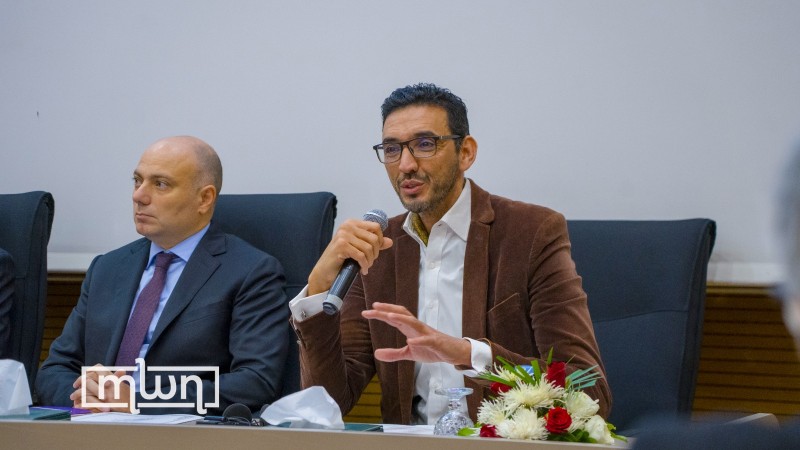
Farid al-Asri, anthropologist and Dean at the International University of Rabat
The central inquiry revolves around the role of AI within the intimate confines of the family.
How should family members, particularly children, youth, and women, engage with and respond to AI? Can AI contribute to nurturing and constructing familial intimacy, or does it hold the potential to emancipate and socially empower its members?
To address these pressing questions, Mbaye stressed “the urgency and necessity of reflecting on AI and the family.” This reflection, she argued, is vital for “shaping policies that are attuned to accompanying measures, ensuring the preservation and safeguarding of families, with a specific focus on children, young people, and women”.
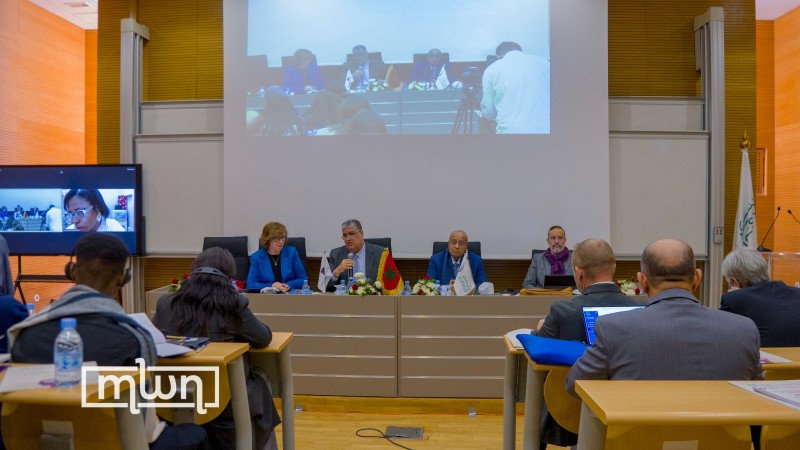
ICESCO Workshop on “Family in the Age of Artificial Intelligence”
Moreover, Mbaye highlighted the necessity to reconsider and guide families through “orientation measures drawn from this reflection on the impact of external and new elements such as AI”.
The two-day workshop is part of ICESCO’s Network of Experts in Human and Social Sciences initiative, aiming to extend and strengthen the production of scientific knowledge structures.
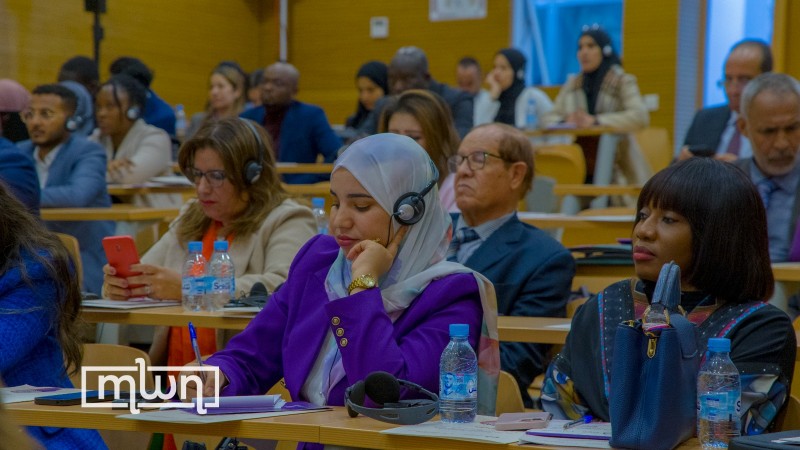
ICESCO Workshop on “Family in the Age of Artificial Intelligence”
The ultimate goal is the construction of knowledge-based societies in the Islamic world, aligning with initiatives like ICESCO Chairs.
As the workshop unfolds, it promises to be a pivotal forum, fostering dialog and innovative solutions,navigating the intricate intersection of family life and the transformative influence of AI within the context of Islam.