
 Join on WhatsApp
 Join on Telegram
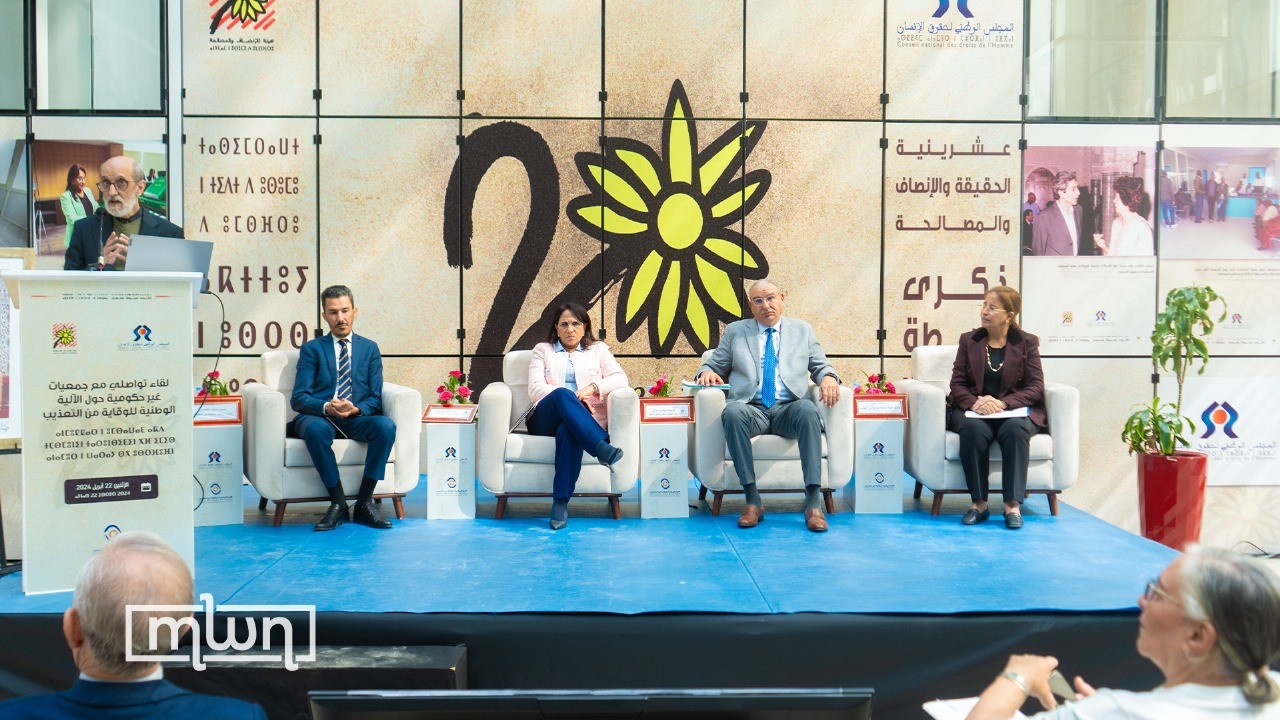
Rabat – The National Council for Human Rights in Morocco (CNDH) hosted a session and interactive meeting today, celebrating the country’s advancements in torture prevention.
The gathering brought together key stakeholders from non-governmental organizations (NGOs) to reflect on the operations, progress, and achievements of the National Mechanism for Preventing Torture
In an interview with Morocco World News, CNDH President Amina Bouayach expressed the significance of the occasion, stating, “today, we celebrate the work of this mechanism, which has diligently operated for approximately five years.”
She added that the meeting marked a celebration of several milestones, including the establishment of the mechanism, Morocco’s ratification of the Optional Protocol to the Convention against Torture and other Cruel, Inhuman or Degrading Treatment or Punishment (OPCAT), and the 20th anniversary of the Equity and Reconciliation Commission.
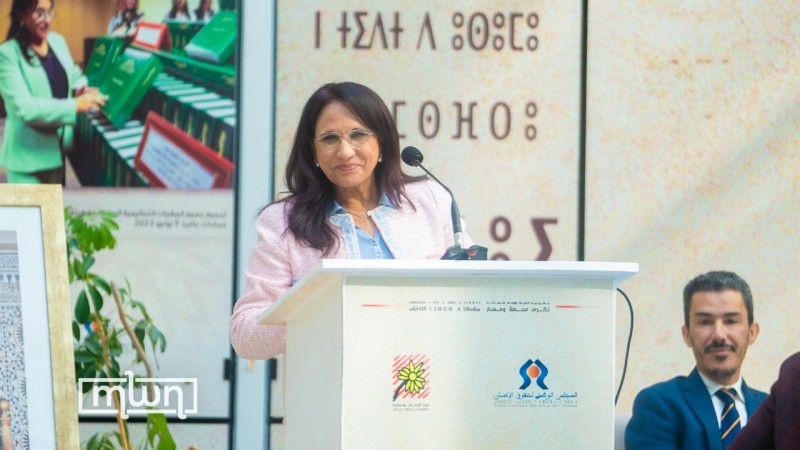
CNDH President Amina Bouayach
Bouayach noted that ratifying this protocol was one of the “most important” recommendations of the Equity and Reconciliation Commission. “Morocco ratified it and established the national mechanism, which has been working diligently for about five years,” she added.
Bouayach emphasized the importance of Morocco’s commitment to human rights, citing the country’s ratification of the UN Convention as a cornerstone of its dedication to combating torture.
“Today, we celebrate the work of this mechanism publicly and openly. This celebration will also continue with other mechanisms, such as the National Mechanism for Child Protection and the National Mechanism for the Protection of Persons with Disabilities,” CNDH President added.
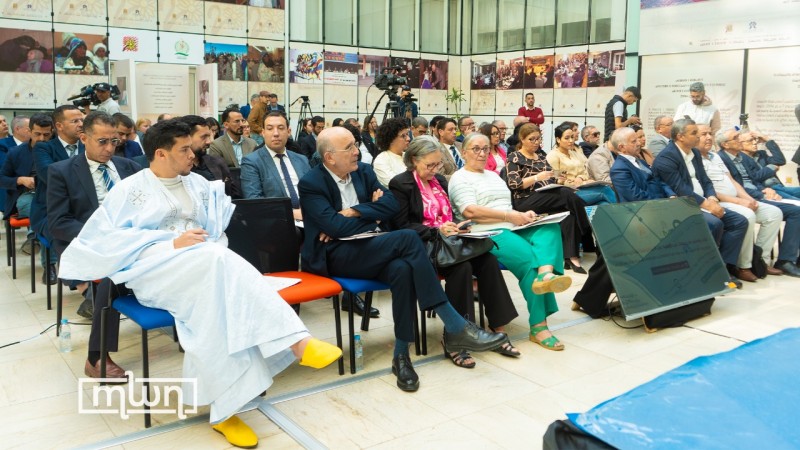
Attendees at the event
Prior to this meeting, CNDH engaged in constructive dialogues with various stakeholders, including the General Directorate of National Security (DGSN), the Royal Gendarmerie, and the General Delegation for Prison Administration.
According to Bouayach, these meetings aimed to to “enhance [their] efforts and advance the implementation the National Mechanism for the Prevention of Torture.”
Meanwhile, Mohamed Benaajiba, the coordinator of the National Mechanism for Preventing Torture, said that the gathering presents “an opportunity to present an introductory paper about the National Mechanism for the Prevention of Torture, highlighting the visits it has conducted to all places of deprivation of liberty in all regions of the kingdom, totaling 98 visits.”
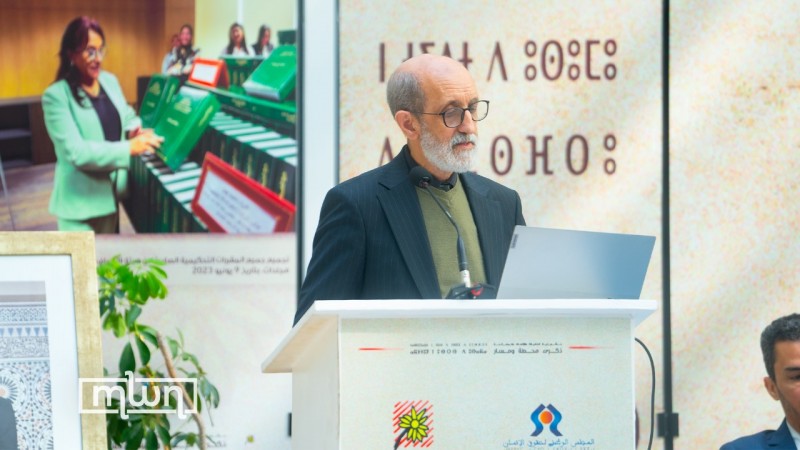
Mohamed Benaajiba, the coordinator of the National Mechanism for Preventing Torture
Places of deprivation of liberty typically refer to facilities where individuals are deprived of their freedom of movement, including prisons, detention centers, correctional facilities, immigration detention centers, and psychiatric hospitals where individuals are involuntarily detained.
Benaajiba added that the meeting provides insight into the mechanism’s “operation, methodology, and working approaches.”
“It will also present the most important findings derived from its visits to places of deprivation of liberty, noting the qualitative improvement in their conditions and the treatment of detainees in general,” he told MWN.
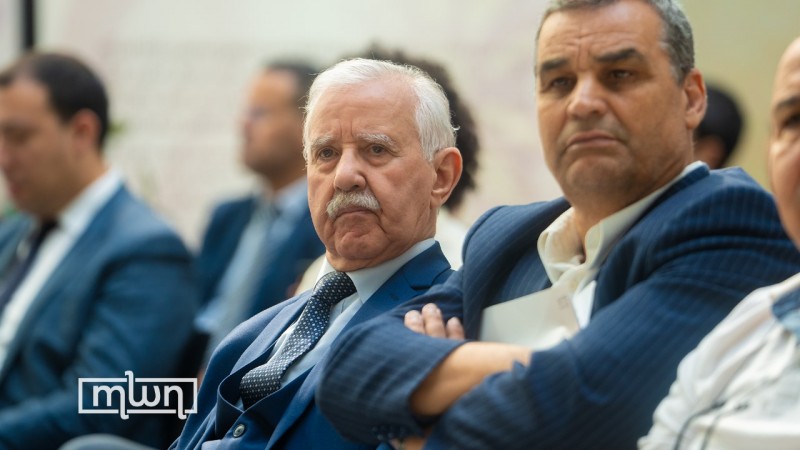
Attendees at the event
Benaajiba attributed this progress to the positive cooperation of all relevant entities involved in places of deprivation of liberty.
The interactive meeting provided a platform for discussions and insights into the challenges and successes of torture prevention efforts in Morocco.
The OPCAT was introduced in 2002 as an international human rights treaty aimed at preventing torture and other forms of cruel, inhuman, or degrading treatment or punishment.
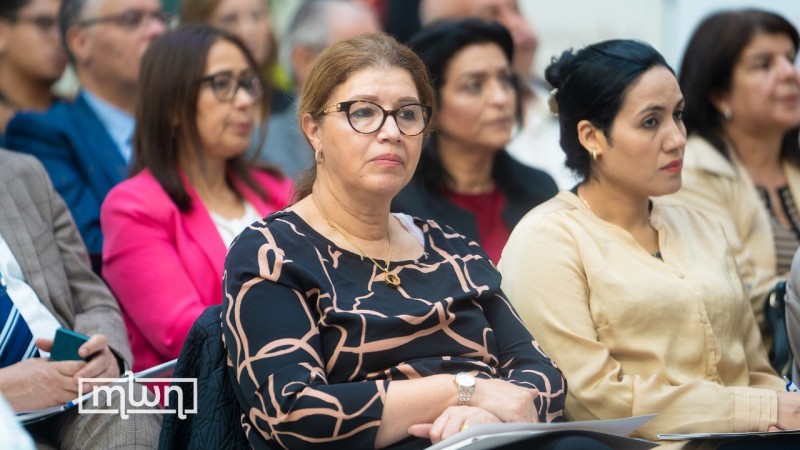
Attendees at the event
Morocco adopted the protocol on December 18, 2014, by depositing its instrument of ratification with the United Nations. The country has thus committed to establishing a system of regular visits by independent international and national bodies to places where individuals are deprived of their liberty, in order to prevent such abuses.
“States that ratify the OPCAT give the Subcommittee on Prevention of Torture and other Cruel, Inhuman or Degrading Treatment or Punishment (SPT) the right to visit their places of detention and examine the treatment of people held there,” according to the UN’s Human Rights Office.