Doha – As the sun dips below the horizon and the sickle moon heralds the end of Ramadan, a wave of joyful anticipation washes over the Kingdom. Families gather on rooftops, scanning the skies for a glimpse of the new moon that signifies the beginning of Eid al-Fitr, affectionately known as Eid Sghir or “the small feast.”
The streets come alive with the sounds of laughter, music, and cheerful greetings as friends and neighbors exchange warm wishes of “Awashrkum Mebrouka” and “Eid Mubarak.”
In homes across the country, the aromas of freshly baked sweets and savory dishes fill the air, creating a festive and inviting atmosphere. Before Eid, children excitedly try on their new clothes, eagerly awaiting the moment when they can proudly showcase them to the world. For Moroccans, Eid al-Fitr is more than just the end of a month of fasting; it is a celebration of family, community, and the enduring traditions that have shaped their identity for generations.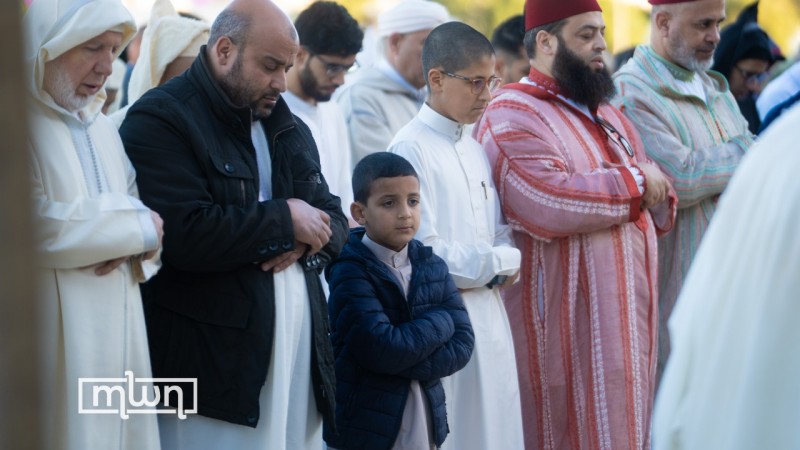
With the first rays of sunlight illuminating the sky on the morning of Eid, families don their finest traditional attire and make their way to the msella (an open space outside a mosque that is mainly used for praying) for the special Eid prayer. The streets are a sea of colors, with men in crisp white jellabas and women in elegant caftans adorned with intricate embroidery. The streets are filled with the sound of joyful greetings as friends and neighbors embrace, their faces radiant with the joy of the occasion.
Traditional sweets take center stage
At the heart of Eid celebrations in Morocco lies a delectable array of traditional sweets that have been passed down through generations. Women take great pride in preparing these delicacies, often gathering together in the days leading up to Eid to share recipes and laughter as they work.
Among the most beloved Eid treats in Morocco are “ghriba,” “fekkas,” and “kaab el ghazal,” as well as a variety of nuts and other essential supplies for this religious occasion, to adorn their tables with the most delicious and delightful dishes. The aroma of these sweets fills the air, mingling with the scent of mint tea and the sound of cheerful conversation.
Many families prefer to make their own sweets at home, viewing it as an opportunity to bond with loved ones and pass down cherished recipes to the next generation. Others choose to purchase sweets from local bakeries and pastry shops renowned for their mastery of traditional techniques.
On the morning of Eid, as the family gathers around the breakfast table, the homemade sweets take center stage, accompanied by an array of traditional Moroccan pastries like “msemen,” “baghrir,” and “harsha.” The table is a work of art, with each dish lovingly prepared and beautifully presented on ornate serving platters. Mint tea, served in intricately designed silver teapots reserved for special occasions, completes the festive spread.
Neighbors and relatives often exchange plates of sweets as a gesture of goodwill and shared celebration. This exchange of sweets serves as a reminder of the strong bonds of community and the importance of sharing in each other’s joys and blessings.
Read also: US News: Morocco Ranked Second in Africa for Its Rich Heritage
Dressing to impress in traditional attire
Eid al-Fitr is an occasion for Moroccans to showcase their finest traditional clothing, with each region boasting its own unique styles and embellishments. In the weeks leading up to the holiday, markets and shops are abuzz with activity as families shop for the perfect outfit.
Men often opt for a traditional jellaba, a long, loose-fitting robe with a pointed hood, while women grace the festivities in elegant caftans. Other traditional dresses worn by both men and women include jabadors and gandouras. These garments are adorned with intricate embroidery, delicate lace, and vibrant colors, each detail telling a story of the wearer’s heritage and regional identity.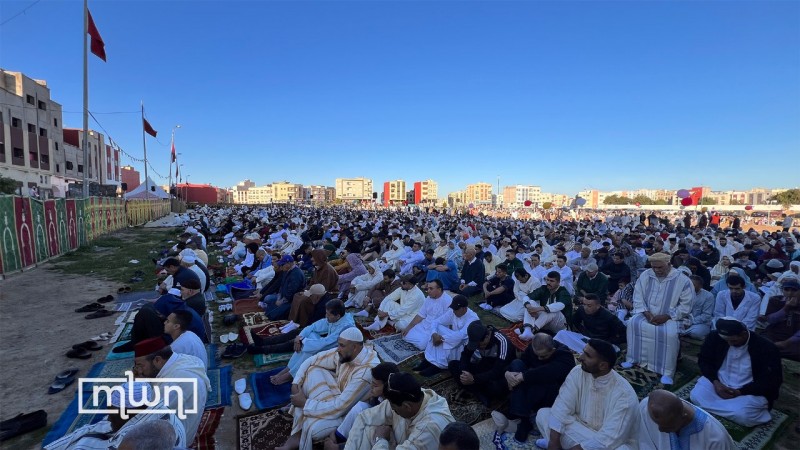
For children, Eid is a chance to dress up in miniature versions of traditional attire, with proud parents and grandparents delighting in the sight of the little ones carrying on the family’s sartorial traditions. The pure, uninhibited joy that lights up their faces as they twirl and pose in their new clothes, giggling and proudly showing off every detail, is a heartwarming reminder of the true magic of Eid through the eyes of a child.
While younger generations may gravitate towards more modern fashion, the importance of traditional clothing during Eid remains a cherished part of Moroccan culture. Dressing in these garments is a way to celebrate one’s heritage, express pride in one’s identity, and create a sense of unity and belonging during this special time.
Henna is considered one of the traditions associated with Eid al-Fitr. While older women tend to dye their hands with henna, young women and girls resort to professional henna artists to adorn their hands and feet with intricate henna designs in various geometric patterns. Henna holds a special place in Morocco, as it is strongly present in religious occasions and important celebrations. Moroccans consider it a symbol of optimism and joy.
Strengthening family ties and community bonds
Beyond the festivities and the feasts, Eid al-Fitr serves as a powerful reminder of the importance of family and community in Moroccan society. It is a time to strengthen bonds, seek forgiveness, and extend generosity to those in need.
For many Moroccans living in cities, Eid is an opportunity to return to their ancestral homes in smaller towns and villages, where extended families gather to celebrate together. The journey home is filled with anticipation and nostalgia, as memories of past Eids and the warmth of familial love beckon them back to their roots.
Generations come together to share in the Eid feast, a bountiful spread featuring savory dishes like roasted chicken, lamb tagine with prunes, and couscous with vegetables. The meal is a celebration of the abundance and blessings of the past year, and a prayer for continued prosperity in the year to come.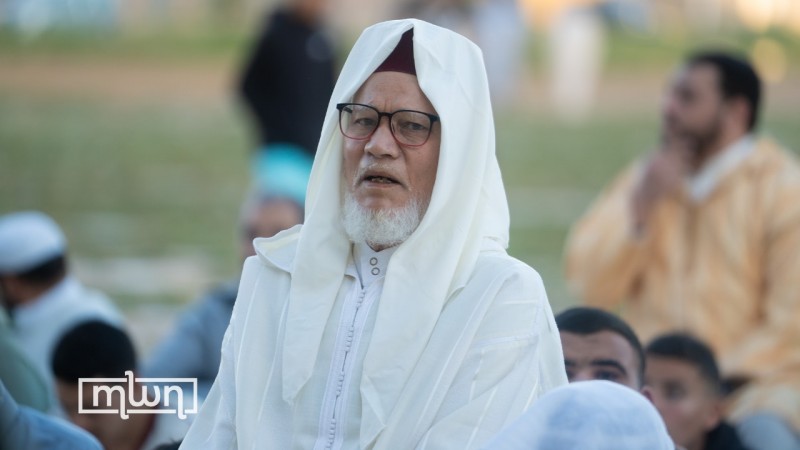
Children, resplendent in their new Eid attire, eagerly await the gifts of money or “tadouira” from their adult relatives. This cherished tradition not only brings joy to the little ones but also reinforces the sense of belonging and the importance of generosity within the family and community.
Zakat al-Fitr, also known as “fatra,” is an essential practice with which Moroccans conclude the month of fasting. They usually give it out on the night of Eid or on the morning of Eid to benefit the poor and needy in their family circle or neighbors.
The “neffar,” who diligently works for weeks to wake people up for the pre-dawn meal (Suhoor), also receives a share of the Zakat al-Fitr. Meanwhile, others prefer to give it to charitable organizations that take charge of distributing it to underprivileged families.
This year, Morocco’s High Council of Ulemas declared the Zakat al-Fitr amount for 2024 to be 20 Moroccan Dirhams ($1.9).
Eid is also a time for reconciliation and forgiveness, as past grievances are set aside and hearts are opened to new beginnings. Visits to family and friends’ homes are filled with laughter, heartfelt conversations, and the sharing of sweet memories. It is a reminder that, despite the challenges and differences that may arise throughout the year, the bonds of love and kinship remain unbreakable.
The spirit of generosity and compassion extends beyond the immediate family, as Moroccans go out of their way to ensure that no one is left out of the Eid celebrations. Charitable organizations and individual benefactors distribute food, clothing, and gifts to those in need, embodying the Islamic principles of solidarity and caring for one’s community.
A mosaic of regional traditions
While the essence of Eid al-Fitr remains the same across Morocco, each region adds its own unique customs and flavors to the tapestry of the celebration. From the rugged coastlines of the north to the sun-kissed dunes of the Sahara, the diversity of Moroccan culture shines through in the way each community marks this special occasion.
Amazigh people celebrate Eid al-Fitr with unique traditions. People wake up early to perform Eid rituals. They enjoy a traditional meal called “berkoukes n oudi,” made with wheat and homemade butter. Afterward, they join the procession heading to the msella, chanting religious invocations.
Following the Eid prayer, the crowds exchange greetings and congratulations in the msella. They then return to homes that remain open to the public, where anyone can visit and celebrate with the family, even if they are not acquainted with the hosts.
Over a session of tea accompanied by delightful sweets and a couscous dish for lunch, people engage in conversation, catch up on family news, and inquire about the well-being of the elderly. It is an occasion to reminisce about memories, anecdotes, or shared moments that connect the grandparents through strong relationships. It is also an opportunity to forge new acquaintances and friendships among those who were previously unfamiliar, with the primary goal of strengthening the bonds of love and unity among members of the family and tribe.
In the evening, people gather in a public square to discuss issues concerning the village, such as helping those in need, raising support for a project, resolving disputes, and other matters. The day concludes with a festive Ahidous dance, where women and men dress in traditional attire as the sound of tambourines sets the tone for the festive dance, and Amazigh chants and ululations mark the joyous celebration.
Read also: Eid Al Fitr: A Joyous Celebration Uniting Muslims Worldwide
The magic of Eid lives on
When the sun sets on the final day of Ramadan and the first stars appear in the night sky, Moroccans gather to break their fast one last time.
On the first day of Eid, as the enchanting melodies of Andalusi music dance through the atmosphere, families embark on visits to loved ones, exchanging greetings of “Awashrkum Mebrouka”.
In a world that often feels divided and uncertain, the essence of Eid al-Fitr in Morocco brings to light a beacon of love, compassion, and unity, showcasing the strength these timeless values hold in knitting the fabric of society closer together. As the sweets are savored and the new clothes are proudly worn, Moroccans renew their commitment to building a future rooted in the timeless wisdom of their ancestors.
For generations, Eid al-Fitr has been a beacon of light and hope for Moroccans, a time to come together and celebrate the very best of what it means to be human. And as the moon wanes and the festivities draw to a close, the spirit of Eid lives on in the hearts of all those who have been touched by its magic.