
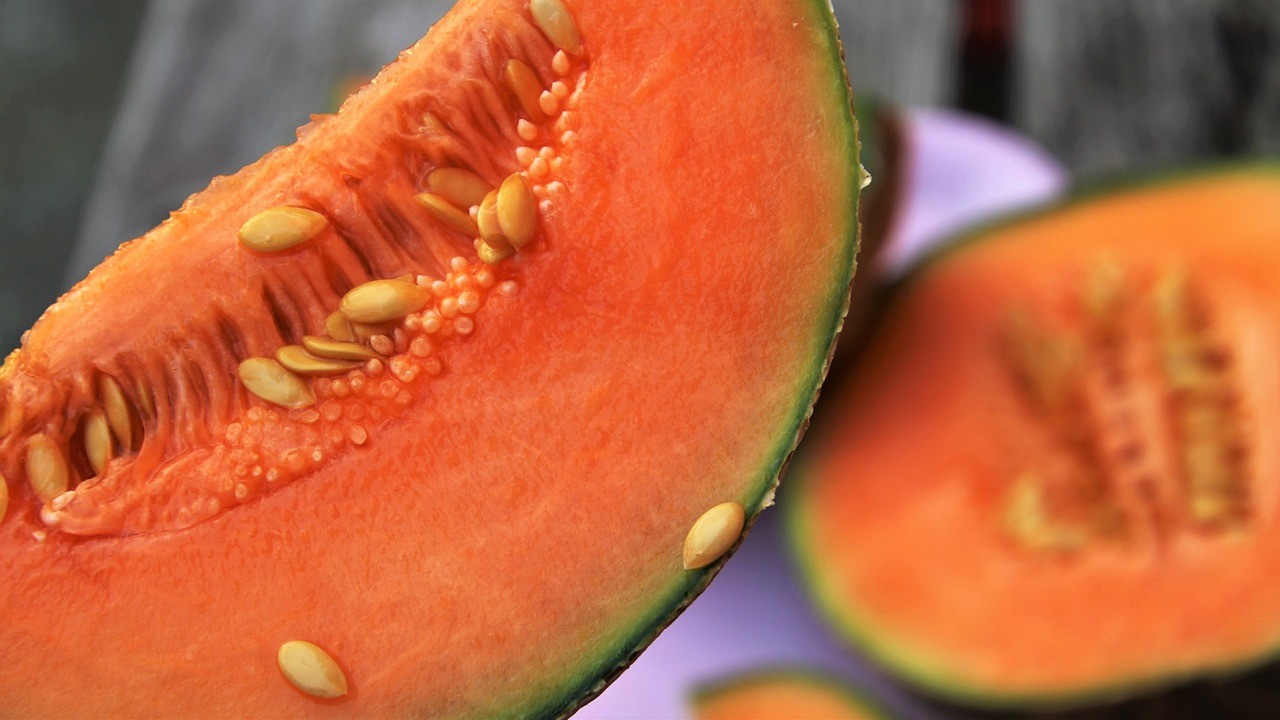
Rabat- Using the European Union’s Rapid Alert System for Food and Feed (RASFF), Spanish authorities issued on Friday a health alert on melons imported from Morocco containing “dangerous” levels of a pesticide.
According to Spanish media reports, analysis conducted at a border control point revealed residues of the pesticide chlorpyrifos exceeding permissible levels in the watermelons.
This development comes shortly after a similar alert just a month ago, where strawberries from Morocco were found to contain hepatitis A, posing a “serious risk” to consumers.
Morocco has been steadily increasing its export of melons to Spain over the past few decades. With production and exports doubling in recent years, the North African country has become a significant supplier of melons to Spain.
In the first nine months of 2023, Morocco exported an impressive 13,800 tons of melons to Spain, amounting to a value of 10 million dollars, according to data from East Fruit.
The RASFF system has classified the Moroccan watermelons as “potentially dangerous” due to exceeding the maximum permissible limit of 0.01 mg/kg for chlorpyrifos, which is an organophosphate insecticide commonly used in agriculture to control pests on crops and ticks on livestock.
The RASFF alert effectively stopped the distribution of the implicated Moroccan melons in Spain. But the decision was criticized for the lack of critical details in the announcement that claimed the discovery of “dangerous” pesticide levels in Moroccan exports.
In particular, the notification failed to specify the affected region in Morocco, the brand under which the melons were marketed, or the farm of origin.
Consumers in Actions (FACUA), a leading Spanish consumers’ rights advocacy group, has suggested this absence of sufficient transparency casts doubts on the authorities’ claim that Moroccan melons contain harmful substances. The group has urged the RASFF system to include more comprehensive information in forthcoming alerts.
FACUA’s statement adds to other critics’ suspicion that Spain may possibly be given in to recent protests by Spanish farmers over the increasing imports of Moroccan agricultural produce. With Moroccan fruits prized by Spanish consumers for both their affordability and quality, farmers in Spain recently staged a violent boycott of Morocco’s exports to Spain.
Previously, the Spanish government issued an alert concerning Moroccan strawberry exports to the EU in the immediate aftermath of the violent farmer protests. In response, Morocco’s National Office for Food Safety (ONSSA) dismissed the claims and stressed that all of Morocco’s strawberries exported to the EU market had been thoroughly tested in accordance with international standards and cleared of Hepatitis A contamination.
This latest alarm on Morocco’s melon exports comes on the heels of European farmers’ frustration with, and intense lobbying against the expanding presence of Moroccan produce in markets across the EU.
It remains to be seen whether Spain’s latest alert signals a policy of appeasing frustrated local farmers by taking steps to limit the country’s imports from Morocco without openly frustrating consumers who appear to have a preference for more affordable Moroccan products.