


 Join on WhatsApp
  Join on Telegram
 Rabat – Morocco finds itself in a troubling position in the realm of air pollution; the country is home to two of the top 10 hotspots for sulfur dioxide (SO2) emissions in Africa, according to a new report by Greenpeace MENA and Greenpeace Africa.
This data raises significant health concerns across North Africa, where air pollution is already a major public health crisis. The report, titled “Major Air Polluters in Africa Unmasked,” calls for immediate government action to address the issue.
The report focuses on emissions of nitrogen oxides, sulfur dioxide, volatile organic compounds, and fine particles, all of which contribute to the formation of PM2.5 – tiny, highly detrimental particles linked to numerous health issues and premature deaths.
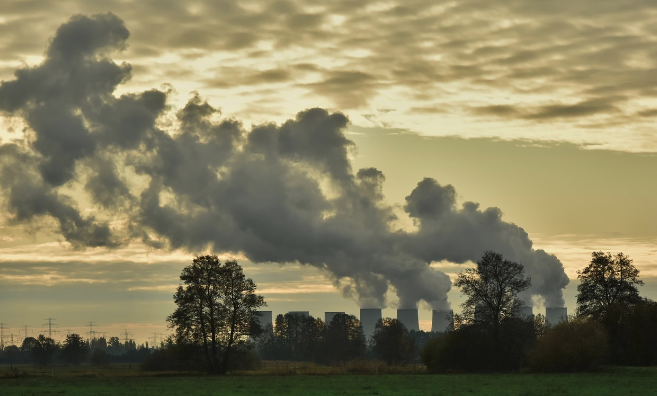
While the report doesn’t directly connect Morocco to such deaths, it identifies the country’s power plants in Mohammedia, Jorf Lasfar, and Safi as major SO2 emitters.
Previous studies by Greenpeace Southeast Asia suggest air pollution from Safi’s coal-fired plant alone could contribute to dozens of premature deaths annually.
Despite some positive signs, including a substantial decrease in SO2 emissions from Safi and Jorf Lasfar in 2023, Mohammedia’s coal plant saw a worrying 54% increase during the same period.
These findings highlight the urgent need for long-term solutions. Greenpeace’s research shows reducing PM2.5 to World Health Organization (WHO) guidelines could significantly improve life expectancy across North Africa, with Morocco potentially gaining an average of 0.4 years per person.
The report also emphasizes the economic impact of air pollution. Morocco’s Ministry of Energy Transition and Sustainable Development estimates environmental degradation costs the country 3.52% of its GDP annually, ata staggering 32.5 billion dirhams.
Recognizing the gravity of the situation, Morocco has implemented the National Air Plan (NAP) extending until 2030. The NAP includes technical measures, incentives, legal reforms, and public awareness campaigns.
Initiatives like an environmental tax on plastic and a revised waste management framework aim to promote recycling and reduce waste generation at the source.
Furthermore, the government is supporting industries transitioning to a greener model by providing financial aid for projects targeting waste treatment.
The battle for clean air in Morocco has just begun. Only time will tell if the implemented measures will be enough to curb pollution and safeguard public health for the future generations.


