


 Join on WhatsApp
  Join on Telegram
 Beni Mellal – The European Union’s Rapid Alert System for Food and Feed (RASFF) has once again raised concerns about food products from Morocco.
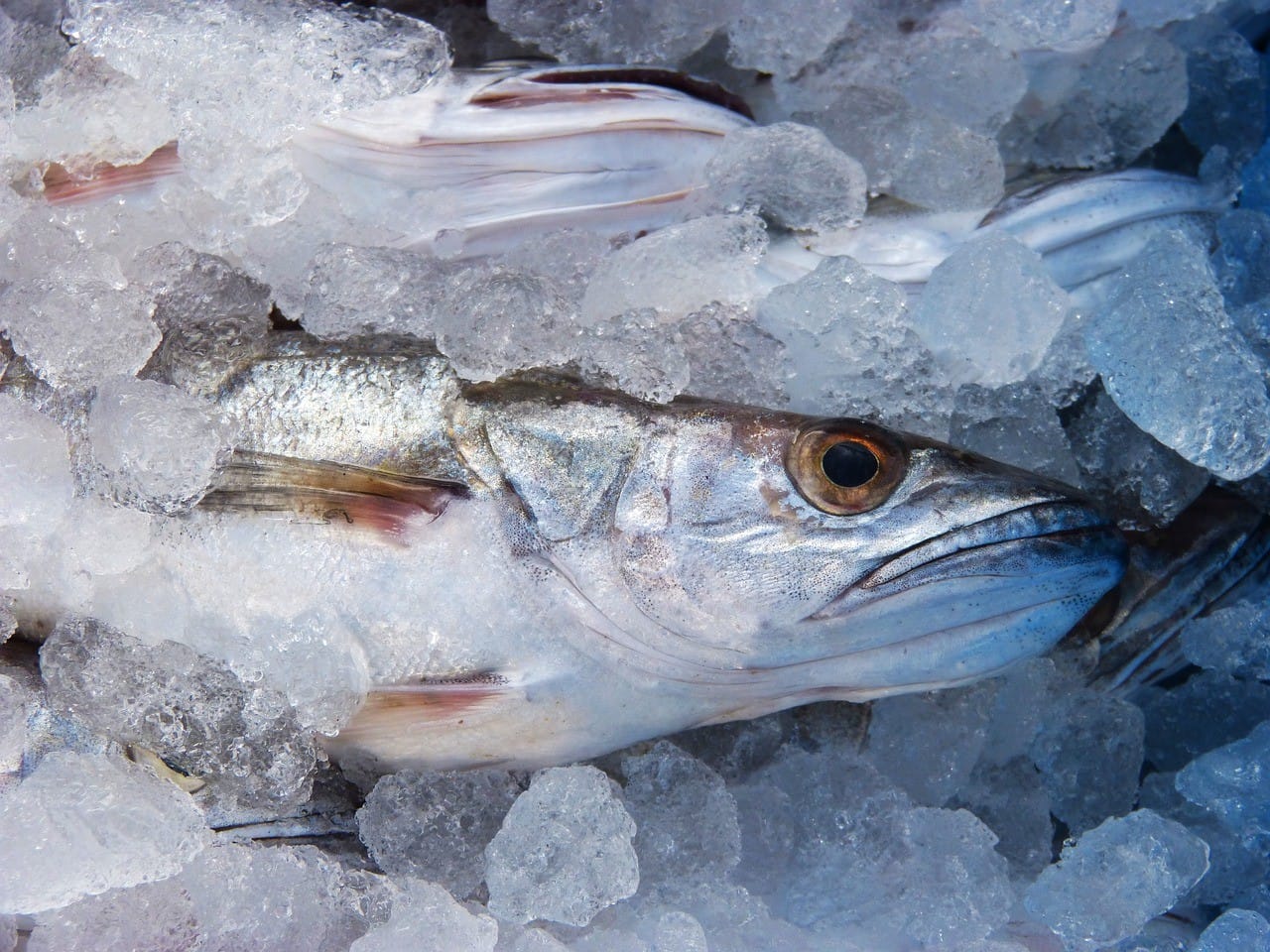
In the latest incident, the RASFF issued a serious health alert after detecting anisakis, a type of fish-parasitic worm, in hake fish from Morocco during border controls in Spain.
According to the RASFF’s alert notice from May 20, Spanish authorities immediately withdrew the affected product from the market, although it remains unclear whether other batches are still on sale.
The European organization classified the issue as serious but did not disclose the final destination of the product or the specific border crossing where the contaminated hake was discovered, adhering to their standard confidentiality policy.
Anisakis is a parasite that can be found in fish and cephalopods, such as squid, octopus, and cuttlefish. When consumed in raw or undercooked fish that has not been previously frozen, live larvae can enter the digestive system, causing anisakiasis.
Symptoms of anisakiasis include nausea, vomiting, and even intestinal obstruction. In addition to digestive problems, anisakis can also trigger severe allergic reactions ranging from hives to anaphylactic shock.
To prevent anisakis infection, the Spanish Agency for Food Safety and Nutrition (AESAN) recommends purchasing fish that has been cleaned and had its viscera removed.
If the fish is not obtained in these conditions, consumers should remove the intestines as soon as possible before preparing the fish by cooking, frying, baking, or grilling, ensuring that the entire piece reaches a temperature of 60°C.
For raw or minimally cooked fish preparations, such as sushi, sashimi, or ceviche, as well as marinated fish and lightly salted or brined fish, prior freezing is necessary. Home freezers should maintain a temperature of -20°C or lower and keep the product frozen for at least five days to effectively kill the parasite.
This latest incident follows a series of alerts issued by the RASFF regarding Moroccan food products. In April, the RASFF warned about melons from Morocco containing pesticide residues above permitted levels.
Earlier this year, in February and March, the RASFF also raised concerns about a shipment of Moroccan strawberries bound for Spain, which led to protests among Spanish farmers worried about competition.
However, Morocco’s National Office of Health Safety (ONSSA) conducted verifications and announced negative results for hepatitis A and norovirus in the irrigation water used in the strawberry fields.


