Rabat – The Moroccan Minister of National Education and Primary Education, Chakib Benmoussa, has stated that, despite prior rumors, the suspension of hundreds of Moroccan teachers was not due to their participation in past protests against the fundamental system.
Instead, he attributed the suspensions to what he described as “practices and behaviors that infringe upon the sanctity of institutions and the freedom of students in their education.” Benmoussa made the statement during a session of oral questions with the Council of Advisers on Tuesday.
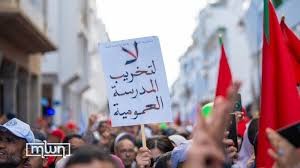
Meanwhile, teacher coalitions have been organizing nationwide strikes to protest what they describe as “arbitrary suspensions and injustices” within the Moroccan education sector.
The striking teachers were reportedly suspended following their participation in protests against the implementation of the controversial system. They were allegedly accused of unjustified absence from work and incitement, which led to their suspension.
Benmoussa said that meetings have been held and decisions have been made since the teachers’ referral to the disciplinary councils of the regional academies for education and training. Meanwhile, the cases remain ongoing.
He said that more than two-thirds of the suspended teachers have resumed their work and received their salaries as usual, leaving less than 200 teachers still suspended.
The disciplinary councils began holding meetings since last Friday, the minister added. He affirmed that all legal guarantees are in place for the operation of these councils, which he emphasized are independent.
“The matter is not related to the ministry’s efforts to release a certain number of suspended teachers,” Benmoussa added.
He stated that the disciplinary councils are legal entities that hold their meetings and will make decisions.
“The most important thing is fairness in handling each case individually because we do not want to enter into a cycle of tension within the system, but we consider that there are laws and procedures that must be respected, and work should be left to these disciplinary councils,” the minister stressed.
Benmoussa concluded that the disciplinary councils will work flexibly and that there is no pressure from the ministry or the minister himself.