 Join on WhatsApp
 Join on Telegram
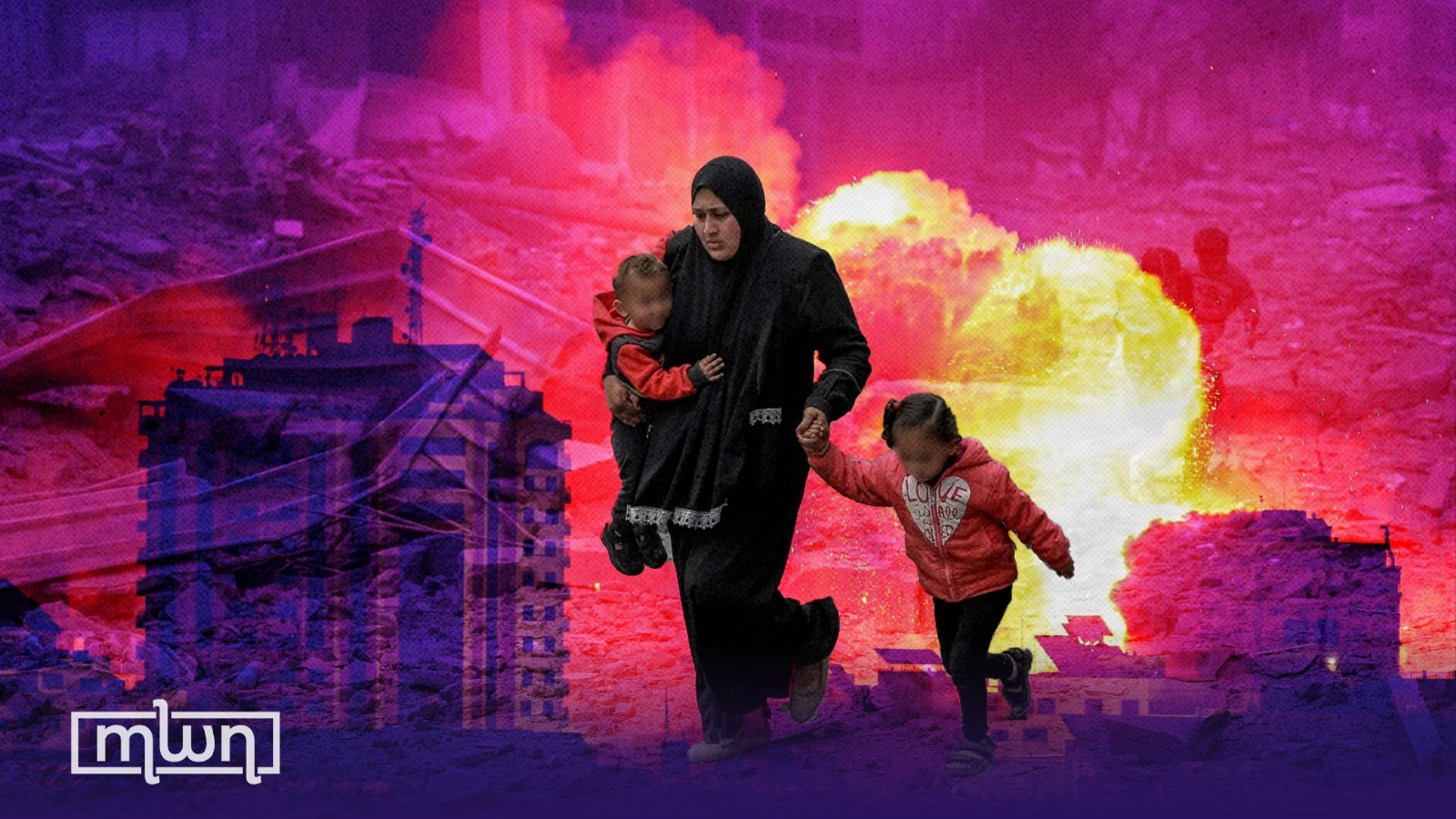
In the heart of the ongoing war on Gaza, the impact of violence on civilians’ day-to-day lives is profound and pervasive. With each passing day, families living in Gaza are faced with the grim reality of navigating through a landscape marred by destruction, fear, and uncertainty.
Meanwhile, humanitarian organizations grapple with immense challenges and are working tirelessly to deliver life-saving aid to those caught in the crossfire.
The human cost of violence – children at the brink
The United Nations has documented a staggering 3,931 verified instances of denial of humanitarian access in 2022, with the highest figures reported in the Occupied Palestinian Territory, including Gaza.
These deliberate actions by the Israeli Occupation Forces (IOF) intentionally deprive children of assistance that could save their lives. Malnutrition, dehydration, and preventable deaths are few of the consequences.
Dozens of children in northern Gaza have succumbed to these harsh conditions in recent weeks. The psychological toll is also immense with the sounds of explosions and the sight of rubble serving as constant reminders of the harsh realities of war, leaving lasting scars on young minds.
It is estimated that 14,778 children have been killed in the Gaza Strip since the attacks began on October 7, with hundreds more missing and possibly trapped under the rubble. This means that on average, one child in Gaza has been killed every 10 minutes during this period.

Interrupted education
Schools in Gaza also bear the scars of the IOF’s bloody war. The violence has directly targeted numerous educational facilities, compounding the crisis.
As of late March 2024, the United Nations has documented over 200 Israeli attacks on schools in Gaza. Shockingly, at least 53 schools lay in ruins, their classrooms reduced to rubble and their halls echoing with the echoes of destruction. These numbers, already staggering, are likely to evolve as the situation unfolds.
Widespread destruction of logistical infrastructure repeated denials for humanitarian convoys, and blackouts in electricity and telecommunications have disrupted learning for an entire generation.
Children face not only the trauma of violence but also the loss of educational opportunities that could shape their entire future.

Struggles faced by humanitarian organizations
Humanitarian organizations operating in Gaza also have to confront formidable barriers.
One such challenge concerns logistical operations. The destruction of roads, bridges, and supply routes hampers the movement of aid. Quasi-blockades by the IOF further exacerbate the situation, limiting access to critical areas where aid is needed.
There are only three crossings into Gaza – Erez and Kerem Shalom controlled by Israel, and Rafah controlled by Egypt – which are heavily regulated. Israel allows only limited applications for laborers and humanitarian reasons through Erez. The Egyptian authorities have also closed the Rafah border crossing with Gaza for long periods after 2014 following political unrest in Egypt.
Additionally, convoy access is repeatedly denied or delayed by the IOF, hindering the timely delivery of food, medicine, and other essentials. As a result, the lives of vulnerable populations hang in the balance.
Within this humanitarian chaos is the destruction of infrastructure. On October 9, 2023, Israel’s Defense Minister Yoav Gallant ordered a “complete siege” on the Gaza Strip, including the halting of electricity, food, water, and fuel sent to Gaza from Israel.
This policy of intentional destruction of water and sanitation facilities by the IOF has further compounded the crisis. In terms of water and sanitation, only one out of the three water pipelines coming from Israel is operational.
The scarcity of water has forced many Gazans to resort to unsafe sources. As many as 70% of Gazans are now drinking salty and contaminated water straight from wells. This has led to widespread health risks.The situation is particularly challenging in shelters, where there is only one toilet for 700 people.
Humanitarian personnel operate under constant threat. Attacks on civilian infrastructure and violence against aid workers jeopardise their safety. The United Nations reports that a total of 103 UN aid workers have been killed in Gaza since Israel launched its brutal Gaza campaign, adding to the grim toll of humanitarian personnel operating under constant threat.
Attacks on civilian infrastructure and violence against aid workers jeopardize their safety. On April 4, 2024, seven aid workers from the World Central Kitchen (WCK) were killed in an Israeli airstrike in Gaza.

Solutions and urgent calls for action
Many in the international community have raised their voices on multiple occasions, calling out war crimes and demanding accountability.
One such instance was with Virginia Gamba, Special Representative of the Secretary-General for Children and Armed Conflict, who has emphasized to the UN that all parties must be held accountable for preventing children from receiving life-saving assistance.
The international community must come together to ensure that aid reaches those in need, and within this context, advocacy, diplomatic pressure, and sustained engagement are essential.
Global Awareness
As the denial of humanitarian access continues to escalate, it is imperative to raise global awareness.
The plight of Gaza’s children demands urgent attention. Their right to life, education, and health hangs in the balance. It is the job of the international community to break the cycle of violence and stop this war to prioritize humanity.
In the heart of Gaza, where resilience meets despair, hope flickers. But hope alone cannot mend broken lives. As things currently stand, there is an urgent need for collective action, unwavering commitment, and a relentless pursuit of peace.