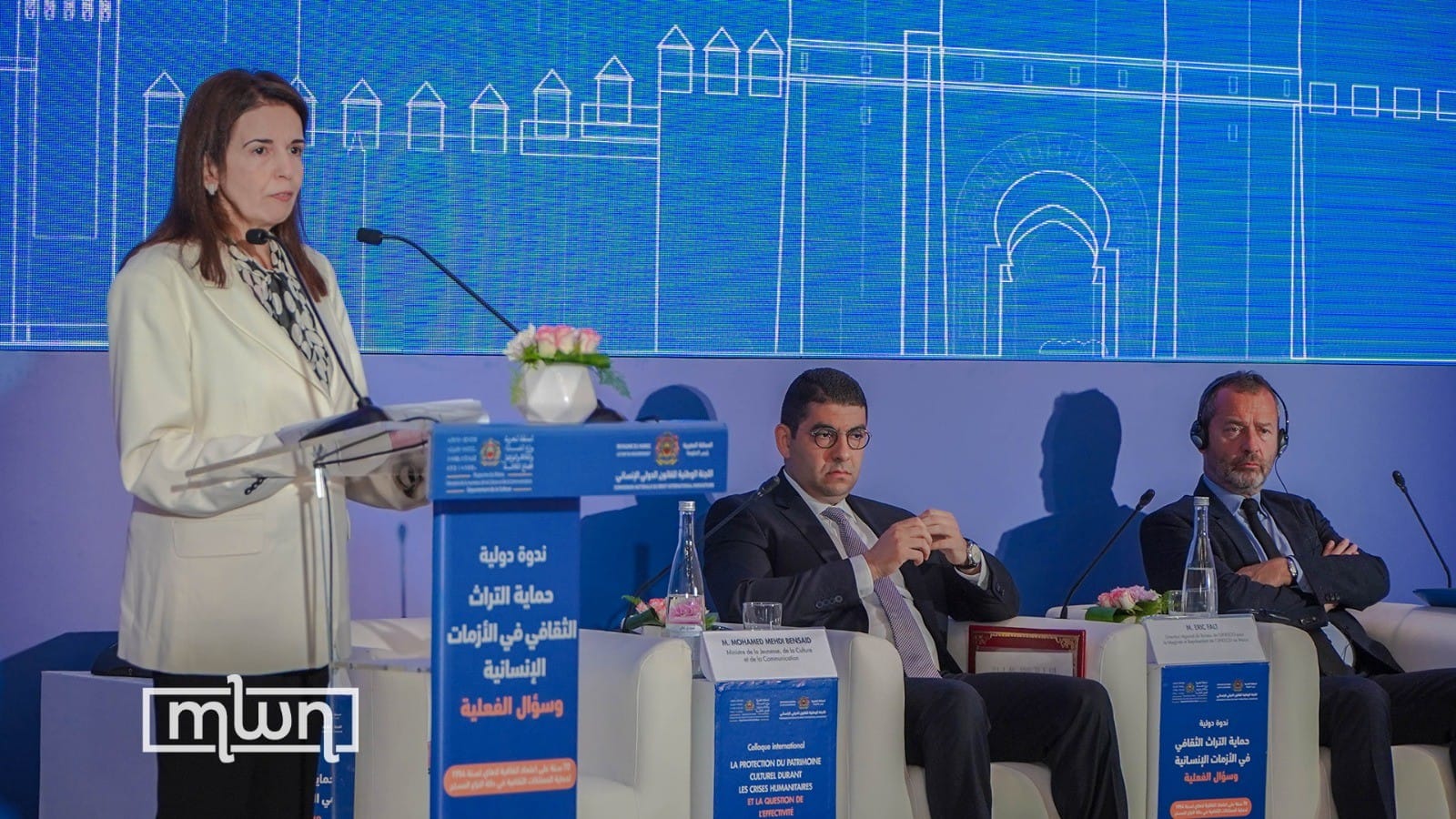
Rabat – In an era of increasing global conflicts, the protection of cultural heritage has become an urgent international priority.
To address this critical issue, the National Commission on International Humanitarian Law of Morocco convened today an international symposium in Rabat, marking the 70th anniversary of the 1954 Hague Convention for the Protection of Cultural Property in the Event of Armed Conflict.
The event focused on “Protection of Cultural Heritage during Humanitarian Crises and the Issue of Effectiveness,” drawing a diverse group of experts and leaders to discuss strategies for safeguarding cultural heritage.
The symposium featured prominent figures such as Mohamed Mehdi Bensaid, Minister of Youth, Culture, and Communication; Farida El Khamlichi, President of the National Commission on International Humanitarian Law; and Eric Falt, Director of the UNESCO Office in Morocco and UNESCO Representative for the Maghreb.
Their discussions highlighted the escalating threats to cultural heritage in conflict zones and underscored the need for robust international cooperation and legal frameworks to protect these invaluable assets.
A call for unified action
Minister Bensaid delivered a compelling speech on the universal significance of culture. “Culture unites us despite our differences,” he said. “Yet, it is often the first victim of conflicts. Our heritage, in its tangible and intangible forms, suffers greatly from the impacts of these clashes.
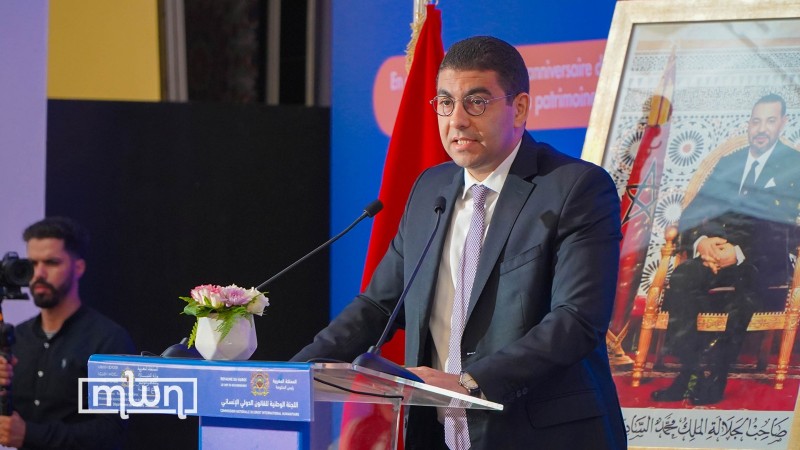
Mohamed Mehdi Bensaid, Minister of Youth, Culture, and Communication
Bensaid emphasized the importance of the 1954 Hague Convention in offering a pathway for preserving cultural heritage amid growing geopolitical tensions.
Underlining Morocco’s commitment to cultural preservation, Bensaid highlighted the country’s collaboration with UNESCO to protect cultural heritage on both African and international levels.
He also noted Morocco’s active role in the ALIPH (International Alliance for the Protection of Heritage in Conflict Areas) initiative, which aims to defend and promote heritage in conflict zones globally.
National and international efforts
Farida El Khamlichi stressed the importance of the symposium in raising awareness and promoting international humanitarian law. She reflected on Morocco’s ongoing efforts since joining the 1954 Hague Convention and its first protocol in 1968, as well as subsequent ratifications of related international treaties.
“This symposium is a new milestone in our journey,” El Khamlichi said. “It reaffirms our commitment to protecting cultural property as a testament to the history of nations and peoples.”
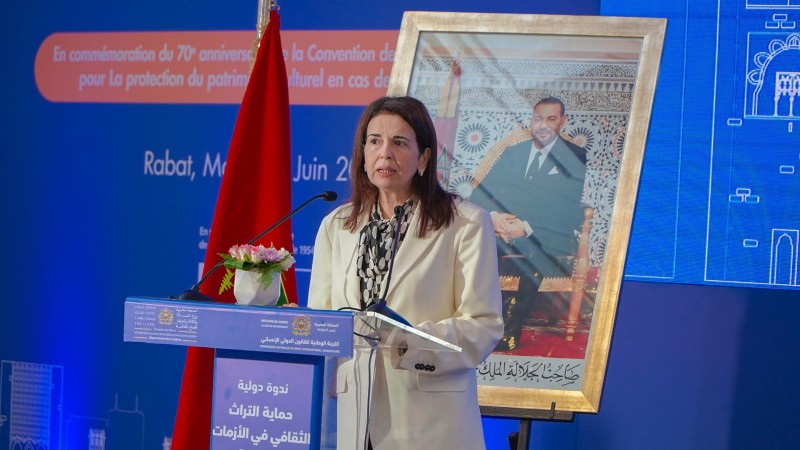
Farida El Khamlichi, President of the National Commission on International Humanitarian Law
She highlighted Morocco’s significant achievements, including its numerous cultural registrations on UNESCO’s World Heritage List and various initiatives aimed at preserving and enhancing its cultural heritage.
These efforts are bolstered by Morocco’s constitutional commitment to international humanitarian law, which lays a solid foundation for the country’s engagement in global cultural preservation efforts.
Eric Falt of UNESCO provided a historical context to the discussions, recalling how victors throughout history have often destroyed the cultural symbols of the vanquished.
“This erasure of collective memory has been a dark facet of humanity’s conflicts,” he noted. Falt also pointed out that while some 20th-century conflicts did not systematically target cultural heritage, the damage inflicted was still profound and long-lasting.
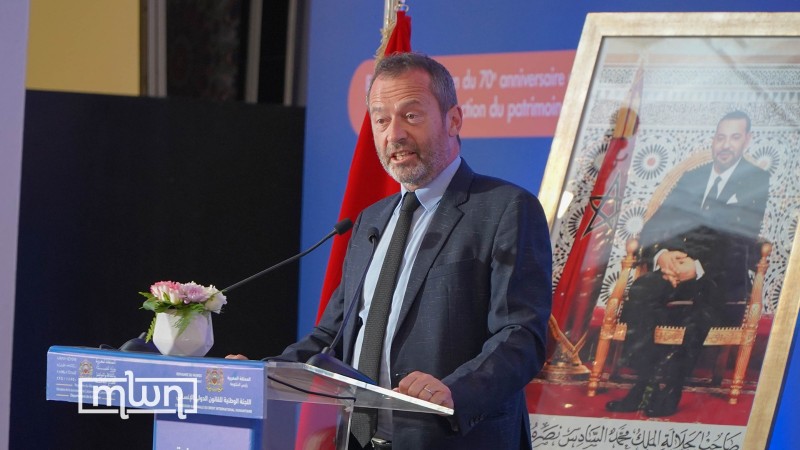
Eric Falt, Director of the UNESCO Office in Morocco and UNESCO Representative for the Maghreb
Falt called for increased international collaboration to prevent further destruction of cultural heritage. He emphasized the importance of frameworks like the Hague Convention and the role of organizations such as UNESCO in coordinating global efforts to safeguard cultural assets.
A legacy of protection
The 1954 Hague Convention, adopted in the aftermath of World War II, stands as a cornerstone of international efforts to protect cultural heritage. Ratified by 135 countries, it underscores the global recognition of cultural heritage as a vital component of humanity’s collective history.
The Convention’s preamble states that “damage to cultural property, irrespective of the people it belongs to, means damage to the cultural heritage of all mankind.”
In his remarks, Miguel Ángel Moratinos highlighted the ongoing challenges and the need for renewed commitment. “We must revisit and reinforce our efforts to protect cultural heritage in the face of contemporary conflicts and crises,” he urged.
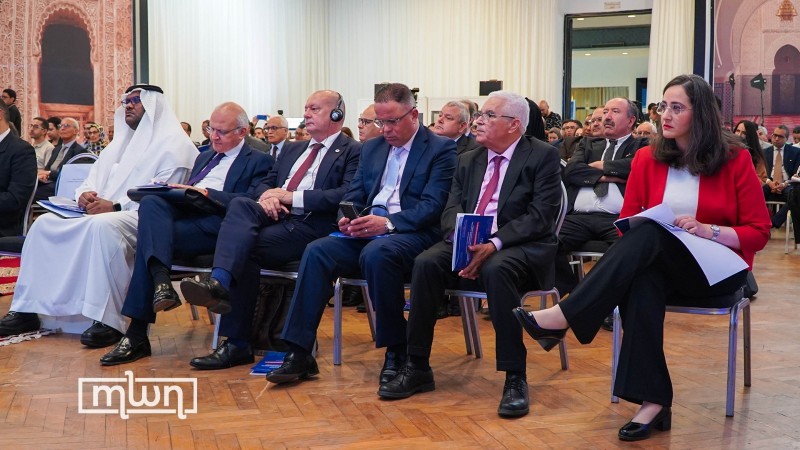
Global Experts Discuss in Rabat Challenges for Protecting Cultural Heritage in Conflict Zones
He praised Morocco’s leadership and its strategic role in promoting cultural understanding and cooperation, particularly through initiatives like the General Assembly’s Resolution 328-33, aimed at combating hate speech and promoting cultural tolerance.
Current challenges and future strategies
As the symposium continued, Christa Picquart, Director of Culture in Emergency Situations at UNESCO, presented on the organization’s extensive experience in crisis preparation and response.

Christa Picquart, Director of Culture in Emergency Situations at UNESCO
She outlined the specific efforts in the Maghreb region, where countries like Morocco, Algeria, Libya, Mauritania, and Tunisia have ratified nearly all UNESCO conventions related to cultural heritage protection.
Despite this progress, challenges remain, particularly in fully implementing the 1954 Hague Convention and its protocols.
The symposium’s discussions also reflected on recent acts of cultural destruction by terrorist groups, which have heightened the urgency for stronger international measures.
UN Security Council Resolution 2347, adopted in 2017, condemns the unlawful destruction of cultural heritage and highlights the link between cultural erasure and prolonged conflict.