 Join on WhatsApp
 Join on Telegram
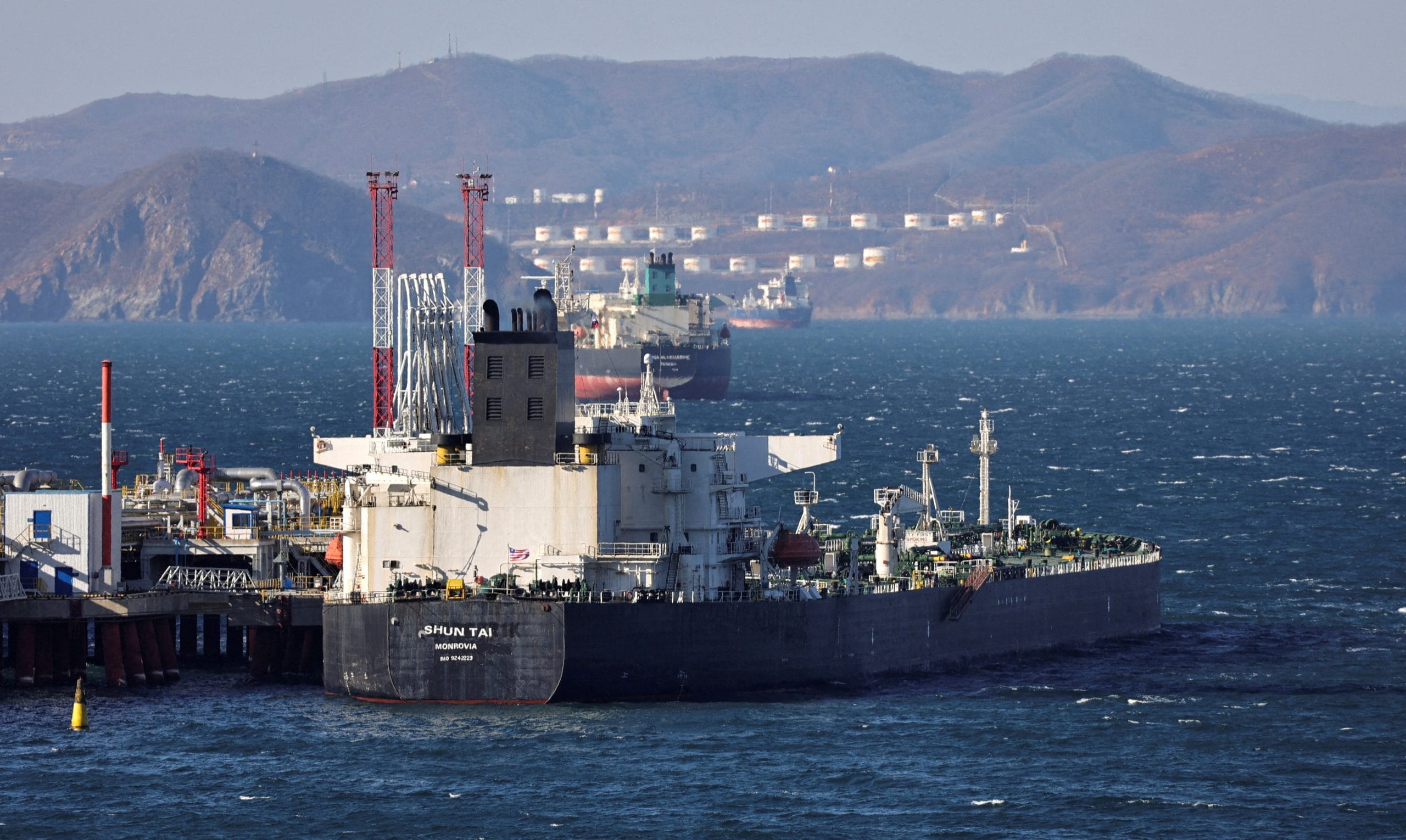
Rabat – Morocco’s petroleum industry is getting a shot in the arm with the upcoming arrival of a second South Korean-made oil tanker, slated for domestic assembly.
This new vessel, ordered by Moroccan petroleum company Petrocab, builds on the success of the first tanker, the “Challah,” delivered in late 2022.
The order reflects not only Morocco’s commitment to strengthening its domestic oil distribution network but also a growing partnership with South Korean shipbuilder Dae Sun Shipbuilding & Engineering.
The key difference this time around lies in the assembly process. Unlike the “Challah,” which was built entirely in South Korea before delivery, the new tanker will be constructed in parts and assembled directly at the Casablanca shipyard.
Upon completion, the new tanker will join Morocco’s existing fleet of 15 commercial ships, bringing the total number of oil tankers to five. This expansion will significantly boost the country’s hydrocarbon transport capacity to over 30,000 tons.
The “Challah,” named after the historic site in Rabat, serves as a prime example of the impact these tankers can have. This 9,000 dwt (deadweight tonnage) vessel, valued at $20 million, is currently operational for several major oil companies in Morocco, including Vivo Energy Morocco (Shell), Libya Oil Morocco, and Total Morocco.
Additionally, national entities like Société Nationale des Produits Pétroliers (SNPP), Pétrole du Maghreb (Petrom), and Compagnie Marocaine d’hydrocarbure (CMH) hold shares in Petrocab.
The acquisition of this new tanker underscores Morocco’s strategic vision for its domestic oil sector. A robust oil fleet is crucial for efficient distribution of petroleum products throughout the country.
Furthermore, Petrocab’s move positions the company to potentially play a vital role in the upcoming Nador West Med port project, a major hub for petroleum storage and distribution.
This ambitious project, boasting a capacity of 3 million containers and 25 million tons of hydrocarbons, is strategically located to not only serve national fuel distributors but also attract international oil transporters.
The arrival of the new tanker, coupled with Petrocab’s potential involvement in Nador West Med, signifies a promising future for Morocco’s oil industry, driven by domestic expertise and international partnerships.