 Join on WhatsApp
 Join on Telegram
Rabat – Morocco’s medical education system faces a potential turning point as a weeks-long student strike nears resolution, with most grievances addressed except for the central issue of program duration.
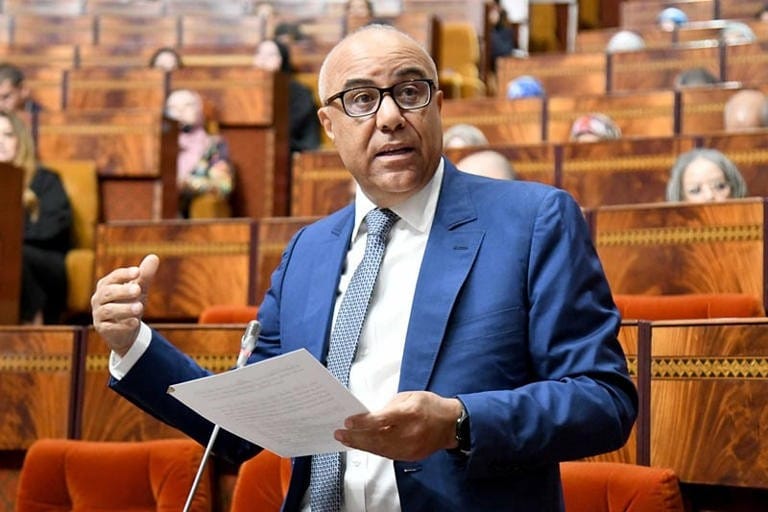
On July 15, Minister of Higher Education, Scientific Research and Innovation Abdellatif Miraoui announced progress in negotiations with striking medical and pharmacy students, facilitated by parliamentarians.
While acknowledging positive steps, student groups remain resolute in their demand to reverse the government’s decision to shorten medical studies from seven to six years.
The government has offered a compromise, allowing flexibility for sixth-year students by permitting them to pursue optional training courses.
Miraoui framed this as a “positive decision” aimed at addressing student concerns. However, it falls short of the complete reversal that student groups are seeking.
Concerned about the disruption to the academic calendar, Miraoui urged students to return to classes and participate in upcoming make-up sessions scheduled for July and September.
He emphasized the “flexibility” demonstrated by his department in offering optional internships, highlighting what he considers a responsive approach to student grievances.
In a further conciliatory move, Miraoui hinted at the potential cancellation of disciplinary actions taken against some striking students. “Let’s save the academic year first,” he said, “then we can address the question of disciplinary measures.”
While the government’s concessions and Miraoui’s conciliatory tone suggest progress, the unresolved issue of program duration presents a significant hurdle.
Students argue that a reduced program translates to a compromised education, potentially impacting their preparedness for future medical practice.
They fear a rushed curriculum will limit their ability to acquire essential skills and knowledge, ultimately hindering patient care.
The government, on the other hand, maintains that the revised program upholds educational standards while streamlining the process.
They point to the option of additional training for sixth-year students as evidence of their commitment to ensuring adequate preparation.
Additionally, they likely face pressure to improve the efficiency of the medical education system, potentially addressing concerns about graduate debt or shortening the time it takes for qualified doctors to enter the workforce.
The possibility of students returning to classes to avoid losing the academic year suggests a potential compromise. However, the core issue of curriculum reduction is likely to remain a point of debate.
Student groups may continue protests and lobbying efforts, potentially reigniting the strike if they feel the government’s concessions are insufficient.
The situation hinges on whether a solution can be found that addresses student concerns about the quality of their education while aligning with the government’s goals for the medical education system.