


 Join on WhatsApp
  Join on Telegram
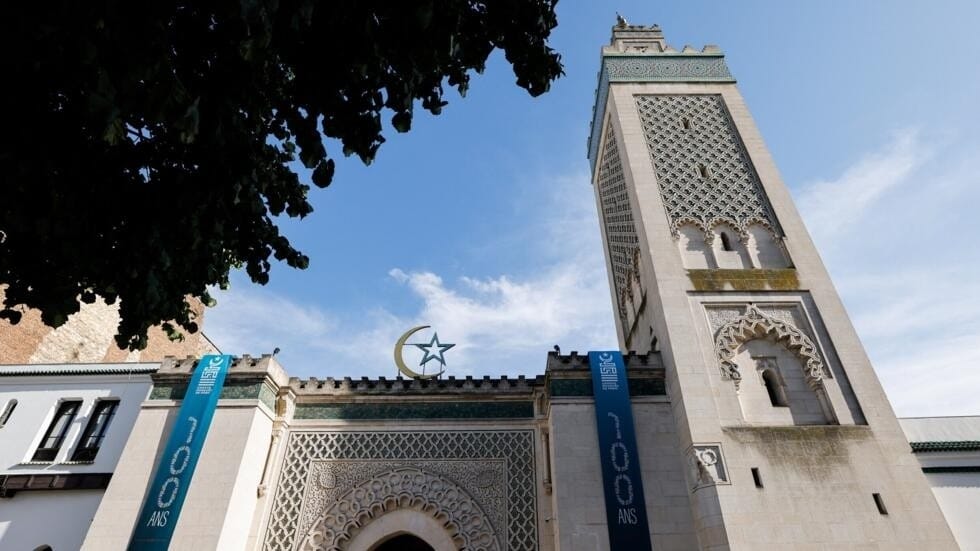
 Marrakech – The Olympic flame will make a special stop at the Grande Mosquée de Paris during its journey through the French capital on Sunday, July 14 at 3 p.m.
This historical, exceptional event will require the mosque to close its doors between 12 p.m. and 5 p.m. on that day, and it will not be able to organize the Dhor prayer.
The Olympic flame, a symbol of peace, unity, and friendship between peoples, is the first big festive moment of the Games. It brings together all those who gather to see it pass through its 10,000 torchbearers who will have the honor of carrying it. It has been traveling across France since May 8.
In Paris, it will pass through the city for the first time on July 14 and 15, before ending its journey on July 26 for the opening ceremony and the lighting of the Olympic cauldron. During the night of July 14 to 15, it will remain at the Hôtel de Ville, and will leave on the evening of July 15 to travel the rest of France.
The Grande Mosquée de Paris is one of the great symbols of Moroccan architecture in France.
In 1922, Sultan Moulay Youssef of Morocco ordered the construction of the mosque in Paris. The property belongs to the “Société des Habous et des lieux saints,” which was founded in 1917 at the Royal Palace in Rabat, and in charge of organizing key religious activities.
The mosque was built to honor the 100,000 Muslim soldiers who died fighting for France in World War I.
The intermediary in the construction process was Hubert Lyautey, who lauded the Sultan’s name as highly acclaimed at the groundbreaking ceremony. The first dig was made by the grand vizir El Mokri.
The mosque was officially inaugurated in July 1926 in the presence of Sultan Moulay Youssef and French President Gaston Doumergue.
Its architecture was inspired by the Al Qaraouiyine Mosque in Fez, which was designed in the Almohad Moroccan style by French architects. To add the Moroccan touch, the plans were executed by Moroccan craftsmen specially sent from Fez to Paris to add unique cultural embellishments, notably one being the zellige tilework.
The mosque’s history is shown in important documents including dahirs (royal decrees), correspondences, and architectural blueprints. The mosque’s distinctive Moroccan architecture and decor are all testaments to its true cultural origins, despite later attempts by Algeria to appropriate it.
The mosque’s complex includes a 32-meter-high minaret, a conference room, a hammam, a library, and hotel rooms for distinguished visitors.
Read also: Paris Olympics 2024: France Minister Thanks Moroccan Security Services for Logistical Support


