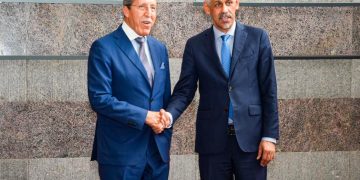

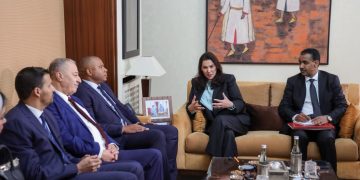






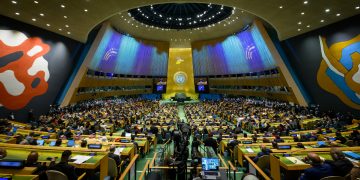















































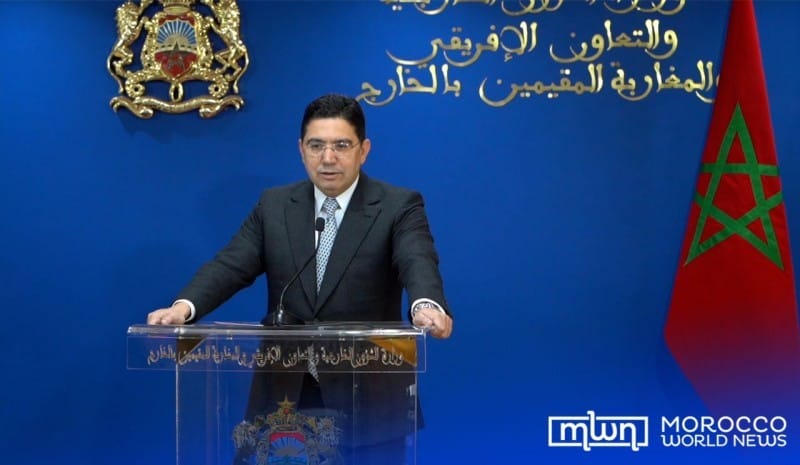
Rabat – In a statement highlighting Rabat’s commitment to resolving the Libyan crisis, Nasser Bourita, Morocco Minister of Foreign Affairs, reiterated the necessity of the United Nations’ involvement in legitimizing any peace process.
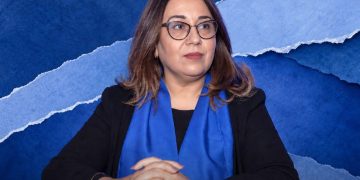
Speaking today in Rabat after discussions with Stephanie Khoury, the Acting Special Representative of the UN Secretary-General for Libya, Bourita highlighted Morocco’s steadfast position.
Bourita emphasized that Morocco has consistently advocated for the UN’s oversight and involvement in all diplomatic efforts regarding Libya.
This stance has been evident since the inter-Libyan dialogue in Skhirat, where Morocco collaborated closely with the UN, as well as in subsequent meetings in Bouznika and other locations.
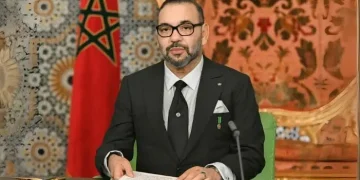
The minister’s comments followed Khoury’s working visit, which aimed to enhance coordination and consultation between Morocco and the UN, reflecting the high directives of King Mohammed VI.
The Foreign Minister pointed out that Morocco’s actions concerning Libya are always conducted in consultation with the UN, recognizing its role as the primary sponsor of the Libyan peace process.
This approach is rooted in the strong historical and human connections between the Moroccan and Libyan peoples.
Bourita underscored that the current conditions in Libya are conducive to advancing the peace process, reiterating Morocco’s belief that the resolution of the Libyan crisis must come from within Libya, primarily through legitimate elections.
Morocco, according to Bourita, maintains respectful and credible relationships with all Libyan institutions and parties, operating on principles of mutual respect.
This strategy aims to facilitate progress in addressing the critical security and economic challenges facing Libya, as well as the urgent social demands of its people.
The minister also stressed the broader regional implications of the Libyan crisis, noting its significant impact on the security and stability of North Africa and the Sahel. Therefore, resolving the crisis is not only a national priority for Libya but also a regional imperative.
Bourita concluded by emphasizing the importance of injecting new momentum into the peace process through collaborative efforts, reinforcing Morocco’s role as a key player in fostering stability in the region.