 Join on WhatsApp
 Join on Telegram
Doha – The European Union is preparing to launch a new electronic travel authorization system in the spring of 2025 that will require visitors from current visa-exempt countries like the US, UK, Canada, Australia, and Japan to apply for a €7 travel permit prior to entry.
However, the new ETIAS system will not change visa requirements for Moroccans and other nationalities that currently require a Schengen visa to visit Europe.
Under the European Travel Information and Authorization System (ETIAS), travelers from 63 visa waiver countries will need to fill out an online application and pay a €7 fee before visiting the 27 countries of the Schengen zone.
Most applications are expected to be approved via email within an hour. The EU expects over 95% of applications to be approved via email within an hour, though some may take up to 96 hours if additional checks are needed.
The travel permit will be valid for 3 years or until the traveler’s passport expires.
The European Commission characterizes the new system, first proposed in 2016, as a “necessary and small procedural step.” It says that it aims to strengthen the bloc’s external borders and improve security in response to migration and terrorism concerns.
According to their website, ETIAS will help EU member states “assess potential risks” posed by visa-free travelers entering the bloc.
The system aims to prevent “cross-border crime and terrorism” and enable the EU to identify those that may pose a security threat before they reach European borders.
However, the system’s original early 2024 launch date has been pushed back to allow more time to develop the needed technology infrastructure.
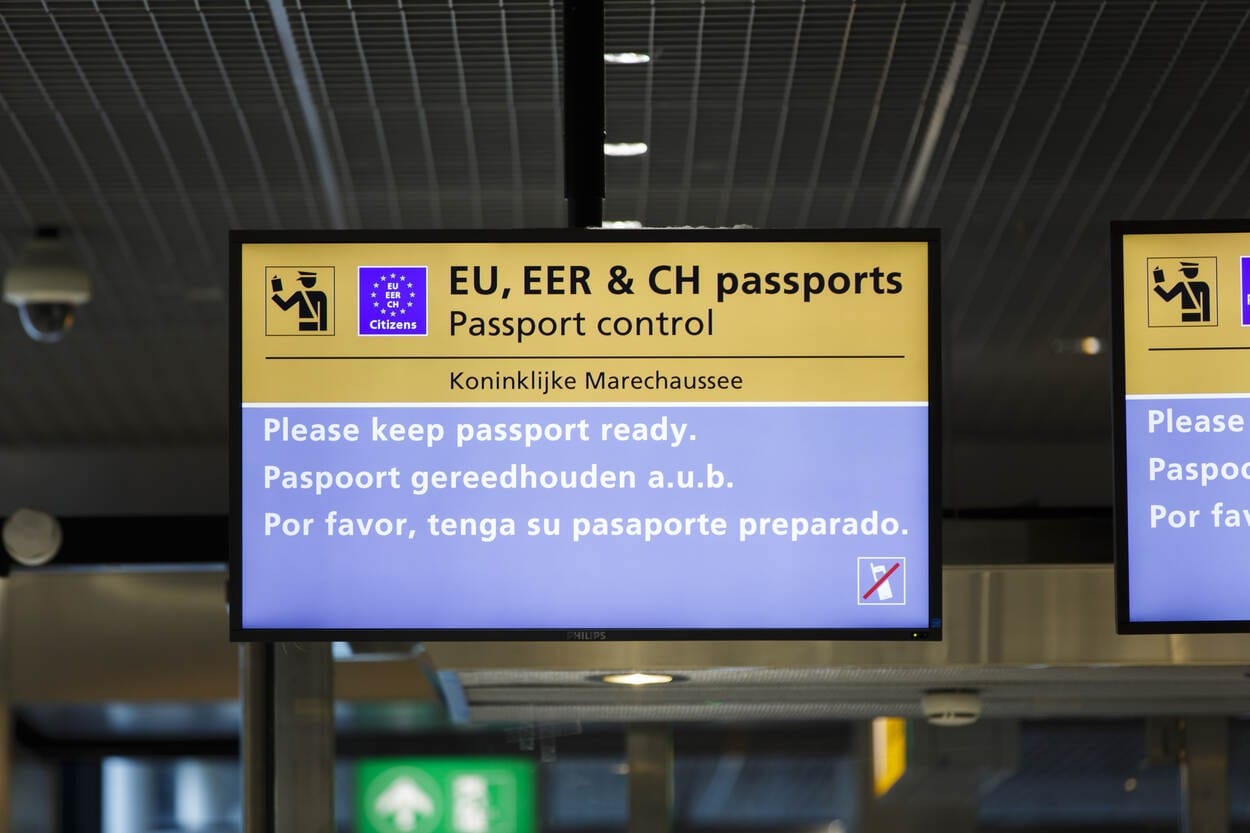
The EU will also be strengthening border checks with a new Entry/Exit System (EES) which will use fingerprint and facial scans to replace passport stamps at the border. The EES is now set to launch first in November 2024.
ETIAS will undergo a six-month transition period when it first launches in May 2025, during which travelers will be encouraged but not required to have the authorization.
After this grace period, airlines will be obligated to verify ETIAS status before allowing boarding on Europe-bound flights.
When ETIAS launches in 2025, it will be required for entry to not just the Schengen area but also Cyprus, Andorra, and Monaco.
Travelers under 18 and over 70 from visa waiver countries will need the authorization but can apply free of charge.
To avoid issues when ETIAS and EES do take effect, travel experts advise visa-exempt travelers to apply for authorization at least 96 hours before their Europe trips, ensure their passport is valid more than 3 months beyond their planned stay, and set reminders to renew the permit every 3 years.
Importantly, the new authorization applies only to the 63 visa-exempt nationalities.
Moroccans and other citizens of countries that currently require a Schengen visa to visit Europe will still need to apply for a visa as usual, as ETIAS will not replace or change those requirements.
Read also: Bulgaria and Romania Celebrate Historic Milestone as They Join Schengen Area