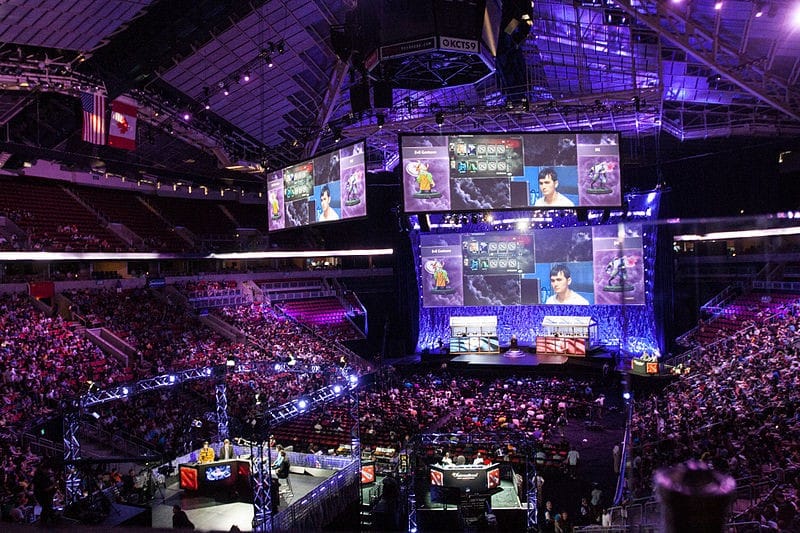
Rabat – On Friday, Casablanca became the epicenter of African esports as the African Esports Championships (AEC24) kicked off at the Mohammed V Sports Complex, marking a significant moment for the continent’s growing gaming community.
This event, a collaboration between the African Confederation of Electronic Sports (ACDS), the International Esports Federation (IESF), and Morocco’s own Royal Federation of Electronic Games (FRMJE), is the first of its kind to be held offline in Africa. It’s not just a competition but a showcase of what African esports can achieve, with participants vying for a spot at the World Esports Championships in Riyadh this November.
The opening ceremony of the competition, which will continue until August 21, set an upbeat tone. The historic competition kicked off with a match between an all-star team composed of members of the competing African teams who faced off against Morocco’s national esports team.
Boban Totovski, Secretary General of the IESF, took to the stage to commend Morocco for its leadership in embracing esports. He praised the country’s commitment to advancing the sport, emphasizing how events like AEC24 are positioning Africa as a rising force in the global gaming landscape.
Hicham El Khlifi, president of the FRMJE and leader of the ACDS, noted the significance of holding this event in person. Unlike other regions that often favor online tournaments, the choice to bring players together in Casablanca aligns with Morocco’s broader vision of fostering collaboration and building strong South-South and Pan-African partnerships.
Speaking to Moroccan state media, El Khlifi pointed out the growing influence of electronic games, which now generate more revenue than some traditional entertainment sectors like the movie industry. This economic impact, he explained, is a key reason behind the establishment of both the Moroccan Federation and the larger African Confederation, which now represents 47 nations.
More than 20 Moroccan athletes are set to compete in these championships, with hopes of advancing to the global finals in Saudi Arabia later this year. Throughout the event, over 180 athletes from 17 countries will face off in various categories, including CS2 Open, CS2 Women, MLBB Open, MLBB Women, and PubG Mobile.
The ACDS sees this championship as more than just a series of matches; it’s an opportunity to strengthen bonds between African nations and highlight the growing influence of the esports community across the continent.
As AEC24 unfolds, the championship presents an important stepping stone for Moroccan and African esports, signaling the start of what promises to be a dynamic and influential presence in the global gaming arena.
The growth of Esports
Esports has rapidly evolved from a niche hobby into a global phenomenon, capturing the attention of millions across the world. The growing popularity of esports is evident in the massive audiences that tune in to watch tournaments like the League of Legends World Championship and The International for Dota 2.
These events, once considered a subculture of gaming enthusiasts, now attract millions of viewers, with peak concurrent viewership numbers rivaling traditional sports. In 2022, the League of Legends World Championship drew over 5.1 million concurrent viewers, showcasing the immense reach and appeal of competitive gaming.
This shift marks a significant cultural change, where esports is increasingly recognized as a legitimate form of entertainment, engaging audiences that are often younger and more digitally connected.
The financial success of esports mirrors its growing popularity. What started as small-scale competitions has burgeoned into a billion-dollar industry. In 2022, the global esports market generated approximately $1.38 billion in revenue, driven by sponsorships, media rights, and merchandise sales.
Major brands are now investing heavily in esports, recognizing its potential to reach younger demographics that are often elusive through traditional advertising channels. Prize pools for top tournaments have also skyrocketed, with events like The International offering over $40 million, attracting top talent from around the world and raising the stakes for competitors.
This financial influx has not only elevated the status of esports but has also created new opportunities for players, teams, and related industries to thrive.
Esports’ impact extends beyond the competitions themselves. The rise of streaming platforms like Twitch and YouTube Gaming has played a crucial role in the ecosystem, providing a space for fans to engage with their favorite players and teams in real-time. These platforms have become integral to the community, with millions of hours watched every month, further fueling the growth of esports.
As more universities offer scholarships for esports and high schools integrate it into their extracurricular programs, the pathway to becoming an esports athlete is more structured and accessible than ever before. Esports is not just a passing trend; it is reshaping the landscape of sports and entertainment, carving out a significant place in the global market.