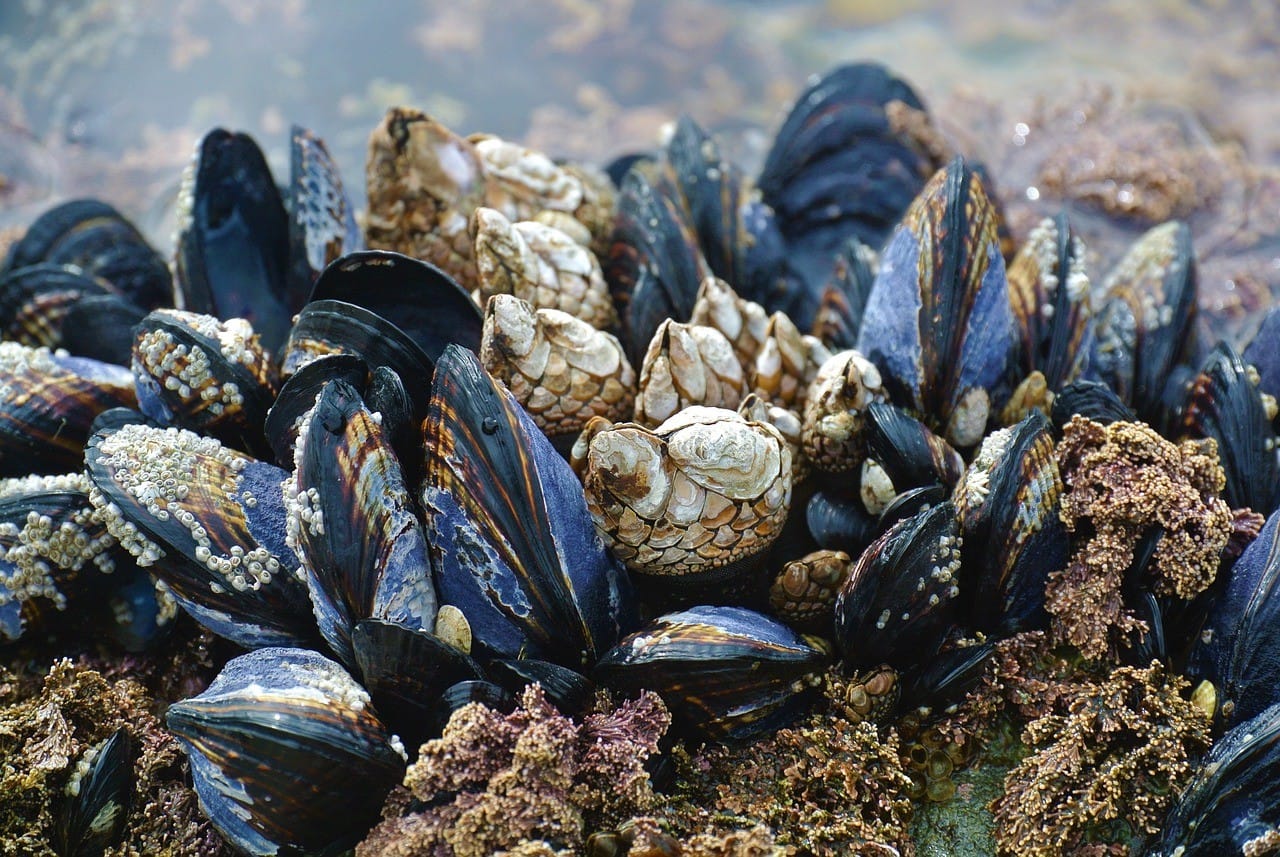
Rabat – Morocco’s Department of Maritime Fisheries announced on Friday a ban on the harvesting and sale of shellfish from the Oum Toyour-Chouika seafood farming area in the Essaouira region after the local area was found to have unspecified marine toxins.
According to a statement from the Department of Maritime Fisheries, analyses conducted by the National Institute of Fisheries Research (INRH) in the Oum Toyour-Chouika area revealed the presence of marine toxins in mussels at levels exceeding acceptable standards.
As a result, the department advises consumers to purchase only packaged shellfish that carry sanitary identification labels and are sold at authorized outlets, such as official markets.
The department also issued a warning that shellfish sold loosely or by unauthorized vendors offer no guarantee of safety and pose a significant risk to public health.
Morocco’s Department of Maritime Fisheries is responsible for the management, regulation, and development of the country’s maritime and fisheries sectors. The department is tasked with overseeing the sustainable use of marine resources, enforcing fishing regulations, and ensuring the protection of marine environments.
Its mission also includes working to enhance the economic viability of Morocco’s fisheries sector by supporting aquaculture, ensuring the quality and safety of seafood products, and promoting international trade in fishery products.
The INRH is a key scientific and technical arm of Morocco’s Department of Maritime Fisheries. The institute conducts research on marine ecosystems, fish stocks, and the impact of environmental factors on marine life.
It is responsible for monitoring the health of marine resources, including assessing the presence of toxins or pollutants in seafood, as seen in the analyses conducted in areas like Oum Toyour-Chouika.
The importance of the INRH is likely to grow in the near future, as scientists expect a worsening global impact of plastic pollution on the quality of seafood.