 Join on WhatsApp
 Join on Telegram
Rabat – King Mohammed VI’s decision this week to pardon 4,800 cannabis farmers is not just a choice to restore the dignity of these people, but also an important step towards a mature, profitable and equitable legal cannabis industry in Morocco.
Morocco has long been a giant of cannabis production, supplying an estimated 70% of European needs in the world’s most popular illicit substance, which has seen a wave of legalization in a variety of countries around the world. The 2024 European Drug Report details that an estimated 8% of European adults, 22.8 million people, have used the substance this year.
Many European countries have recognized that cannabis is far less harmful than most drugs and substances scheduled by the 1961 UN Convention on Narcotic Drugs. The substance’s popularity and wide-spread availability has led many countries to legalize and regulate cannabis use.
The irony of the new world of legalized cannabis has been that the farmers who actually grow the crop have languished in illegality.
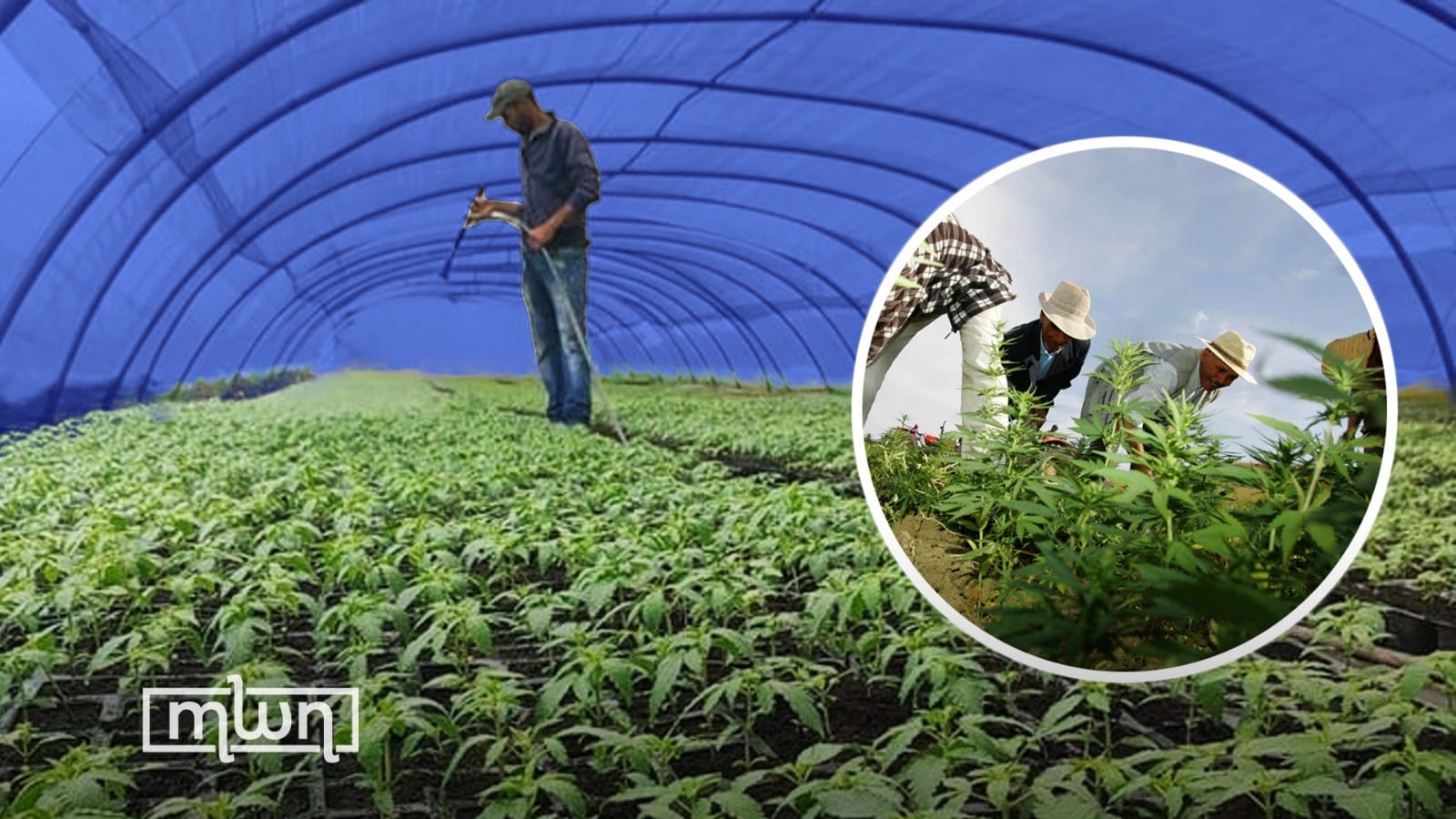
Much was left unclear regarding the status of cannabis farmers when Morocco in 2021 started its journey to transition its vast illegal cannabis production into a taxable and regulated substance. This week, Morocco’s King Mohammed VI helped clarify this status, with his sweeping pardon for 4,831 people convicted, prosecuted or wanted in cases related to the cultivation of cannabis.
Out of the Shadows
The importance of this week’s royal pardons on the lives of cannabis farmers cannot be overestimated. For decades, many cannabis farmers have lived in a state of illegality that disrupted the lives of their families and created a barrier blocking access to social services.
All this time, cannabis farmers have been de-facto imprisoned in their villages in fear of being arrested, meaning they were unable to receive proper healthcare, access banking services, were cut off from state support and were unable to petition, or engage in dialogue with, the government.
Meanwhile these farmers were at the mercy of organized crime for their income. Unregulated and illegal, they were forced to sell their crops to shady individuals in order to have the funds to send their children to school, or build up enough savings to eventually retire.
By allowing these farmers to come out of the shadows, Morocco can reduce its vast gray economy, provide assistance to these citizens in times of crisis, and integrate them into its growing legal cannabis industry, which for now is focused on medical cannabis.
Restorative Justice
The approach taken by King Mohammed VI is often called “restorative justice,” in international circles. Restorative justice is a concept focused on repairing the harm caused by criminal behavior, prioritizing the needs of those impacted by injustice.
Pioneered in the 1970s by professor Howard Zehr, restorative justice shifts away from punitive approaches, aiming instead to rehabilitate and reintegrate individuals into society. The practice has since become the recommended strategy by the UN’s drug agency (UNODC).
Addressing past injustices, especially for those criminalized under outdated laws, is vital in building a fair and equitable legal system. Global human rights organizations have emphasized the importance of incorporating restorative justice into legal reforms, particularly in the context of drug legalization.
Morocco’s recent royal pardon exemplifies this approach by not only legalizing cannabis cultivation for medical purposes, but also offering a path to social and economic reintegration for those who were previously marginalized.
This pardon represents a significant step towards healing the historical wounds inflicted by previous cannabis-related laws, setting a progressive standard for other nations to follow. Through this act, Morocco appears to acknowledge the hardships faced by cannabis farmers and affirms their right to participate fully in the legal economy and society.
Comparing approaches
The United States is a key example of a country that moved towards the decriminalization of cannabis without a thought for those previously harmed by its laws.
In the US, the legalization of cannabis has often occurred without fully addressing the historical injustices of its “War on Drugs.” Pioneering states like Colorado and Washington first legalized recreational cannabis, without initially implementing comprehensive measures to expunge past convictions.
This has resulted in significant disparities where, despite the legal market’s growth, many individuals, often from marginalized communities, continue to face the long-term consequences of previous cannabis-related offenses, including difficulty finding employment, housing, and participating in the legal cannabis industry.
Additionally, while some states have since taken steps to expunge records or provide pathways for those affected to enter the cannabis industry, these efforts are often inconsistent and vary widely from state to state. This piecemeal approach has left many individuals without the full benefits of legalization, perpetuating the inequities established by the US’s failed “war” on drugs.
Another key example is that of Uruguay, the first country to fully legalize cannabis in 2013. The country legalized cannabis in an effort to combat organized crime, yet did little for those previously incarcerated, not addressing the social inequities from previous drug policies.
Next steps
While Morocco has not yet decriminalized most of its estimated $8 billion cannabis industry, there are various success stories of other countries following this path.
Thailand, another kingdom in the Global South, went through the same process as Morocco by legalizing medical cannabis in 2018. It decriminalized the plant itself four years later, which started a booming industry that boosted the country’s already lucrative tourism sector, and brought vital tax revenue into state coffers.
Thailand’s experience as a pioneer in Asia could easily be replicated by Morocco on the African continent. Especially as the North African kingdom boasts a sizable European market to its north and a growing list of southern customers as African countries revise their stance on cannabis. Like Thailand, Morocco would gain significant foreign direct investment and experience large growth in job opportunities.
In many ways, fully legalizing cannabis in Morocco is likely to help with many of the country’s current economic difficulties. It could help alleviate youth unemployment, boost sustainable tourism, remove a large chunk of the illegal untaxed economy, and bring much-needed local tax revenue and foreign currency into state coffers.
After King Mohammed VI’s commendable decision to lift thousands of cannabis farmers out of the darkness, the success of this choice could be the start of a successful journey of decriminalization.
By implementing restorative justice, and taking seriously the plight of the sector’s stakeholders and utilizing their expertise, Morocco can establish a world-leading cannabis industry that would certainly eclipse any foreign rivals.