
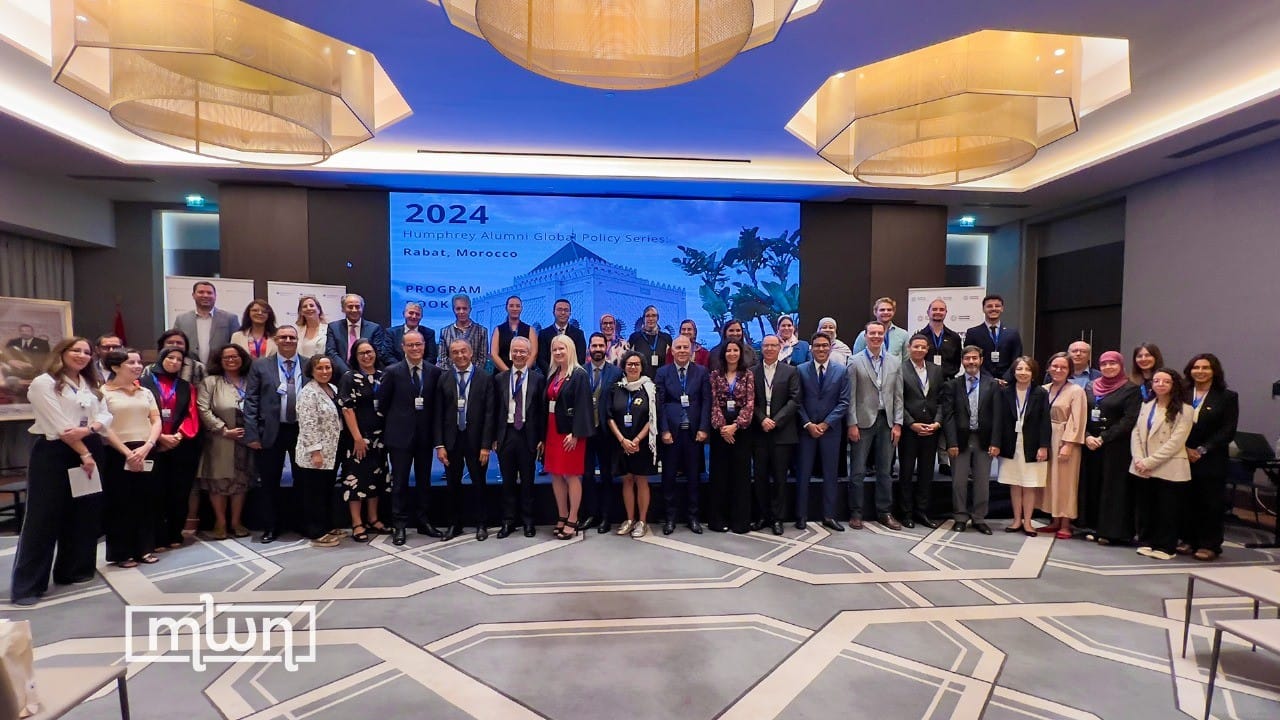
Rabat – The Humphrey Global Policy Dialogue Morocco kicked off this morning in Rabat, gathering alumni of the US Fullbright’s Humphrey Fellowship Program to address pressing global challenges and celebrate their collective achievements.
The event serves as a platform for discussing key issues, including global health policies, human rights, climate change, and economic development.
Rebecca Geffner, Executive Director of the Moroccan American Commission for Educational & Cultural Exchange (MACECE), opened the dialogue with an emphasis on the critical roles that Humphrey alumni play in advancing societal progress.
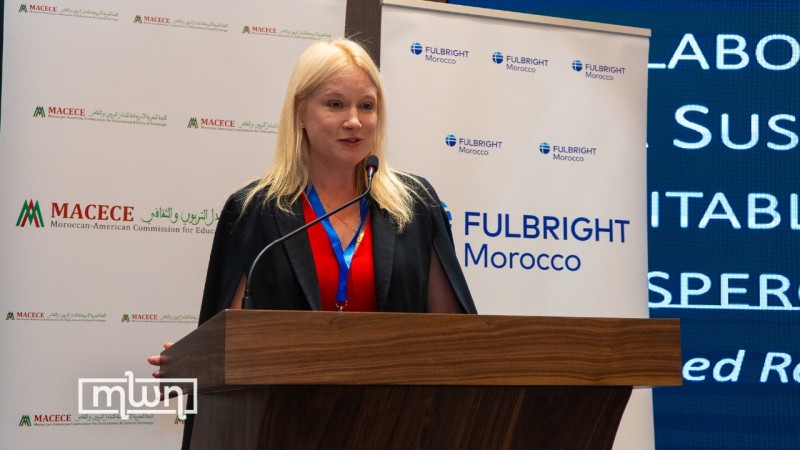
“Today’s event will feature our alumni as panelists, speakers and participants, along with alumni from our other Fulbright programs, to tackle critical issues such as global health, human rights and governance, sustainability and economic policy development,” she said in the opening remarks.
She highlighted the growing alumni community in Morocco, now exceeding 4000, and their contributions across both public and private sectors.
Geffner expressed hope that the discussions today would help align solutions with Morocco’s specific needs and government priorities, stating, “We aim to propose innovative strategies for tackling these complex issues.”
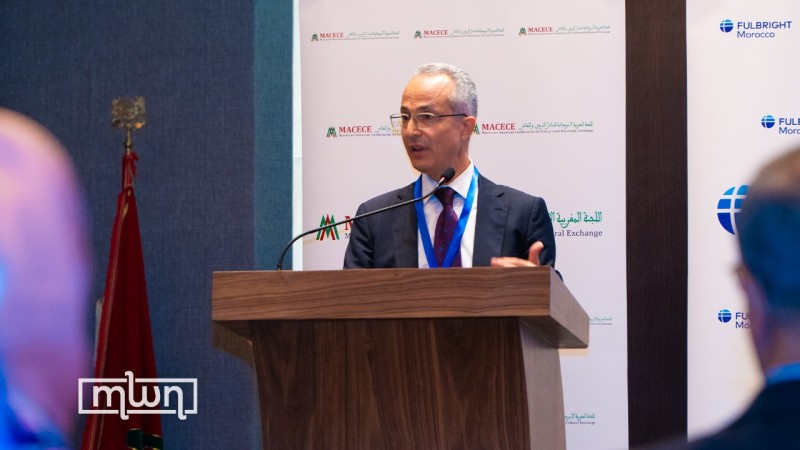
Amine Bensaid, Chairman of the MACECE Board, echoed Geffner’s sentiments, emphasizing the alumni’s responsibility to drive change. He noted, “We have an opportunity to make the change,” highlighting the shared experiences and values that connect attendees. Bensaid, who is also the president of the Al Akhawayn University in Ifrane, encouraged participants to reflect on their collective ability to impact both local and global contexts.
Meanwhile, Nick Barnett, Public Affairs Officer at the US Embassy in Rabat, underlined the importance of cooperation between the United States and Morocco. “Even though our cultures are quite different, I think we are countries of doers, we are countries of talkers, we’re countries of innovators. And this goes all the way back,” he stated, drawing on the historical friendship between the two nations.
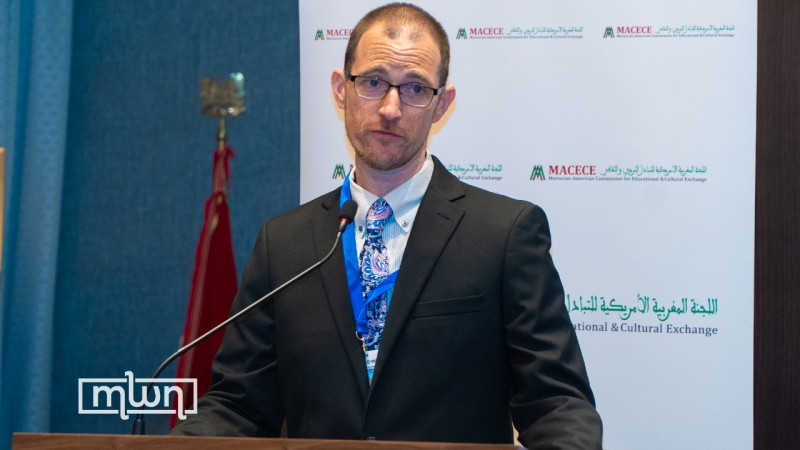
Barnett articulated the pressing challenges that lay ahead, including climate change and economic issues, and reiterated the need for collaboration: “These challenges are big ones, but they can be overcome if we work at it together.”
The role of alumni as catalysts for social and policy change was further emphasized by Jose Marrero, Program Officer at the Bureau of Educational and Cultural Affairs at the US Department of State. He explained the concept of Global Policy Dialogues, which aims to reconnect alumni from diverse backgrounds far beyond their formal programs in the US.
“We want you to stay connected, we want you to meet each other again, and we want you to actually work together as much as possible. So we came up with the global policy dialogues as an alumni event to reconnect alumni from different parts of the world,” Marrero stated.
Challenging the attendees to think critically about the values that guide their work, Ahmed Reda Chami, President of CESE, shared his perspective on the current global value crisis. “We should define which values we’re talking about,” he said, suggesting that a focused dialogue on this topic could foster meaningful solutions.
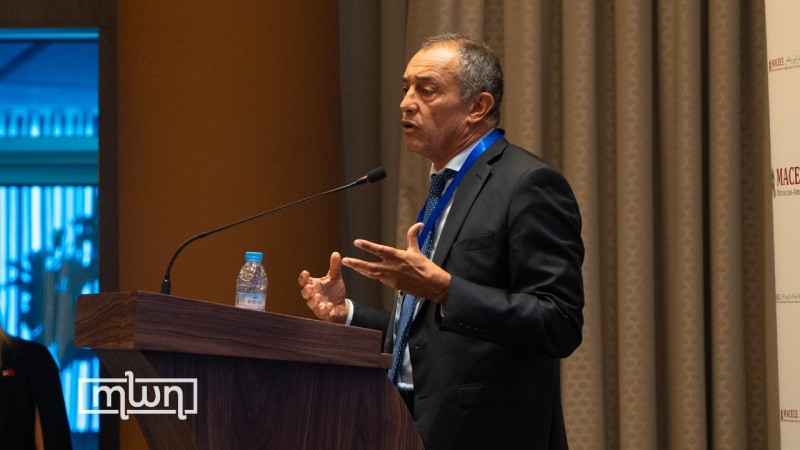
Chami also praised Morocco’s advancements over the past two decades in various sectors, though he acknowledged areas needing improvement, particularly in education and health.
Throughout the day’s agenda, speakers are set to continue the conversation around the necessity of a multidisciplinary approach to tackling Morocco’s challenges. In the morning sessions on this topic, Geffner highlighted the unique perspectives brought by alumni from different backgrounds and experiences, aiming to foster innovative strategies through their collective expertise.
Barnett expressed optimism, stating, “I am more hopeful for the future than I was before I got here,” reflecting on the potential of Moroccan youth and their embrace of technology and innovation.
Keynote speakers further encouraged participants to engage deeply with one another and leverage their shared experiences to devise actionable solutions.