 Join on WhatsApp
 Join on Telegram
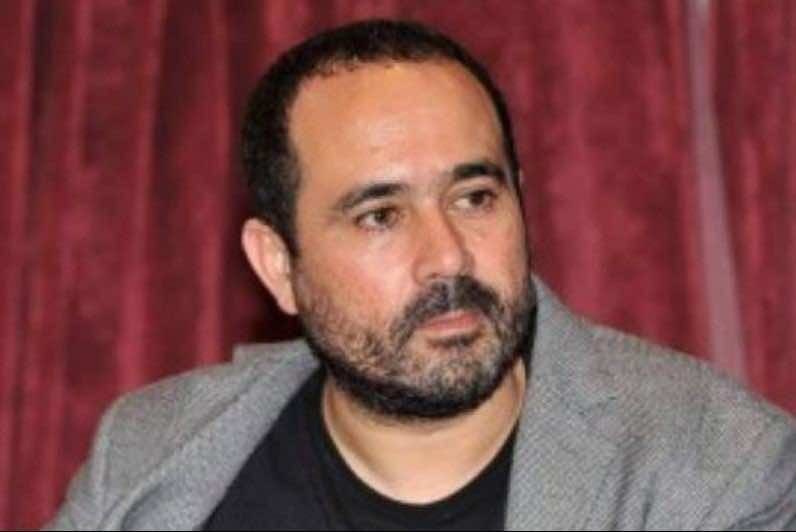
Morocco’s General Directorate of Prisons and Rehabilitation (DGAPR) has issued a press release in response to a recent interview with Soulaiman Raissouni, a Moroccan journalist recently released from prison on a royal pardon.
In an interview with Spanish news agency El Independiente, Raissouni made strong remarks about Morocco’s prison administration and judiciary, accusing them of “unethical practices.”
The Moroccan journalist said that he knew what to expect in a country like Morocco when he made the decision to become an investigative journalist.
“I knew what to expect: imprisonment and worse than prison,” the journalist claimed, alleging that his writing was confiscated.
He further claimed that the prison where he was detained “recorded a video” of him “while I was showering naked, an act that has never occurred even in the worst prisons in the world.”
In response, DGAPR said Raissouni’s comments on Moroccan prisons’ “unethical practices” are fabricated allegations that are part of what the directory described as the journalist’s continued attempts to “tarnish the reputation of the prison and reintegration sector” in Morocco.
According to DGAPR’s statement, Raissouni’s allegations also seek to affect the reputation of Morocco’s prison officials and staff.
The prison directorate also denied claims that Raissouni had a “record-breaking” hunger strike, stressing that it had previously issued a statement revealing that the journalist was consuming various food and dietary supplements during the period he claimed to be on a hunger strike.
In his interview, Raissouni also said that prison officials had confiscated several manuscripts and content of projects he had been working on.
The directorate rebuked this accusation in its statement, saying that the confiscated material was instead a collection of documents containing content that clearly violates the law and undermines institutions.”
Read also: King Grants Pardon to Omar Radi, Taoufik Bouachrine, and Soulaimane Raissouni
Raissouni was among the activists and journalists that recently received a royal pardon, leading to his early release from prison in July.
When the Spanish news outlet asked the released journalist why he did not thank the monarch for the royal pardon, Raissouni said:
“I would be grateful if I did not thank everyone who contributed to ending my arbitrary detention. If I were to thank the King, it would be because by pardoning me, he corrected a judicial error against me and denounced the parties that fabricated my detention file.”
Police arrested Raissouni in May 2020 after one of his former female employees filed a lawsuit against him for sexual assault.
A court in Casablanca then convicted the journalist on charges related to “violent indecent assault” and sentenced him to five years in prison in July 2021.
After a series of legal rebounds in the case, Casablanca’s Appeal Court upheld a five-year prison sentence against the journalist in February 2022.