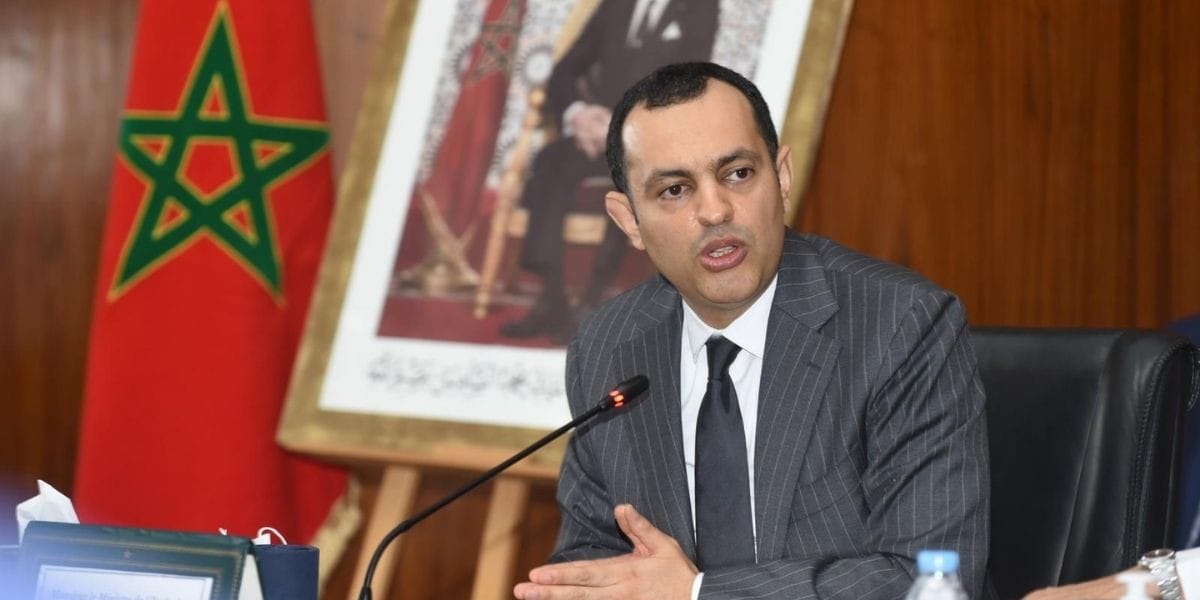
Rabat – The Moroccan government has announced a major initiative to create 30,000 jobs in the burgeoning green hydrogen sector, marking a key milestone in the country’s efforts to position itself as a leader in renewable energy.
The announcement was made by Younes Sekkouri, the Minister of Economic Inclusion, Small Business, Employment, and Skills, during the 4th edition of the World Power-to-X Summit, held in Marrakech on October 8 and 9.
Sekkouri emphasized that these jobs will form part of a broader plan to generate 300,000 positions across critical sectors, including decarbonization, electric mobility, and industry. “We expect job creation in the green hydrogen sector to account for around 10% of Morocco’s needs,” Sekkouri noted.
Green hydrogen is viewed as a cornerstone of Morocco’s energy transition strategy, helping the nation meet its growing energy demands while reducing its carbon footprint.
As part of its ambitious green hydrogen agenda, the government has earmarked one million hectares of land for development, with 300,000 hectares already set aside for foreign and domestic investors.
Green hydrogen is produced using renewable energy-powered electrolysis, offering a clean energy alternative with water vapor as the sole by-product.
The initiative has garnered strong interest from both national and international investors, eager to tap into Morocco’s strategic location, diverse natural resources, and skilled workforce.
Officials assert that the country is well-positioned to become a key player in the global renewable energy market.
Although Morocco lacks significant oil and gas reserves, its abundant solar and wind resources provide an edge in the green energy race. The government aims to produce 52% of the country’s energy from renewables by 2030.
Investments from financial institutions like the World Bank and the European Investment Bank are already flowing into the sector, and Morocco is home to the world’s largest concentrated solar plant in Ouarzazate.
However, despite these advances, Morocco remains heavily reliant on fossil fuels, with around 62% of its electricity still generated from coal, gas, and oil. Expanding green hydrogen production could be a game changer in reducing that dependence.