Rabat — A spokesperson from the Canadian Ministry of Immigration and Integration stated that Morocco asked Canada to exclude Moroccan nurses from recruitment campaigns starting the second quarter of this year, in effort to bolster the local healthcare workforce.
“Morocco has requested to exclude state nurses from our recruitment activities starting in the second quarter of 2024, a directive that we’ve respected,” the spokesperson said, noting that several other African countries lodged the same request to Canada.
The same source stressed that the compliant countries cited the “high cost of training, which they bear to train their healthcare professions” as well as lack of workforce to meet local demand.
Canada’s respect to Morocco’s request was met with satisfaction from officials at the Moroccan embassy in the country, Radio Canada added.
The radio’s website also quotes Morocco’s ambassador to Canada, Souriya Otmani, who stated that Moroccan nurses leave their home country in hundreds.
“Even thousands, each year go to Canada, Europe, or Arab countries,” she said.
In April a report by CEOWorld magazine ranked Morocco 45th out of 193 countries in terms of the need for more nurses per 10,000 population.
Moroccan officials have frequently acknowledged the challenges that the country faces due to the lacking healthcare workforce.
In 2021, Morocco’s Health Minister Khalid Ait Tale said Morocco is in dire need of 32,000 doctors and 65,000 nurses to strengthen its health sector.
Morocco’s National Human Rights Council echoed the same concerns in a report, saying that Morocco is still not in a position to guarantee health security to citizens.
The report also highlighted the unequal distribution of healthcare across Morocco’s regions. Doctors and health professionals are distributed at a higher rate in major regions, including Casablanca-Settat, Fez-Meknes, Rabat-Sale Kenitra, as well as the Oriental.*
In contrast, regions in the north and the south have fewer numbers of health professionals, including Tanger-Tetouan-Al Hoceima, Souss-Massa, Beni Mellal-Khenifra, Draa-Tafilalet, Guelmim-Oued Noun, Laayoune-Sakia El Hamra, and Dakhla-Oued Eddahab.
The council described the distribution of health workers as “unequal,” emphasizing that many citizens do not have access to health care.
The situation is marred by frequent protests from nurses, doctors, as well as medical students.
The North African country has been home to several protests surrounding the health sector, including the ongoing demonstrations launched by medical students for several months.
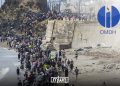
On Thursday, medical students in Rabat walked out, calling for reforms in their education and training.
This movement came in response to the government’s reduction of medical study duration from seven to six years.
“They [students] are not asking for something political or something very complicated … They are here simply to ask for their basic right to have a proper education,” Vice President of the Medical Students Board in Rabat told Morocco World News on Thursday.
He said that an acceptance of the students’ demands “will allow them to treat the Moroccan patients in the future … that will allow them to carry that big responsibility of human life.”