
 Join on WhatsApp
 Join on Telegram
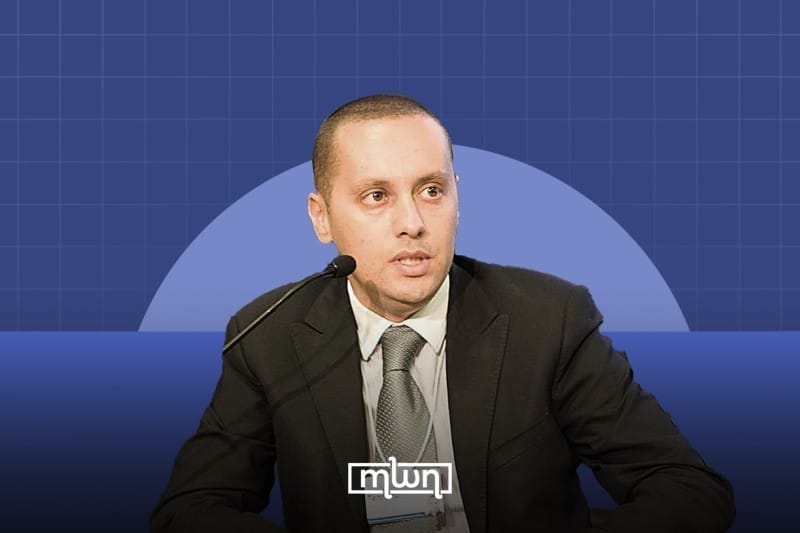
Rabat – Health and Social Protection Minister Amine Tahraoui presented his department’s 2025 work program to the House of Representatives committee on social sectors yesterday, detailing key initiatives and budget priorities aimed at advancing healthcare services and infrastructure across the country.
Tahraoui outlined plans to draft seven implementation decrees for Law 09-22, which regulates healthcare professions, with the goal of submitting them to the General Secretariat of the Government.
To bolster workforce skills, the ministry looks to expand training programs and upgrade health training institutes, increasing capacity at professional healthcare centers to 1,235 spots for the 2024-2025 period.
In terms of healthcare infrastructure, Tahraoui provided an overview of key projects, including the construction of new hospitals in Laayoune (500 beds), Guelmim (300 beds), Errachidia (500 beds), and Beni Mellal (520 beds), as well as the complete reconstruction of Rabat’s Ibn Sina University Hospital, which will have 1,044 beds. Additionally, 78 health facilities, ranging from provincial to regional hospitals and new proximity centers, are set for construction or renovation.
Noteworthy projects also include new centers in Beni Mellal (450 beds), Guercif (190 beds), Nador (250 beds), Azillal (120 beds), and Sidi Ifni (120 beds), along with 40 local hospitals totaling 1,835 beds.
Primary healthcare and service access
Tahraoui discussed the completion of rehabilitation for 534 primary healthcare facilities as part of efforts to address spatial and social disparities, particularly in rural areas. The ministry also aims to improve primary healthcare standards, expand family medicine services, and ensure continuity of care.
Looking forward to 2025, the ministry plans to implement an integrated information system across primary healthcare facilities nationwide, enabling shared medical records and creating a unified database that connects hospitals with regional health networks.
Regarding maternal and neonatal health, Tahraoui noted ongoing initiatives under the 2023-2027 strategy to reduce maternal and neonatal mortality. Key projects include expanding screening programs for congenital hypothyroidism and neonatal hearing loss, as well as a comprehensive vaccination initiative offering 12 recommended vaccines at primary healthcare facilities.
The 2025 program also includes a national screening campaign for school health, targeting over 1.5 million students, along with regular medical exams for first-year university students. These initiatives are designed to improve youth health outcomes and ensure early intervention in educational settings.
Union criticizes proposed healthcare reforms
Earlier this week, the Independent Union of Public Sector Doctors issued a strong condemnation of the Moroccan government’s proposed healthcare reforms, labeling them as “empty promises” that fail to safeguard the rights and job security of medical professionals.
The union, representing doctors, pharmacists, and dental surgeons, argues that these reforms undermine their long-standing achievements and contribute to instability in the public health sector, rather than offering the necessary support.
Among the union’s primary concerns is the lack of guaranteed protections for “full public employee” status and the removal of centralized, budget-funded salaries. The group also expressed discontent over the exclusion of doctors from recent wage increases granted to other public sector workers.
These grievances have been exacerbated by the 2025 draft finance law, which eliminates designated financial posts for healthcare staff and shifts their salary funding to health groups, rather than the national budget.
The union warns that this new legislation jeopardizes the legal rights and benefits of public healthcare workers, further eroding previous agreements made with the Ministry of Health and sector unions.