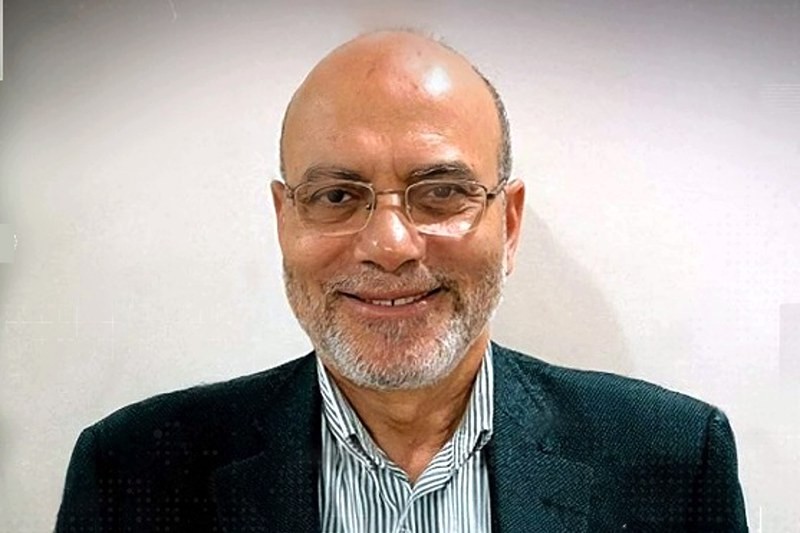
Doha – Morocco’s Court of Cassation has ordered the release of Egyptian-Turkish citizen Abdel Basset El-Imam and the return of his passport, effectively rejecting an Egyptian extradition request that had sparked international concern over his safety.
El-Imam, a former professor at Al-Azhar University’s Faculty of Medicine, was arrested on November 3 at Mohammed V Airport in Casablanca following an extradition request from Egyptian authorities.
The 62-year-old opposition figure had been sentenced to life imprisonment in Egypt in 2017 over what human rights organizations described as politically motivated charges.
Following his release on Tuesday, December 17, El-Imam expressed his gratitude on Facebook, stating, “All thanks and appreciation to the Kingdom of Morocco, its government, and people… and all thanks and appreciation to the esteemed Moroccan judiciary.”
He also acknowledged “all human rights associations, institutions, bodies, and individuals who contributed to defending freedoms and human rights.”
The case had drawn significant attention from international human rights organizations. The Egyptian Adalah Foundation for Human Rights and the International Federation for Human Rights had jointly called for El-Imam’s release, urging Moroccan authorities to either grant him entry or facilitate his return to Turkey, where he holds citizenship.
During his detention, the Turkish consulate in Casablanca closely monitored the case, with the consul making two visits to El-Imam, the last one accompanied by a defense team, according to local sources.
Abdelmajid Mrari, head of the Middle East and North Africa department at EFDI International, had cited Article 721 of Morocco’s Criminal Procedure Code, which prohibits extradition for political crimes or requests deemed politically motivated.
Marari explained that even if the judiciary had approved the extradition, the final decision would have rested with the Prime Minister.
The Moroccan Organization for the Support of Political Detainees had previously expressed “great concern” over El-Imam’s case, warning that his extradition to Egypt could result in “violations of his fundamental rights” and pose “severe risks to his personal safety.”
Human rights organizations had highlighted that El-Imam’s son was among the victims of the Rabaa massacre in Cairo during the summer of 2013, adding another layer of complexity to his case.
His family had raised concerns about his health during detention, noting that he suffers from high blood pressure and had developed high blood sugar levels while in custody.
The case garnered attention from various international bodies, including the UN Special Rapporteur on Torture and the UN High Commissioner for Human Rights, who were contacted by advocacy groups regarding El-Imam’s situation.
These organizations emphasized Morocco’s obligations under the Convention against Torture, which prohibits the extradition of individuals to countries where they might face torture or cruel treatment.
Read also: Morocco Ends Safe Haven Myth, Extradites First Israeli Suspect in Landmark Case