


 Join on WhatsApp
  Join on Telegram
 Rabat – Morocco is stepping into the 2024-2025 agricultural season with cautious optimism, buoyed by recent rainfall that has helped replenish groundwater supplies and raise water levels in its dams.
This welcome change offers hope for a more successful season, with the potential for improved crop yields and water availability.
However, despite this positive shift, major challenges remain. Climate unpredictability, water shortages in certain regions, and the ongoing effects of past droughts continue to pose risks that could affect the overall success of the agricultural campaign.
A welcome change in weather patterns
Recent rains mark a significant shift from the severe drought Morocco has faced for nearly six years, which has triggered a water crisis.
Data from the Directorate of Studies and Financial Forecasts (DEPF) shows that from September 1 to December 6 of this year, rainfall averaged 50 mm, nearly double the 27 mm recorded during the same period last year.
Despite this slight relief, which has helped some areas, Morocco continues to battle acute water shortages, with rainfall down 40% and water reserves and underground resources severely depleted.
Improved water reserves and dam storage
Equally encouraging is the improvement in water reserves. By December 18, the main dams in Morocco were 28.7% full, marking a 5.2% increase from the previous year.
This translates to a storage volume of over 4.8 billion cubic meters, offering hope that these reserves can compensate for last year’s poor harvest, which saw a 43% decline in cereal production, down to 31.2 million quintals.
Government measures to boost agricultural sector
The Ministry of Agriculture has also rolled out several important measures to support farmers in the 2024-2025 campaign.
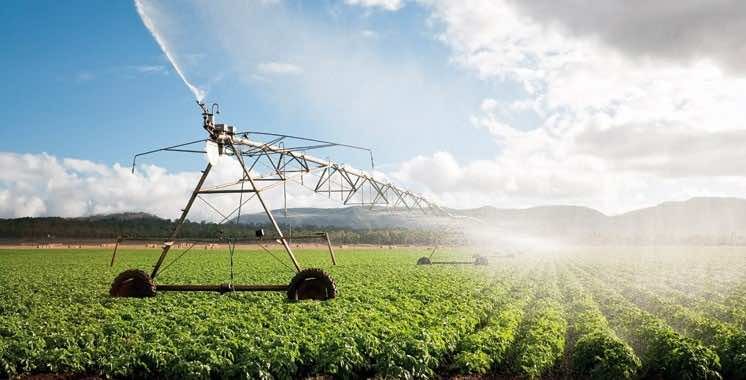
These include distributing certified seeds at reduced prices, providing subsidies for fertilizers, and initiating an ambitious but much-needed irrigation program that covers 700,000 hectares.
These initiatives are part and parcel of the broader “Green Generation 2020-2030” strategy, designed to ensure agricultural sustainability and resilience.
Agriculture’s economic importance and export growth
Agriculture continues to be a vital pillar of Morocco’s economy, as demonstrated by a 22% increase in exports from the agriculture and agri-food sector during the first month of the fourth quarter of 2024, reversing a 0.6% decline the previous year.
This growth is largely driven by vegetable, cereal, and legume exports, which benefit from subsidies and climate insurance that help stabilize prices and reinforce food security.
Looking ahead, the use of modern technologies, such as remote sensing for optimizing irrigation, alongside targeted support for small-scale farmers, will be essential to navigating these challenges.
While the 2024-2025 agricultural season offers new hope for Morocco’s farmers, it also brings to the surface the critical need to continue adapting agricultural practices to ensure resilience against climate uncertainty and long-term sustainability.
Read Also: Water Crisis Hits Morocco’s Agriculture: Government Allocates Resources, Invests in Desalination


