
Marrakech – The United States Trade Representative on June 2 proposed imposing a 12.5% tariff on Moroccan goods, accusing Morocco of failing to impose or enforce a legal ban on importing products made with forced labor. The proposed duty would apply across virtually all Moroccan exports to the United States, with limited exceptions.
Morocco is among 54 economies the USTR determined have neither enacted nor enforced a prohibition on forced labor imports. The finding forms part of a sweeping Section 301 investigation into 60 trading partners that collectively account for 99.40% of all US imports.
The USTR initiated the 60 parallel investigations on March 12. It received testimony from nearly 60 witnesses and over 500 written comments before reaching its conclusions.
USTR Ambassador Jamieson Greer framed the action in competitive terms. The failure of trading partners to address forced labor goods “creates a dynamic where American workers are forced to compete globally on an unlevel playing field,” Greer declared. “We will no longer tolerate this disparity.”
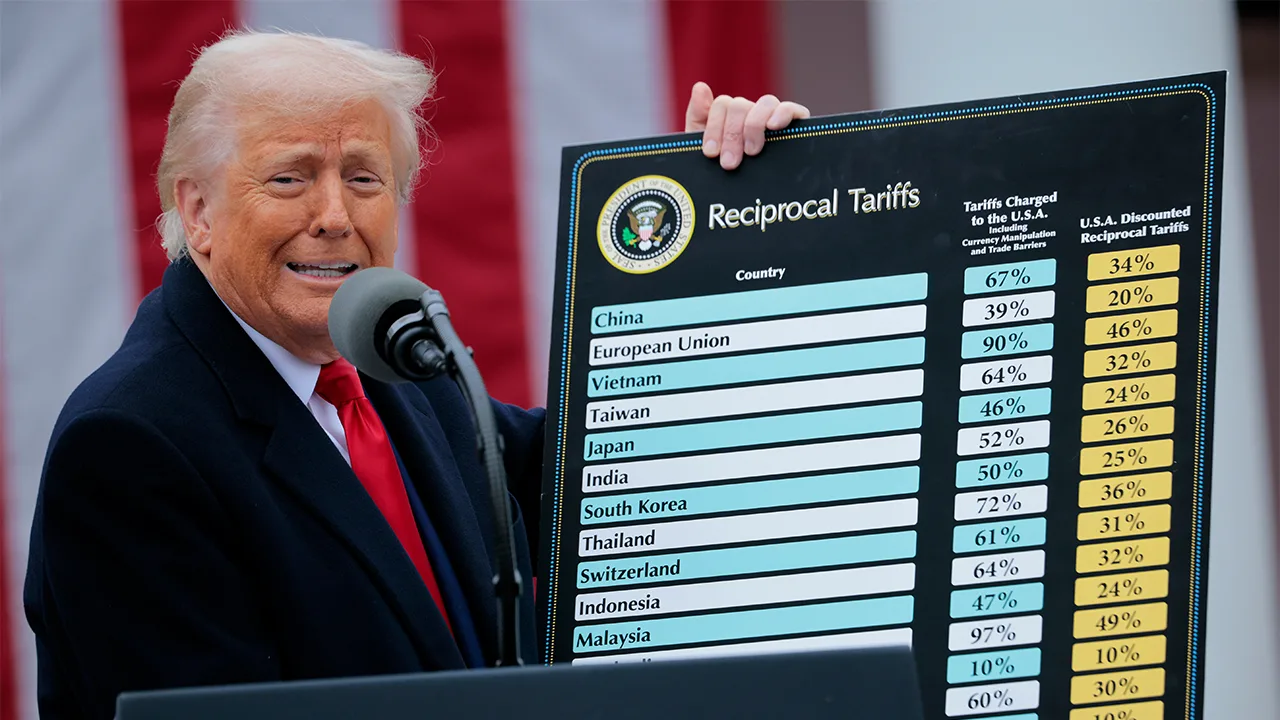
The proposed tariffs operate on a two-tier structure. Economies that have imposed a forced labor import prohibition, committed to one through an Agreement on Reciprocal Trade, or adopted partial measures would face 10% additional duties.
That tier includes Canada, the EU, the UK, Mexico, Indonesia, Pakistan, Argentina, Bangladesh, Cambodia, El Salvador, Guatemala, Malaysia, and Taiwan. All other economies, Morocco among them alongside China and India, would face the steeper 12.5% rate.
Morocco participated in confidential government-to-government consultations with USTR during the investigation, one of 46 economies that accepted Washington’s invitation to engage. Fourteen others either declined or could not participate. The consultations, however, did not alter the outcome.
A contested reading of US trade law
The USTR report, spanning nearly 100 pages, concluded that Morocco lacks any legal measure that forbids the importation of goods produced wholly or in part with forced labor.
The investigation applied a narrow definition of what constitutes such a prohibition, requiring an “unequivocal ban” rather than supply chain transparency requirements, due diligence mandates, or voluntary disclosure initiatives. Several economies argued their existing domestic frameworks amounted to functional equivalents, but USTR rejected those claims across the board.
Notably, Morocco and the United States are parties to a bilateral free trade agreement signed in 2004 that contains provisions on the elimination of forced or compulsory labor. The USTR report itself cited the Morocco FTA among the agreements that include such commitments.
Yet the investigation drew a sharp distinction between domestic labor provisions in trade agreements and the specific requirement of a forced labor import ban – a threshold none of the 54 economies in Morocco’s category met.
Morocco also surfaced in the report’s analysis of supply chain circumvention. Hearing testimony cited Morocco as one of the jurisdictions where Chinese-controlled entities operate, enabling solar-related imports to reach the United States without triggering the rebuttable presumption of forced labor that applies to goods from China’s Xinjiang region.
Separately, US Customs and Border Protection data showed that apparel shipments from Morocco were among those denied entry under the Uyghur Forced Labor Prevention Act between 2022 and 2026.
The report’s appendices further indicated that Morocco imported cotton from both the United States and China, as well as tobacco from both the United States and Malawi – two product categories flagged by the US Department of Labor as carrying significant forced labor risk from those source countries.
The broader investigation drew on what several trading partners characterized as an expansive interpretation of Section 301 of the Trade Act of 1974.
The USTR argued that any economy without a forced labor import ban effectively permits unfair competition against American producers, distorts market conditions, undermines the profitability of compliant firms, and facilitates the circumvention of existing US enforcement measures.
Trading partners push back on the move
Multiple trading partners rejected that reasoning. The European Commission called the duties “unjustified.” China denied the existence of forced labor within its borders, with foreign ministry spokesperson Mao Ning opposing what she termed political manipulation.
A UK government spokesperson maintained that London is tackling forced labor in supply chains, though Britain’s own Independent Anti-Slavery Commissioner acknowledged that UK law falls short in that area.
Ajay Srivastava of the Global Trade Research Initiative in Delhi contended the proposed tariffs stretch Section 301 beyond its intended scope and constitute part of “broader US pressure tactics.”
Human rights organizations offered qualified assessments. Amnesty International’s Peter Frankental acknowledged that trade measures can play a role in combating forced labor but cautioned they are no substitute for corporate accountability and mandatory due diligence obligations.
The proposed tariffs mark the Trump administration’s second major tariff action since the US Supreme Court struck down the April 2025 “Liberation Day” duties as unlawful. A temporary 10% global tariff imposed after that ruling is set to expire in July unless Congress acts to extend it.
The tariffs have not yet taken effect. Written comments are due by July 6, with public hearings scheduled for July 7. Parties seeking to testify must submit requests by June 22.
Read also: US Senators Introduce Bill to Scrap Phosphate Duties on Morocco