
Rabat – Rabat’s Mohammed V Theater came alive on January 15 with the “Middle Atlas Rhythms Night.”
The theater was the venue for yet another night of enchanting celebrations of Amazigh culture marking the Amazigh New Year 2975.
The event was an opportunity to show the rich cultural heritage of Morocco’s indigenous Amazigh people through an evening of traditional music and poetry.
Organized by the Forum for Arts, Culture, Sports, and Development Association in collaboration with the Ministry of Youth, Culture, and Communication, the celebration drew enthusiastic attendees.
Distinguished artists and groups from cities in the Middle Atlas treated the audience to spectacular performances.
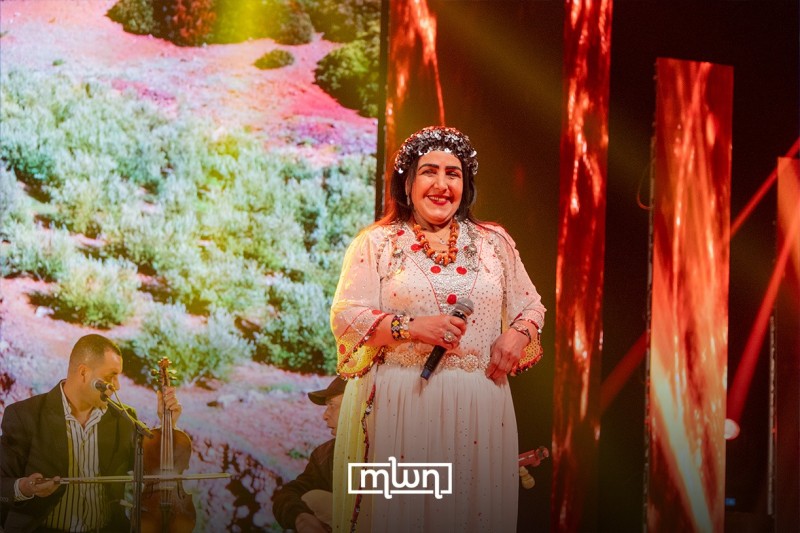
Iconic singer Cherifa captivated the crowd with her powerful rendition of traditional songs, while Mimoun Ourahou and his band’s passionate performance drew thunderous applause.
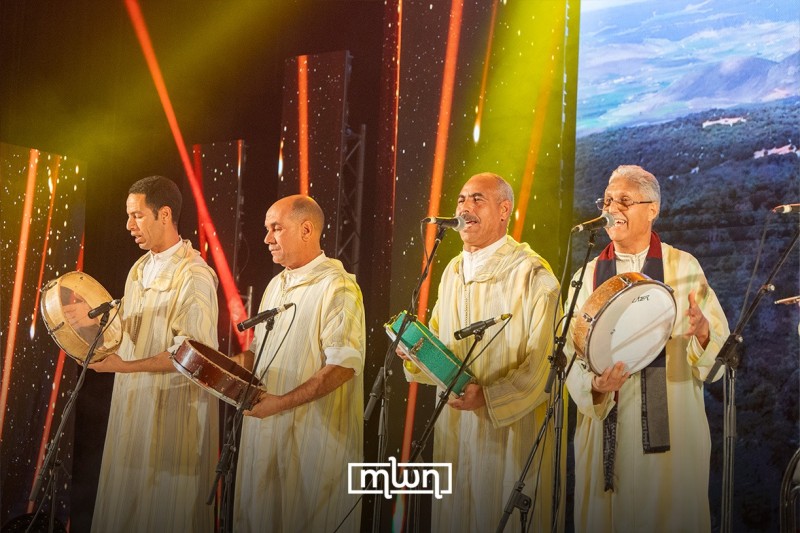
Speaking to Morocco World News (MWN) on the sidelines of this event, Mimoun Ourahou wished Moroccans a happy New Amazigh Year, calling them to “hold on tight to their cultural heritage, including every aspect, so it doesn’t vanish.”
Cherifa expressed pride and joy for being in Rabat to celebrate this national event that marks the Amazigh identity, wishing Moroccans a happy Amazigh New Year.
Read also: Aseggas Ambarki 2975: Yennayer, Three Millennia of the Free People’s New Year
Noureddine Ourahou, named after the Ourhou, delivered a masterful interpretation of classic Amazigh melodies, seamlessly blending traditional rhythms with contemporary sensibilities.
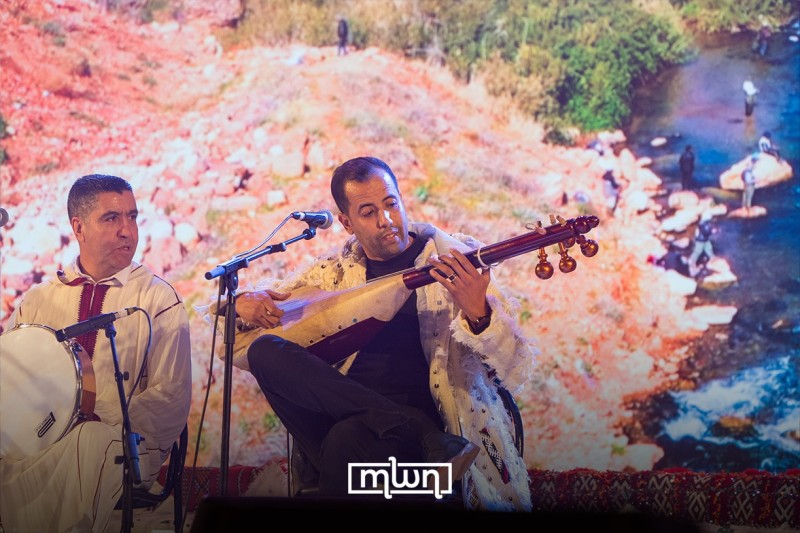
He said he was happy to be in Morocco’s capital to celebrate this cultural event as part of the country’s identity.
In comments to MWN, he also thanked King Mohammed VI for both Ajdir’s speech in 2001 and his recent speech constitutionalizing Tamazghit.
The Ahidous Amsasa group from Imouzzer Kandar delivered a fascinating display of collective singing and circular dancing, demonstrating the communal spirit of Amazigh cultural expression.
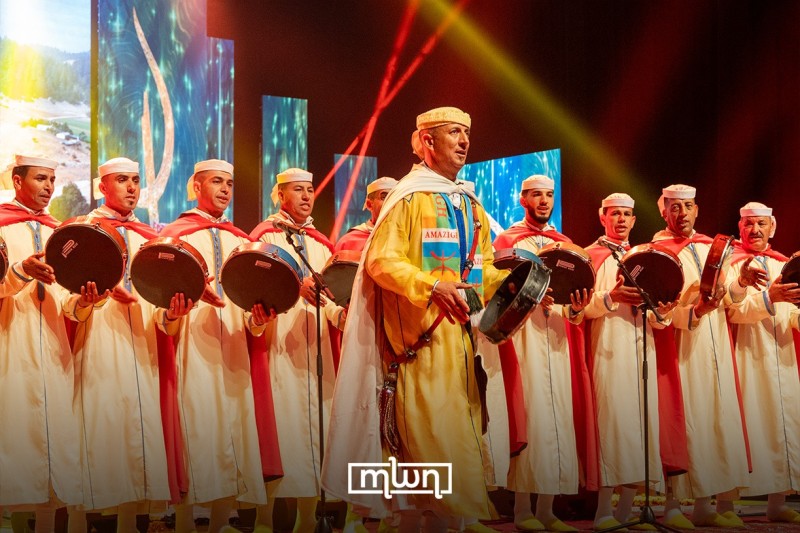
The Guerrouane poets added more spices to the celebration, with their verses echoing ancestral wisdom and cultural pride.
The traditional styles of Tamawayt, Inchaden, and Ahidous resonated throughout the historic theater and moved the audience.
The event stood as a powerful testament to Morocco’s commitment to preserving and celebrating its Amazigh heritage.
Other cities across the country have celebrated the Amazigh New Year, which marks the beginning of the agricultural season and stands for the rooted connection between Amazighs and the land.
As the final notes faded and the audience dispersed into the Rabat night, there was a palpable sense that this celebration had succeeded in both honoring tradition and ensuring its transmission to future generations.