
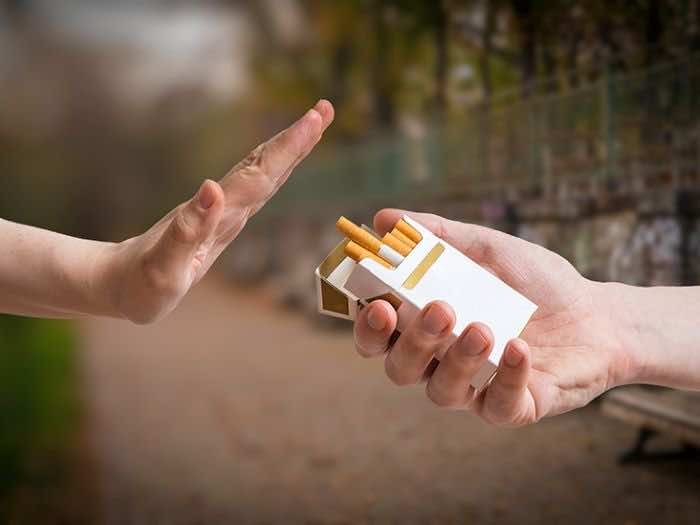
Rabat – Milan is implementing one of Italy’s toughest smoking bans, targeting outdoor spaces across the city, starting today.
According to AFP, this new law prohibits smoking on streets, in public squares, and other crowded outdoor areas, with fines ranging from €40 to €240 ($41 to $249) for violators.
For many, the ban signals a major leap to improve Milan’s air quality and help reduce harmful particulates to protect public health, particularly from the dangers of secondhand smoke. However, not all residents seem to be on board.
The smoking ban is part of a broader effort by Milan’s city council, which introduced its Air Quality Ordinance in 2020. The first phase of the plan prohibited smoking in parks, playgrounds, bus stops, and sports facilities. With this latest extension, the ban now includes all public spaces, except for isolated areas where people can maintain a 10-meter distance from others.
The law does not, however, extend to e-cigarettes.
Milan’s decision comes as the city prepares to host the 2026 Winter Olympics.
This move builds on a long history of smoking regulations in Italy. Since its first national smoking ban in 1975, Italy has gradually expanded restrictions, becoming one of the earliest European nations to limit smoking in public spaces.
Read Also: Study: Morocco Ranks 100th Among Countries With Most Smokers in 2023
Currently, about 19% of Italians smoke, but cigarettes remain relatively cheap, with a pack costing around €6. This is exponentially less than in many other European countries, where prices can reach upwards of €10.
The health risks associated with smoking continue to be alarming. In Italy, smoking-related illnesses claim approximately 93,000 lives each year, with lung cancer being the most common cause. Research from the World Health Organization (WHO) shows that smoking is responsible for 85% of all lung cancer cases worldwide.
Milan’s decision to impose a total ban on outdoor smoking showcases a broader trend seen across Europe. Countries like Ireland, Greece, and Spain have implemented similarly strict policies.
Meanwhile, Belgium is tackling a different aspect of smoking with a ban on single-use vapes, effective January 1. The government wants to protect youth from the addictive effects of nicotine in these products. The EU, in its push for a tobacco-free future, strives to reduce the smoking population from 25 percent to less than 5 percent by 2040.
While these measures might look like a step that hinders individual freedoms, many support similar changes to tackle pollution and other health challenges
As a recent study from University College London shows, smoking can shorten one’s life expectancy—around 20 minutes for each cigarette smoked.
A pack of 20 cigarettes can take nearly seven hours off a person’s life. Sarah Jackson, who led the study, explained, “Smokers who don’t quit lose, on average, about a decade of their lives.”
The consequences are clear, and for Milan, this new ban is just the latest in a series of steps toward healthier air and a healthier future.