Rabat – The alleged masterminds of the 9/11 terror attacks in New York are set to plead guilty to war crimes charges next week in exchange for life sentences instead of the death penalty.
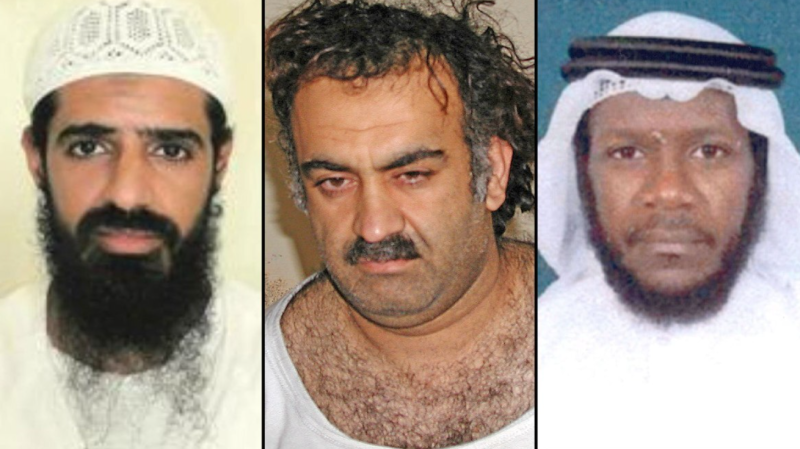
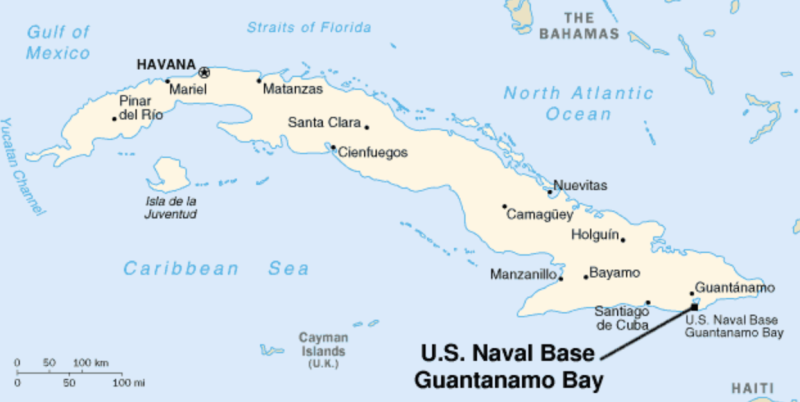
Khalid Sheikh Mohamed and two other defendants have been detained at the US military prison Guantanamo Bay, Cuba for almost two decades after they were accused of orchestrating the deadliest-ever attack on US soil.
On Monday, a military appeals court decided against attempts by the defence secretary, Lloyd Austin, to dismiss the plea agreements for the three individuals.
The three defendants reached plea deals with the Pentagon in late July. Austin cancelled the agreement in early August after outrage from families of nearly 3,000 victims and certain Republicans in Congress.
Pre-trial hearings for Mohammed, Walid bin Attash, and Mustafa al-Hawsawi have been ongoing for over 10 years. Much of pre-trial discussions has centred on the admissibility of evidence, particularly the potential impact of the torture inflicted on the men during their first years in CIA custody.
President Biden is set to leave office in roughly three weeks and has promised to shut down Guantanamo Bay — the same as Barack Obama before. Still, the notorious detention facility remains open and detains 26 prisoners.
Read Also: Algeria Releases 60 Moroccan Detainees After Serving Prison Terms
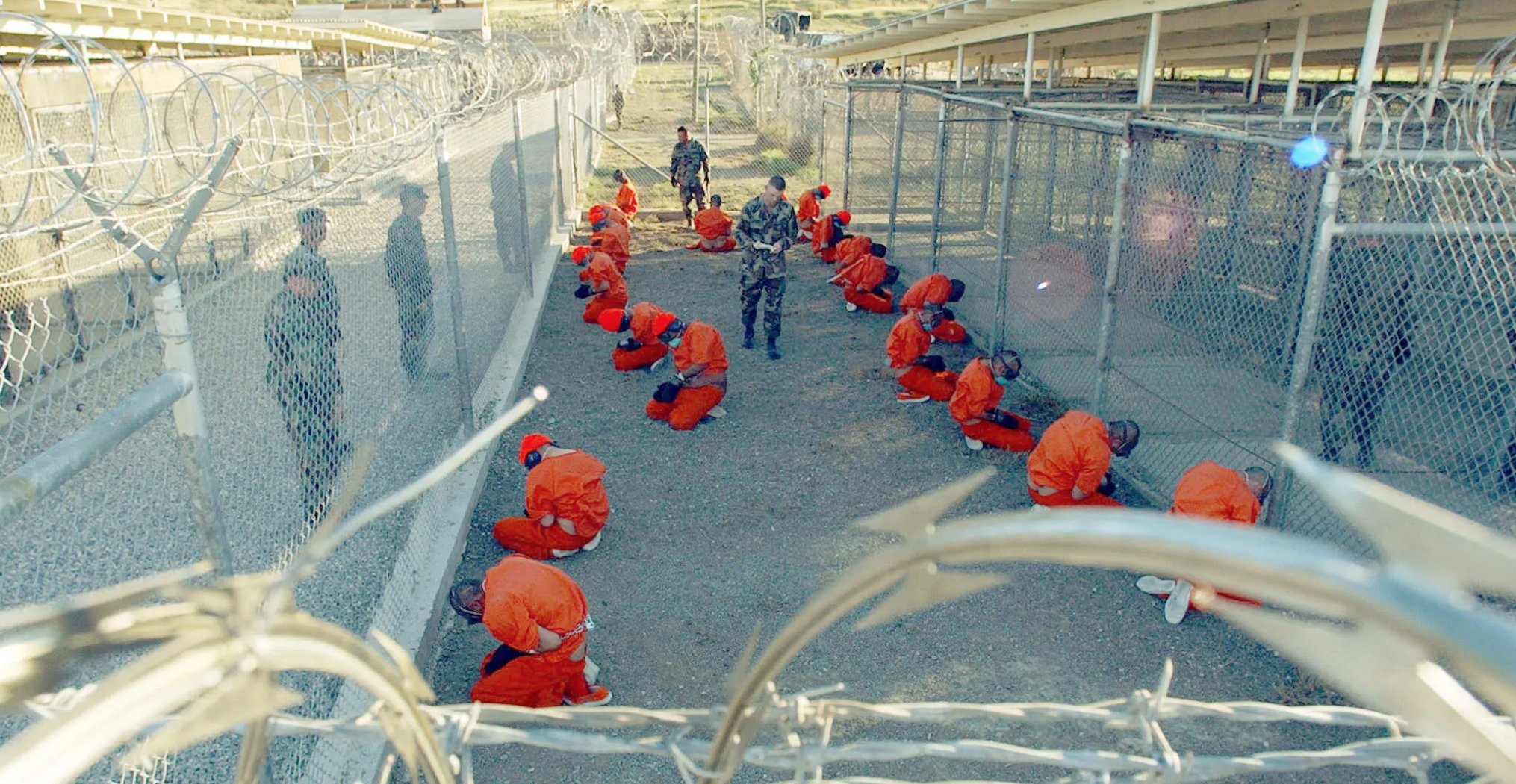
On Monday, the Pentagon repatriated a Tunisian detainee who had been held at the military prison on the day it opened on January 11, 2002. Ridah bin Saleh al-Yazidi, 59, was never charged with crimes at the war court and was cleared for transfer over 10 years ago.
He was captured in a well-known photo, blindfolded and kneeling on the ground at Guantanamo’s Camp X-Ray during one of the detention operations. He has spent years lingering in the Cuban facility due to the inability to arrange his repatriation or resettlement.
After the 9/11 attacks in 2001, the US government heightened security measures and launched efforts to prevent further terrorist acts.
More than 1,200 people were detained, mostly men of Middle Eastern, South Asian, and North African backgrounds in the months and years after the attacks. Many were held for immigration violations rather than direct links to terrorism.
Of those detained, only a small number were charged with terrorism-related crimes. Some were detained without charges while the government investigated their cases. By 2004, a report showed that most prisoners had been deported for visa violations, with no evidence linking them to terrorism.
The US also put in place a program called “Operation Enduring Freedom” that led to the detention of over 700 people at Guantanamo.
These individuals were mostly captured in Afghanistan or Pakistan. Many were held for years without trial, and fewer than 20 were eventually convicted of terrorism-related charges through military courts.