
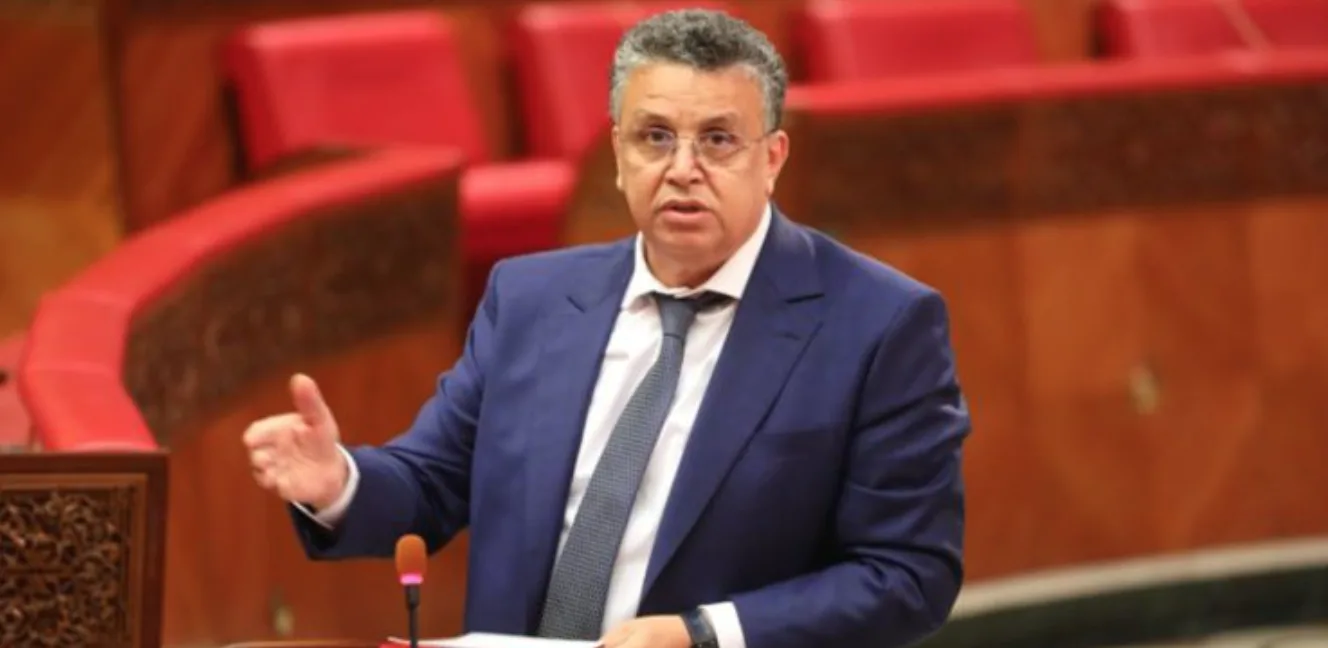
Rabat – Justice Minister Abdellatif Ouahbi stated that Morocco’s Code of Criminal Law is not an untouchable text, but rather a legal framework open to revision.
Speaking at a study session in the House of Representatives on Thursday, he noted that courts face ongoing challenges, particularly in implementing reforms and establishing a national DNA database.
Ouahbi dismissed the idea that amendments to the law stem from personal initiatives. Instead, he stressed that these changes always come from government decisions.
He acknowledged opposition to the current draft and pointed out that financial authorities, administrators, and security officials all express concerns. “Reaching consensus means making compromise,” he said.
One of the key debates centers on recording police interrogations. Some propose filming every stage of investigations, but strict penalties for leaking case files remain a sticking point, with potential sentences reaching 20 years.
Ouahbi questioned the feasibility of such measures. “Can we expect lawyers to take such risks? Even a two- or five-year sentence would be too much. How many police stations exist in every district? How many investigation units are there in each city? Who ensures continuous recording, and under what conditions?”
The minister has begun testing courtroom recordings in the Rabat Court of Assizes, with pleadings transcribed into written form. Ouahbi said authorities will assess the effectiveness of this system before considering wider implementation.
However, concerns persist over accuracy. “If the machine makes an error, who takes responsibility? If the transcript includes unintended content, what happens? If we assign a monitor, does that person have the authority to transform spoken words into official records?”
Ouahbi also addressed crime scene reenactments and asserted that suspects should not be forced into such procedures.
As part of the judiciary’s digitalization, courts are preparing specialized offices to handle electronic case files. These offices will include secure computers, accessible only to prosecutors, and linked to key state institutions and banks. Yet, court presidents have raised concerns about control over these systems.
On legal access to records, Ouahbi questioned whether lawyers should be entitled to request financial documents in cases like alimony disputes. The minister also touched on the proposed national DNA database, noting that officials have yet to decide whether it should fall under the Justice Ministry or law enforcement agencies. Also, data privacy concerns remain central to this debate.
Ouahbi concluded by acknowledging the complexities of reform. “Either I push these texts forward, leaving some gaps unresolved, or I step aside for someone else, not knowing whether they would succeed in passing them at all.”