
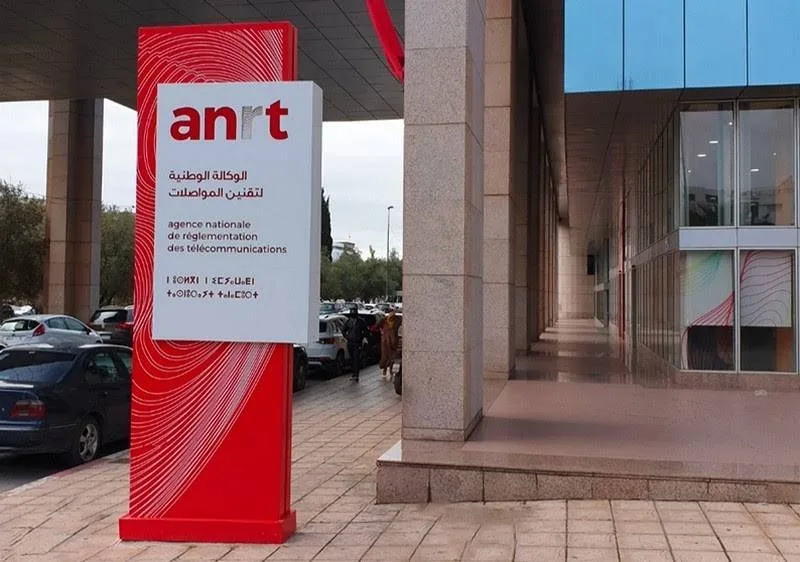
Doha – Morocco’s National Telecommunications Regulatory Agency (ANRT) issued a groundbreaking decision on March 4, requiring telecom operators to share their fiber optic infrastructure.
The decision, referenced as DG/05/2025, establishes new technical and pricing guidelines for infrastructure sharing among the country’s three major operators: Maroc Telecom, Orange, and Inwi.
Operators can function in two distinct capacities under the new framework: as Infrastructure Operators (IO) or Commercial Operators (CO).
Infrastructure Operators must lease their networks to competitors, while Commercial Operators can provide services using their competitors’ infrastructure, even in areas where they lack their own network coverage.
The regulation mandates Infrastructure Operators to ensure non-discriminatory access and publish their pricing structures, including after-sales services.
To streamline operations, the decision requires the implementation of web services to automate processes between Infrastructure and Commercial Operators, particularly for ordering and after-sales support.
This initiative aims to avoid the complications previously experienced with copper network (ADSL) sharing and accelerate fiber optic deployment across Morocco.
The decision shatters the decades-long current market dominance of Maroc Telecom, the historic operator.
This shift comes as Mohamed Benchaaboun takes the helm, succeeding Abdeslam Ahizoune, whose 27-year tenure was marred by allegations of anti-competitive practices and monopolistic control that hindered sectoral growth.
Read also: Morocco Speeds Up Technical Studies on Infrastructure to Prepare for World Cup 2030
Inwi has already taken the lead in implementing these changes, opening access to its FTTH (Fiber to the Home) infrastructure to competitors as of March 13. The other operators are expected to follow suit promptly.
The regulatory change aligns with Morocco’s Digital 2030 strategy, which targets increasing fiber-eligible households from 1.5 million in 2022 to 5.6 million by 2030.
Currently, fiber subscribers number less than one million. The initiative is backed by substantial investment plans totaling MAD 20 billion ($2 billion).
While current end-user pricing remains regulated by ANRT, industry sources indicate that gradual price reductions are anticipated as network coverage expands and infrastructure investments are optimized.
The sharing mechanism is designed to prevent redundant infrastructure investments in the same areas, allowing operators to focus on different zones while maintaining service availability through infrastructure sharing.
The decision also paves the way for the upcoming 5G network deployment, which requires robust fiber optic infrastructure. Industry observers expect 5G tender announcements during the upcoming GITEX Africa event in Marrakech next month.
As of February, all operators have published their new technical and pricing offers on their respective websites, complying with ANRT’s requirements.
The measure is expected to enhance competition, expand national coverage, and eventually lead to more competitive pricing for consumers while optimizing the substantial infrastructure investments planned for the sector.