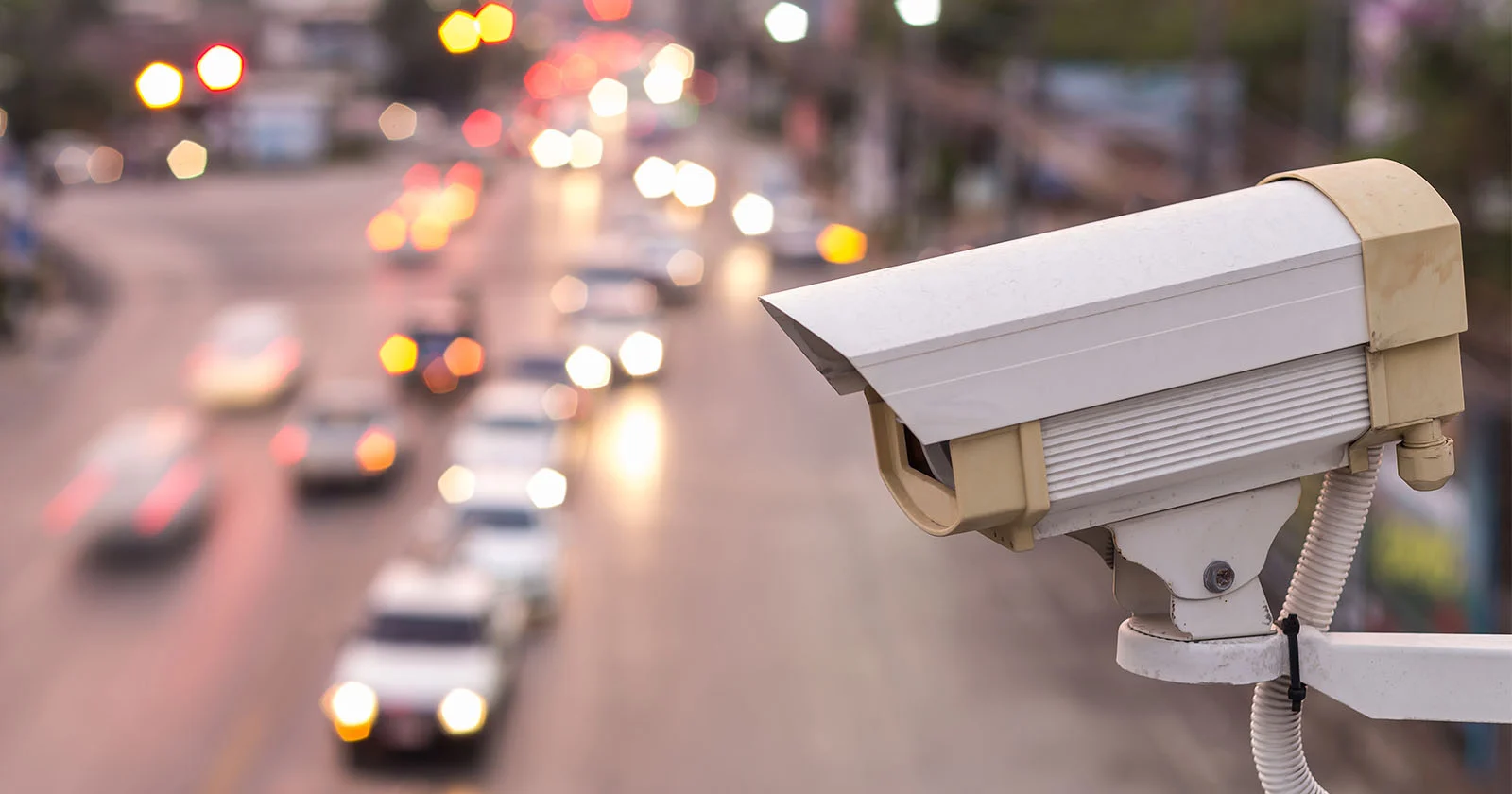
Rabat – Morocco’s National Commission for the Protection of Personal Data (CNDP) has announced plans to hold hearings to establish regulations that protect privacy in the use of video surveillance.
In a statement released on Friday, the CNDP explained that this initiative aims to ensure a unified interpretation of Law 09-08, which governs the protection of personal data.
The commission seeks to engage all stakeholders involved in video surveillance to establish clear guidelines and safeguards.
“The use of video surveillance is now a key issue, covering various aspects such as the protection of public and private spaces, the recording of events for research or security purposes, and risk prevention,” the statement noted.
The CNDP noted that approaches to video surveillance differ worldwide, depending on each country’s legal framework, cultural norms, and security needs.
For instance, the use of technologies like facial recognition in public spaces raises ongoing questions about necessity, acceptability, and risks to personal data protection, the data protection authority noted.
The commission noted the need for careful and balanced discussions that respect constitutional values, public interest, and citizens’ rights. It called for a thoughtful approach to integrating new surveillance technologies while safeguarding privacy.
CNDP’s statement comes after reports suggested that Rabat is set to install 4,000 AI-powered cameras with facial recognition capabilities by the end of 2025. The project aims to enhance security, especially ahead of major events like the 2025 Africa Cup of Nations and the 2030 World Cup.
The new system is set to include advanced cameras, automatic license plate recognition, and AI to monitor behavior patterns in real-time.
However, the project, especially the use of facial recognition technology, has raised concerns about mass surveillance and the ability to track individuals without their consent. Many worry that this technology could be used to monitor everyday activities and potentially violate citizens’ privacy in public spaces.