
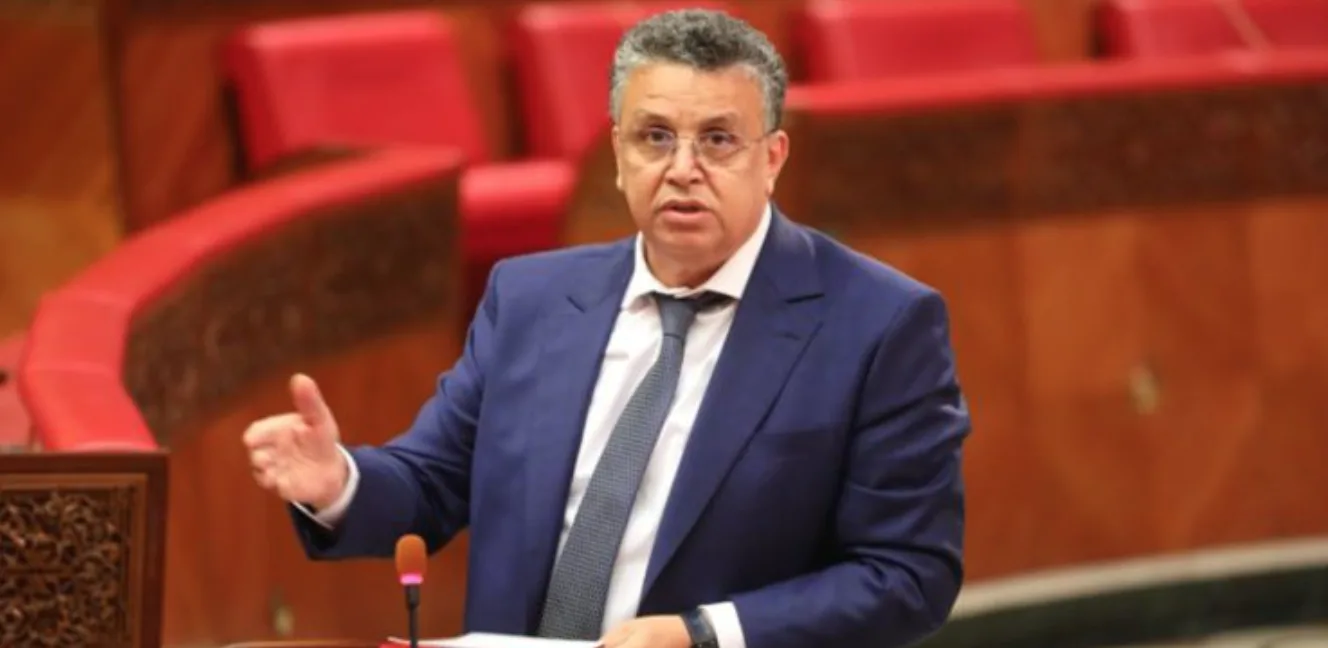
Rabat – Justice Minister Abdellatif Ouahbi urged Moroccan institutions on Wednesday to work more closely together to ensure the country’s new alternative sentencing law achieves its full impact.
His call came during a national conference in Rabat focused on the practical implementation of Law No. 43.22, which introduces non-custodial penalties into the Moroccan justice system.
Ouahbi described the law as a turning point in the country’s approach to criminal justice.
Rather than relying solely on prison terms, the law opens the door to penalties that aim to rehabilitate rather than punish.
He made it clear that this shift requires more than just legislation; it demands coordinated action across the judicial system.
“The judge has full authority to decide when and how to apply these sentences,” Ouahbi said, speaking to an audience of legal professionals and policymakers. “But for this to work, we need solid structures, detailed reports on offenders’ circumstances, and above all, the will to make the system more humane.”
He drew from global practices to underline the importance of flexibility, warning against bureaucratic resistance due to limited resources. “We can’t let a lack of equipment or staff prevent us from doing what’s right,” he added.
Law 43.22 reflects Morocco’s efforts to modernize its justice system. It supports the reintegration of offenders, aims to reduce pressure on overcrowded prisons, and seeks to curb public spending.
The law applies only to offenses with sentences under five years and excludes repeat offenders where deterrence remains a key concern.
Alternative sentences under the law fall into four categories: unpaid community work, electronic surveillance, restricted rights or corrective measures, and financial penalties based on income.
The conference featured two in-depth sessions, one focused on the legal framework of alternative sentencing, and the other on the challenges of turning that framework into everyday practice.